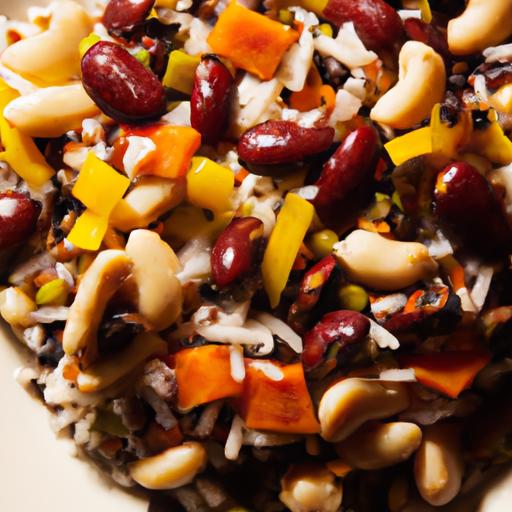



Beneath the swaying palms and golden sun of Tanzania’s coastal paradise lies a hidden gem frequently enough overshadowed by its more famous tropical cousins-the Tanzanian coconut bean. This remarkable seed, nurtured by the island breeze and enriched volcanic soils, embodies a rich tapestry of culture, flavor, and lasting bounty. As nature’s tropical treasure unveiled, the Tanzanian coconut bean invites us to explore its vibrant history, unique cultivation, and promising role in global cuisine and economy. Join us on a journey through lush plantations and time-honored traditions to discover why this humble bean is capturing the world’s attention, one cracking shell at a time.
Tanzanian Coconut Beans: Nature’s Tropical Treasure Unveiled
Tanzanian Coconut Beans are an exceptional ingredient that embodies the lush, tropical essence of East Africa’s vibrant landscapes. These unique beans, nurtured in sun-drenched plantations amid coastal palms, bring a distinct creamy texture and subtly sweet flavor, making them a culinary gem. My first encounter with Tanzanian Coconut beans was during a coastal food festival in Dar es Salaam, where their rich taste and versatility instantly inspired me to explore their multifaceted applications in both customary and modern dishes.
Prep and Cook Time
- Readiness: 15 minutes
- Cooking: 45 minutes
- Total Time: 1 hour
Yield
Serves 4-perfect for a vibrant family meal or an elegant tropical feast.
Difficulty Level
Medium – accessible for confident home cooks eager to explore new tropical ingredients.
Ingredients
- 1 cup Tanzanian Coconut Beans, soaked overnight
- 3 cups water (for cooking beans)
- 1 tbsp coconut oil
- 1 medium onion, finely chopped
- 2 cloves garlic, minced
- 1 tsp fresh ginger, grated
- 1 medium tomato, diced
- 1 small red chili, deseeded and finely chopped (optional)
- ½ tsp turmeric powder
- 1 tsp smoked paprika
- Salt and freshly ground black pepper to taste
- Fresh coriander, for garnish
- 1 lime, juiced
- 1 cup coconut milk
Instructions
- Drain the soaked Tanzanian Coconut Beans and rinse under cool water.
- In a large pot, add beans and 3 cups fresh water. Bring to a boil, then reduce to a simmer. Cook covered for about 35-40 minutes until tender but not mushy. Drain and set aside.
- Meanwhile,heat 1 tbsp coconut oil in a deep skillet over medium heat. Add the chopped onion and sauté until translucent, about 5 minutes.
- Stir in minced garlic and grated ginger; cook for another 2 minutes until fragrant,stirring frequently to prevent burning.
- Add diced tomato and red chili, cooking until the tomatoes soften, approximately 5 minutes.
- Sprinkle in turmeric and smoked paprika; stir to coat the aromatics evenly.
- Pour in the cooked beans and 1 cup coconut milk. Mix gently, then simmer on low for 10-12 minutes, stirring occasionally. The sauce should thicken to a creamy consistency.
- Season with salt, freshly ground black pepper, and lime juice to balance the flavors.
- Remove from heat and garnish generously with fresh coriander.
Tips for Success
- Soaking the beans overnight is key to achieving the perfect tenderness and reducing cooking time.
- For a spicier kick, add extra chili or a pinch of cayenne powder in step 6.
- Substitute coconut milk with almond milk for a lighter version, though the creamy richness may slightly vary.
- Leftovers make an excellent protein-packed spread for toast or wraps-simply mash with a fork and add a squeeze of lime.
- To save time, consider pressure cooking the beans for 20 minutes under high pressure.
serving Suggestions
Serve this luscious Tanzanian Coconut Beans dish over steamed jasmine rice or alongside freshly baked flatbreads for a soul-satisfying tropical meal.Garnished with crunchy toasted coconut flakes and a wedge of lime, it creates a gorgeous balance of creamy, zesty, and earthy notes.

Nutritional Details (per serving)
| Calories | Protein | Carbohydrates | Fat |
|---|---|---|---|
| 320 kcal | 18 g | 35 g | 9 g |
for a deeper dive into the nutritional benefits and sustainable farming of these remarkable beans, visit FAO’s official resource on tropical crops.
Explore more recipes that highlight Tanzanian flavors and sustainable ingredients in our Tanzanian Cuisine Essentials series.
Q&A
Q&A: Tanzanian Coconut Beans – Nature’s Tropical Treasure Unveiled
Q1: What exactly are Tanzanian Coconut Beans?
A1: Tanzanian Coconut Beans are a unique legume variety native to the coastal regions of Tanzania. Despite their intriguing name, they are not beans in the traditional sense but rather seeds from a special tropical plant that thrives under the swaying palms and warm ocean breezes. They boast a creamy texture and a subtly sweet, nutty flavor reminiscent of coconut-so their captivating moniker.
Q2: Why are they called “Coconut Beans”?
A2: The name “Coconut Beans” originates from their distinct taste and aroma, which bear a gentle coconut-like essence. While they’re unrelated to coconuts botanically, their flavor profile and creamy, smooth texture have earned them this poetic title among locals and food enthusiasts alike.
Q3: What makes Tanzanian Coconut beans a “tropical treasure”?
A3: These beans are a tropical treasure because they encapsulate the richness of Tanzania’s coastal biodiversity in each pod. Nutrient-dense and versatile, they are packed with proteins, healthy fats, and fibers-providing a powerhouse of nutrition wrapped in a naturally sweet shell. Their ability to grow in sandy coastal soils resistant to harsh weather also showcases nature’s resilience and biodiversity.Q4: How are Tanzanian Coconut Beans traditionally used?
A4: Traditionally, Tanzanian communities roast or boil these beans, transforming them into hearty snacks or fragrant, comforting dishes. They are often incorporated into stews, ground into pastes, or even fermented into local delicacies. The beans are also enjoyed raw or lightly toasted to enhance their natural coconut flavor-a true culinary delight born from the tropics.
Q5: Can Tanzanian Coconut Beans be used in modern cuisine?
A5: absolutely! Their creamy, subtly sweet flavor makes them a versatile ingredient for all kinds of innovative dishes-think coconut-infused hummus, plant-based desserts, or even tropical-inspired coffee blends. Chefs and food artisans are increasingly experimenting with these beans to create fusion dishes that celebrate both tradition and modern gastronomy.Q6: Are there any health benefits to including Tanzanian Coconut Beans in one’s diet?
A6: Yes, these beans are nutritional powerhouses. Rich in plant-based protein,essential fatty acids,minerals like magnesium and potassium,and dietary fiber,they support heart health,aid digestion,and provide sustained energy. Their unique fat profile mimics that of coconut oil, offering a natural boost for brain and skin health.
Q7: Where can one find Tanzanian Coconut Beans outside Tanzania?
A7: While they remain a rare gem globally,Tanzanian Coconut Beans are slowly making their way into specialty markets,health food stores,and boutique spice shops around the world. With growing interest in exotic superfoods and sustainable farming, availability is expected to grow-bringing a slice of Tanzania’s tropical coastal magic to your kitchen.
Q8: How can gardeners or farmers cultivate Tanzanian Coconut Beans?
A8: Cultivating Tanzanian Coconut Beans requires a warm, humid climate similar to Tanzania’s coastal regions. They flourish in sandy, well-drained soils with plenty of sunlight and moderate rainfall. Farmers often interplant these beans with coconut palms or other tropical crops, creating harmonious agroforestry systems that protect the land while yielding bountiful harvests.
Q9: Why should food lovers pay attention to Tanzanian Coconut Beans?
A9: Food lovers should embrace Tanzanian coconut Beans as they offer a rare sensory adventure-melding tropical sweetness with nutritious substance. they tell a story of place, culture, and sustainable living, inviting us to explore and savor the rich tapestry of global flavors. in every bite, you taste not just food, but nature’s art and heritage preserved.
Q10: How does the story of Tanzanian Coconut Beans reflect broader themes in food and culture?
A10: The journey of Tanzanian Coconut Beans mirrors the growing global thankfulness for indigenous crops and traditional knowledge. It highlights the importance of biodiversity, sustainability, and cultural identity in our modern food systems. By celebrating such hidden gems, we honor the wisdom of communities who have nurtured these plants for generations, reminding us that true treasure often grows quietly in the heart of nature’s bounty.
Closing Remarks
As we close the chapter on the enchanting world of tanzanian coconut beans, it becomes clear that these humble pods are much more than mere tropical curiosities. They embody the rich biodiversity and cultural heritage of Tanzania’s coastal landscapes, offering a unique blend of flavor, nutrition, and ecological value. From the sun-soaked plantations to your table, coconut beans stand as a testament to nature’s ability to surprise and sustain us in equal measure.Embracing this tropical treasure not only invites us to savor a distinct taste but also to appreciate the intricate web of life that makes such bounty possible. In unveiling the story of Tanzanian coconut beans, we are reminded that sometimes, the greatest wonders lie hidden in the simplest of seeds-waiting patiently to transform our palate and our perspective.