

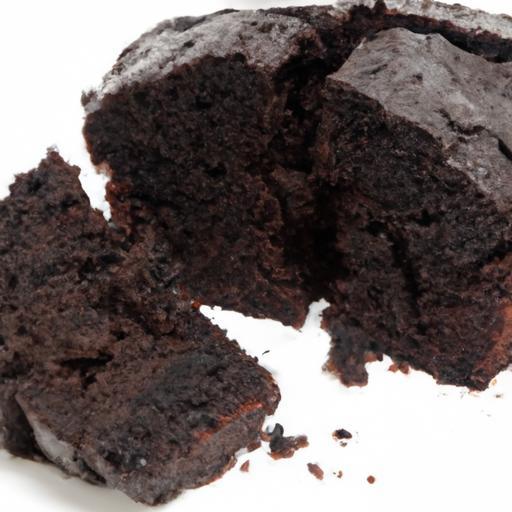
Steeped in centuries of tradition and bursting with vibrant flavors, Caribbean Black Cake is much more than a dessert-it’s a rich tapestry of history, culture, and party. Often hailed as the crown jewel of Caribbean festivities,this deeply fragrant cake tells a story that spans generations and continents,blending the legacy of colonial trade,family rituals,and the islanders’ irresistible sweetness for life. In every bite, the complex medley of soaked dried fruits, spiced rum, and caramelized sugar reveals a flavorful journey that has become synonymous with holidays, weddings, and joyous gatherings across the Caribbean. Join us as we explore the captivating origins and sensory delights of Caribbean Black Cake, uncovering why it remains a beloved symbol of resilience and festivity throughout the region.
Caribbean Black Cake holds a treasured place in the heart of many, a culinary gem that embodies the rich history and flavors of Caribbean Black Cake traditions. This dense, deeply spiced fruitcake carries stories of ancestral resilience, festive celebrations, and generations gathered around a shared love for its incomparable taste and texture.
Prep and Cook Time
- Prep Time: 30 minutes (plus 24 hours soaking time for fruits)
- Cook Time: 2 hours
Yield
- Makes 1 large 9-inch cake, serves 12-14 people
Difficulty Level
- Medium – requires advance preparation but straightforward steps
Traditional Ingredients That Define Its Unique Flavor
- 2 cups mixed dried fruits (raisins, currants, prunes, cherries)
- 1 cup dark rum (aged for depth)
- 1 cup red wine
- 1 cup brown sugar (packed)
- 2 cups all-purpose flour, sifted
- 1 tsp baking powder
- 1/2 tsp ground cinnamon
- 1/2 tsp ground nutmeg
- 1/4 tsp ground cloves
- 1/4 tsp salt
- 1 cup unsalted butter, softened
- 4 large eggs
- 1 tsp vanilla extract
- Zest of 1 orange and 1 lemon
- 1/2 cup molasses
- 1/4 cup cherry brandy (optional)
Step-by-Step Guide to Perfecting Your Homemade Black Cake
- Prepare the Fruit Soak: In a large glass jar or bowl, combine the mixed dried fruits, dark rum, red wine, and cherry brandy if using.Cover tightly and store in a cool place, stirring occasionally. Let soak for at least 24 hours or up to one week for maximum flavor infusion.
- Preheat your oven to 275°F (135°C). Grease and flour a 9-inch round cake pan, then line the base with parchment paper for easy removal.
- Sift together the flour, baking powder, cinnamon, nutmeg, cloves, and salt in a medium bowl. Set aside.
- Cream the butter and brown sugar in a large mixing bowl until light and fluffy, about 3-5 minutes using an electric mixer.
- Add the eggs one at a time, beating well after each addition to prevent curdling.
- Mix in the molasses, vanilla extract, and citrus zest, blending until fully incorporated.
- Slowly fold the sifted dry ingredients into the butter mixture, alternating with spoonfuls of the soaked fruit (including any remaining liquid) to keep the batter moist and flavorful.
- Pour the batter into the prepared cake pan and smooth the top with a spatula.
- Bake the cake for approximately 2 hours, checking after 90 minutes by inserting a skewer into the center; it should come out clean but moist. If browning too quickly, tent with foil.
- Allow the cake to cool in the pan for 20 minutes before transferring to a wire rack to cool completely.
- Optional – Aging: For the signature moistness and intensified flavor, wrap the cooled cake tightly in plastic wrap and store in an airtight container. Brush with additional rum every 3 days for 2-3 weeks before serving.
Chef’s Notes
- Fruit Soaking: Using quality aged rum creates that authentic, deep caramel flavor characteristic of Caribbean Black Cake.
- Molasses Substitute: For a lighter touch, dark corn syrup can be used, but molasses offers the best richness.
- Baking Tips: Low-and-slow baking prevents cracks and ensures even cooking thru the dense batter.
- Make-Ahead: This cake actually improves with time-don’t be tempted to eat it fresh! The aging process softens the crumb and melds the spices beautifully.
- Allergy Adaptation: For nut allergies, omit nuts or replace with toasted seeds.
Pairing suggestions and Serving tips for Every Occasion
Caribbean Black Cake is the perfect centerpiece for holidays, weddings, or anytime you want to treat yourself to a slice of Caribbean heritage. Serve it with a dollop of lightly whipped cream or a scoop of vanilla bean ice cream to balance the rich spice and fruit flavors.
For a sophisticated dessert platter,complement with tropical fruit slices such as mango or pineapple and a drizzle of rum caramel sauce. Hot spiced tea or dark coffee pairs wonderfully alongside,enhancing the warm,comforting aroma.
To impress guests, garnish with edible gold leaf or dust with pulverized nutmeg, infusing both elegance and tradition in each bite.

| Nutritional Facts (per serving) | Calories | Protein | Carbs | Fat |
|---|---|---|---|---|
| Black Cake Slice (approx. 120g) | 350 kcal | 4 g | 50 g | 12 g |
For a deeper dive into other Caribbean fruitcake recipes, explore our related recipes section.
Past context and authenticity references can be further explored through the Encyclopedia Britannica’s fruitcake overview, an authoritative resource.
Q&A
Q&A: The Rich history and Flavors of Caribbean Black Cake
Q: What exactly is Caribbean Black Cake?
A: Caribbean Black Cake, often dubbed the “King of Cakes,” is a dense, moist, and richly spiced fruitcake soaked in rum or wine. It features a deep, dark color achieved by caramelizing sugar, giving it a distinct flavor that’s both complex and wonderfully intense. This beloved dessert is a centerpiece at festive occasions across the Caribbean, especially during Christmas and weddings.
Q: Where did caribbean Black Cake originate?
A: The roots of Caribbean Black Cake trace back to british colonial times when the traditional English plum pudding and fruitcake recipes merged with African, Indian, and indigenous Caribbean influences. Enslaved Africans and settlers adapted these recipes using local fruits,rum,and spices,creating a unique blend that reflects the islands’ rich cultural tapestry.
Q: What makes Caribbean Black Cake diffrent from other fruitcakes?
A: Unlike typical fruitcakes that often appear pale and cakey, Caribbean Black Cake boasts a vibrant, almost ebony hue from burnt sugar syrup called “browning.” Its remarkable depth of flavor comes from soaking dried fruits-like raisins, prunes, and cherries-in rum or wine for months or even years before baking, resulting in a moist, intensely flavored dessert.
Q: What fruits and spices are commonly used in Caribbean Black Cake?
A: The cake is a treasure trove of dried fruits such as prunes, raisins, currants, cherries, and sometimes even figs or apricots. Spices like cinnamon,nutmeg,cloves,and allspice infuse the batter with warmth and complexity.each island, and often each family, boasts its own signature blend, adding to the cake’s enchanting diversity.
Q: How is Caribbean Black Cake traditionally prepared?
A: Preparation is a labor of love! First, the dried fruits are soaked for weeks or months in rum or wine, sometimes with a splash added periodically as they age. On baking day, caramelized sugar is carefully prepared to achieve that signature dark color. The moistened fruits are then folded into a spiced batter, which is baked low and slow until luscious and dense.
Q: Why is rum such an essential ingredient in Caribbean Black cake?
A: Rum is not just a flavor enhancer; it’s a cultural symbol.Distilled from sugarcane, a crop central to caribbean history, rum imparts a distinctive warmth and complexity. It also acts as a preservative, allowing the cake to age gracefully, developing deeper flavors over time. Sharing Black Cake is like passing down a legacy steeped in history and celebration.
Q: When is Caribbean Black Cake traditionally enjoyed?
A: While it’s a festive star during Christmas and New Year’s celebrations, Caribbean Black Cake also graces weddings, birthdays, and other special occasions. Its richness and symbolism make it more than just a dessert-it’s a sweet emblem of unity, heritage, and joyous gatherings.
Q: Can Caribbean Black Cake be enjoyed fresh, or does it need aging?
A: Though some enjoy it fresh from the oven, the magic truly happens as it ages. Wrapped tightly and stored in a cool place, the flavors meld and intensify over weeks or months. Many Caribbean families proudly save portions to share from one year’s holiday to the next.
Q: How has Caribbean Black Cake influenced modern baking and cuisine?
A: The cake inspires chefs worldwide, leading to innovative takes that still honor its roots-think Black Cake-flavored ice creams, cocktails, and even pastries. It stands as a delicious testament to the Caribbean’s vibrant history, resilience, and creativity, inviting everyone to taste a slice of cultural heritage.
Q: Where can someone outside the Caribbean experience authentic Black Cake?
A: Caribbean communities across the globe-London, Toronto, New York-often bake and sell Black Cake during the holiday season. Specialty Caribbean bakeries and online shops also offer authentic versions. For the adventurous, numerous recipes allow home bakers to create their own rich, flavorsome Black Cake and bring a piece of Caribbean tradition to their table.
In Summary
From festive family gatherings to solemn celebrations, Caribbean Black Cake stands as a delicious testament to centuries of tradition, culture, and culinary artistry. Each bite tells a story-a rich tapestry woven with the warmth of Caribbean spices, the sweet depth of aged rum, and the patience of careful preparation passed down through generations. More than just a dessert, this cake is an edible archive of history, resilience, and joyous heritage. So the next time you savor a slice, remember you’re tasting a legacy that has transcended time and borders, inviting you to be part of its ongoing, flavorful journey.