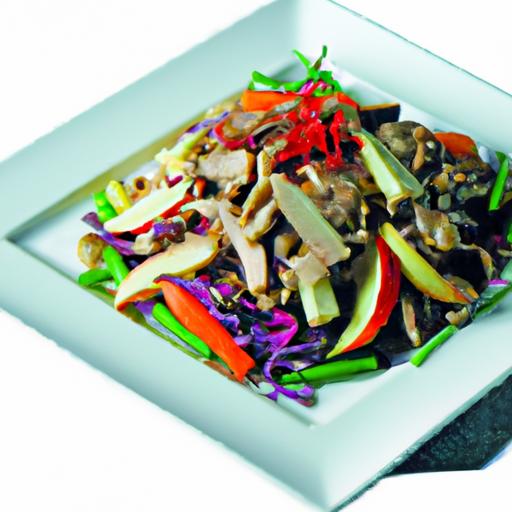


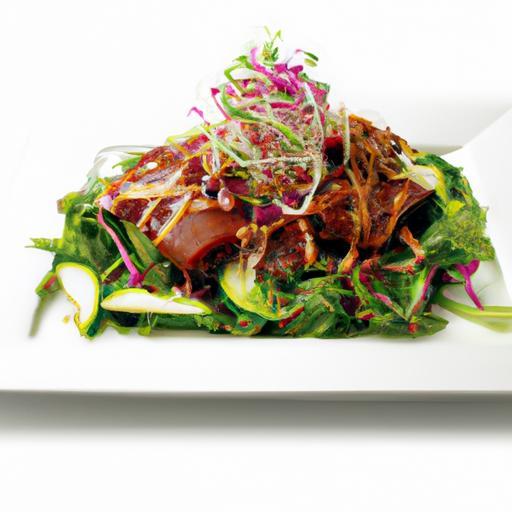
Bursting with vibrant colors and a symphony of flavors, Gado Gado Salad stands as a beloved culinary treasure from teh heart of Indonesia. More than just a salad, its a flavorful feast that brings together an artful blend of fresh vegetables, boiled eggs, tofu, and tempeh, all lovingly draped in a luscious peanut sauce that tingles the taste buds with every bite. This iconic dish not only reflects Indonesia’s rich cultural tapestry but also offers a wholesome, satisfying experience that appeals to both locals and food lovers worldwide. Join us as we explore the origins, ingredients, and irresistible charm of Gado Gado – a colorful celebration on a plate.
Gado Gado salad: indonesia’s Colorful, Flavor-Packed Feast
Gado Gado Salad stands as a vibrant celebration of Indonesian cuisine, a dish teeming with fresh vegetables, boiled eggs, and tofu, all lovingly smothered in a rich and savory peanut sauce. This beloved salad is not only a staple of street food vendors but also a heartwarming reminder of Indonesia’s cultural mosaic, where diverse influences meet in one bowl.
Prep and Cook Time
- Preparation: 20 minutes
- Cooking: 15 minutes
- Total: 35 minutes
Yield
Serves 4 generous portions
Difficulty Level
easy to Medium – approachable even for those new to Indonesian flavors
Origins and Cultural Importance of Gado Gado in indonesian Cuisine
ofen called the “Indonesian salad,” the term “gado gado” roughly translates to “mix-mix,” perfectly describing the dish’s character – a harmonious blend of textures and tastes. Originating from Java, this salad embodies the resourcefulness of Indonesian home cooks, who transformed simple boiled vegetables into a festival of flavors through the magic of peanut sauce. Beyond being a delicious meal, gado gado is deeply tied to local traditions, signifying a balance of health and indulgence, and is commonly enjoyed during family gatherings, festivals, and as daily nourishment. Its combination of fresh produce with protein and peanut sauce symbolizes sustenance and celebration.
Essential Ingredients That Bring Gado Gado to Life
- Vegetables: crisp green beans (100g), tender boiled potatoes (2 medium), cabbage wedges (1 cup), blanched bean sprouts (1/2 cup), fresh cucumber slices (1 cup)
- Proteins: firm tofu cubes (200g), hard-boiled eggs (3), tempeh (optional, 100g)
- Peanut sauce Components: roasted peanuts (3/4 cup), palm sugar (2 tbsp), tamarind paste (1 tbsp), garlic cloves (3), red chili (1-2, optional for heat), kaffir lime leaves (2, finely shredded), salt (to taste), water (as needed to adjust consistency)
- Additional: fried shallots (for garnish), lime wedges, kerupuk (Indonesian crackers) for crunch
Step-by-Step Guide to Crafting the Perfect Peanut sauce
- Roast the peanuts in a dry pan on medium heat until golden and aromatic, about 5 minutes. Allow to cool slightly.
- Grinding: Using a mortar and pestle or food processor, grind the roasted peanuts to a coarse paste. Avoid over-processing for texture.
- Sauté aromatics: In a small pan, gently fry minced garlic, sliced red chili, and shredded kaffir lime leaves in a tablespoon of oil until fragrant.
- Combine ingredients: Add the peanut paste to the pan, stir in palm sugar, tamarind paste, and salt. Gradually add warm water while stirring to achieve a thick but pourable consistency.
- Simmer: Cook over low heat for 3-4 minutes, stirring continuously to blend flavors. Adjust salt or sugar to balance sweetness and tang.
Tips for Customizing Your Gado Gado for Every palate
Whether you prefer it spicy, mild, vegan, or protein-packed, gado gado is wonderfully adaptable. For a fiery kick, increase the red chili or top with sambal (Indonesian chili paste). To make it vegan, omit eggs and replace shrimp crackers with crispy fried tempeh chips.If you enjoy a creamier sauce, swirl in a bit of coconut milk while simmering the peanut sauce. Feel free to substitute vegetables based on seasonal availability – carrots, baby corn, and spinach all pair beautifully. For those avoiding gluten, simply skip the kerupuk or choose gluten-free versions. The key is balancing fresh, boiled, and fried textures to keep every bite exciting.
Ingredients
- Vegetables: 100g green beans, trimmed and blanched
- 2 medium potatoes, peeled and boiled, cut into chunks
- 1 cup cabbage wedges, lightly steamed
- 1/2 cup bean sprouts, blanched
- 1 cup cucumber slices
- Protein and extras: 200g firm tofu, fried until golden
- 3 hard-boiled eggs, peeled and halved
- Optional: 100g tempeh, diced and fried
- Peanut sauce: 3/4 cup roasted peanuts
- 2 tbsp palm sugar
- 1 tbsp tamarind paste
- 3 cloves garlic, minced
- 1-2 red chilies, sliced (optional)
- 2 kaffir lime leaves, finely shredded
- Salt, to taste
- Water, as needed
- Garnish: fried shallots, kerupuk, lime wedges
Instructions
- Prepare vegetables: Boil potatoes until tender but firm, steam cabbage wedges and bean sprouts, blanch green beans and cucumber slices briefly; set aside to cool.
- Cook proteins: Fry tofu and tempeh cubes in hot oil until golden and crispy; drain on paper towels.
- Make peanut sauce: follow the guide above-roast, grind, sauté, and simmer to develop the rich sauce.
- Assemble salad: On a large serving platter, arrange vegetables and proteins decoratively, layering colors and textures.
- Dress: Generously drizzle the warm peanut sauce over the entire salad, ensuring every ingredient is cloaked with flavor.
- Garnish and serve: Sprinkle fried shallots and place lime wedges around the edge. Serve with kerupuk for a delightful crunch.
Chef’s Notes: Tips for Success
- For authentic flavor, seek out palm sugar at Asian markets,or substitute with light brown sugar in a pinch.
- Toast peanuts carefully to avoid burning-burnt peanuts yield bitterness rather than nutty warmth.
- Keep sauce texture a balance between thick and pourable; you want it to coat but not drown the salad.
- Make-ahead tip: Prepare peanut sauce a day in advance for deeper flavor; refrigerate and reheat gently.
- Introduce crunch with freshly fried kerupuk or substitute with roasted peanuts for a similar textural profile.
Serving Suggestions
Serve Gado Gado Salad as a satisfying lunch or vibrant dinner centerpiece. Pair with steamed jasmine rice or Indonesian-inspired fried rice for a complete meal. For an elegant touch, plate in individual bowls and garnish with fresh lime wedges, chopped cilantro, and extra chili slices. don’t forget an iced jasmine tea or coconut water to balance the dish’s richness and spice.
| Nutrient | Per serving |
|---|---|
| Calories | 420 kcal |
| Protein | 18 g |
| Carbohydrates | 35 g |
| Fat | 22 g |

Looking to explore more classic Indonesian dishes? Dive into our Authentic Indonesian Recipes for a flavorful journey that will delight your palate.
Q&A
Q&A: Gado Gado Salad – Indonesia’s Colorful, Flavor-Packed Feast
Q1: What exactly is Gado Gado?
A1: Gado gado is an iconic Indonesian salad that’s as vibrant in color as it is rich in flavors. It’s essentially a medley of boiled or blanched vegetables, tofu, tempeh, hard-boiled eggs, and sometimes lontong (rice cakes), all generously drizzled with a creamy, spicy peanut sauce. Think of it as a flavor-packed feast that brings together freshness, texture, and boldness in every bite.
Q2: Where does the name “Gado Gado” come from?
A2: The phrase “Gado Gado” roughly translates to “mix-mix” or “to mix” in Indonesian slang. It perfectly describes the dish’s essence-a harmonious jumble of ingredients tossed together. This name highlights the salad’s playful nature as a blend of whatever fresh vegetables and proteins are available, united by that signature peanut dressing.
Q3: What makes the peanut sauce so special?
A3: The peanut sauce is the heart and soul of Gado Gado. Made from ground roasted peanuts combined with palm sugar,tamarind,chili,garlic,and sometimes a splash of lime or coconut milk,it delivers a luscious,creamy texture with a perfect balance of sweet,savory,spicy,and tangy notes. This sauce elevates humble ingredients into a symphony of flavor.
Q4: Which vegetables and proteins are typically used in Gado Gado?
A4: Common veggies include blanched spinach, cabbage, bean sprouts, green beans, cucumber, and boiled potatoes. Proteins such as firm tofu and tempeh add substance and nuttiness, while slices of hard-boiled egg introduce richness. Some variations add lontong or krupuk (crispy crackers) for extra texture.
Q5: Is Gado Gado a healthy dish?
A5: Absolutely! Gado Gado is packed with nutrient-dense vegetables offering fiber, vitamins, and minerals. The peanut sauce provides plant-based protein and healthy fats. plus, it’s a versatile dish-easy to customize with seasonal veggies or plant-based proteins for dietary preferences. Just watch the portion of sauce if you’re mindful of calories.
Q6: How is Gado Gado traditionally served?
A6: Traditionally, Gado Gado is served at room temperature or slightly warm. The components are arranged beautifully on a plate or woven banana leaf, taco-style, then lavishly coated with that divine peanut sauce. A sprinkle of crunchy fried shallots or a few crackers on top adds welcome crunch, turning it into an inviting, colorful feast.
Q7: Can Gado Gado be adapted for a modern or fusion twist?
A7: Definitely! While staying true to its Indonesian roots, chefs often experiment by incorporating grilled vegetables, adding a hint of lime zest, or even blending the peanut sauce with different nuts like cashews for a smoother finish. It’s a versatile dish that welcomes creativity while maintaining its authentic soul.
Q8: Why is Gado Gado considered a symbol of Indonesian culinary culture?
A8: Gado gado beautifully captures the essence of Indonesian cuisine-diverse,vibrant,and communal. It brings together various local ingredients from across the archipelago,showcasing the nation’s agricultural bounty. More than just food, it’s a celebration of unity and flavor, embodying Indonesia’s spirit in every colorful bite.
Q9: Where can one try authentic Gado Gado outside Indonesia?
A9: Many Indonesian restaurants globally serve Gado Gado, often prepared by chefs from Indonesia who carry forward traditional recipes. Additionally, Southeast Asian markets and street food festivals frequently feature this salad.For the adventurous, making it at home is quite achievable and incredibly rewarding!
Q10: What’s the best way to enjoy Gado Gado at home?
A10: Embrace the adventure! Start by steaming or blanching fresh vegetables, pan-frying tofu and tempeh, and hard-boiling some eggs. Whip up your homemade peanut sauce-balancing sweet, spicy, and tangy flavors to your liking. Then, assemble with love and get ready for an explosion of colors, textures, and tastes that bring a slice of Indonesia right to your table.
In Summary
As vibrant and diverse as Indonesia itself, Gado Gado is more than just a salad-it’s a celebration of culture, flavor, and tradition tossed into one colorful bowl. Every bite tells a story of fresh, crunchy vegetables mingling with rich, creamy peanut sauce, creating a harmony that’s both comforting and exhilarating. Whether enjoyed at a bustling street market or recreated in your own kitchen, gado Gado invites you to savor the essence of Indonesian cuisine-bold, balanced, and beautifully layered. So next time you crave a feast that delights the eyes as much as the palate, remember this beloved salad, where the colors of the archipelago come alive in every forkful.