

Haitian Epis: The Best Flavorful Essence of Caribbean Cuisine
Nestled in the heart of the Caribbean, the culinary traditions of Haiti boast a vibrant tapestry woven from history, culture, and the bountiful gifts of nature. Among the many treasures that define this island’s gastronomic landscape, Haitian epis stands out as a fragrant, versatile marinade and seasoning blend that captures the essence of haitian cooking.A harmonious symphony of fresh herbs, spices, and aromatics, epis transcends mere seasoning; it embodies the spirit of Haitian hospitality and resilience. This article delves into the rich history and planning of epis, exploring how this potent blend adds depth and character to everyday dishes, while celebrating the flavors that have been passed down through generations. Join us on this flavorful journey into the heart of Caribbean cuisine, where cada spoonful tells a story, and each bite invites you to experience the soul of Haiti.
Haitian Epis: The Best Flavorful Essence of Caribbean Cuisine
Exploring the rich tradition of Haitian epis reveals a culinary cornerstone that has captured the hearts of many. This vibrant blend of herbs and spices is not just a seasoning; it’s a testament to the islands’ cultural heritage, mingling flavors and histories that have been passed down through generations. Each time I prepare it, I am enveloped by memories of my grandmother’s kitchen, filled with the aroma of fresh herbs and the rhythmic sound of her mortar and pestle as she crafted this essential base for countless Caribbean dishes.
Prep and Cook Time
- Prep time: 15 minutes
- Cook time: Not applicable (this is a raw mixture)
Yield
Approximately 2 cups of epis.
Difficulty Level
Easy
Essential Ingredients That Define the Flavor Profile of Epis
- 1 bunch fresh parsley, leaves only
- 1 bunch fresh thyme, leaves only
- 1 small green bell pepper, chopped
- 1 small onion, chopped
- 4 cloves garlic, peeled
- 1-2 Scotch bonnet peppers, chopped (adjust for heat preference)
- 1/2 cup olive oil
- Juice of 1 lime
- Salt and black pepper to taste
Crafting your Own Epis: Step-by-Step Guide to This Flavorful Blend
- prepare your ingredients: wash the herbs thoroughly under cold water, removing any dirt or impurities.
- Chop them down: Coarsely chop the parsley, thyme, bell pepper, and onion to make blending easier.
- combine in a blender: Add all chopped ingredients, garlic, and Scotch bonnet peppers to a blender or food processor.
- Blend until smooth: Slowly pour in the olive oil as you blend to create a smooth paste. Stop occasionally to scrape down the sides.
- Taste and adjust: Season with salt, black pepper, and lime juice to taste. Blend again until fully mixed.
- Store properly: Transfer epis into an airtight container and refrigerate. It can last up to two weeks.
Chef’s Notes: Tips for Success
Experiment with flavors! Feel free to add other herbs like cilantro or green onions according to your taste preferences. If making a larger batch, consider freezing portions in ice cube trays, making it easy to grab the right amount for future cooking. Always wear gloves when handling Scotch bonnet peppers, as they can be quite potent.
Incorporating Epis into Your Dishes: Culinary Tips and Recipe Ideas
Incorporate Haitian epis into various dishes for an explosion of flavor! Here are some ideas:
- Marinate meats: Use epis as a marinade for chicken, or fish, letting the vibrant flavors penetrate the protein for a few hours or overnight.
- Add to stews: Enhance your favorite stews and soups with a spoonful of epis for depth and character.
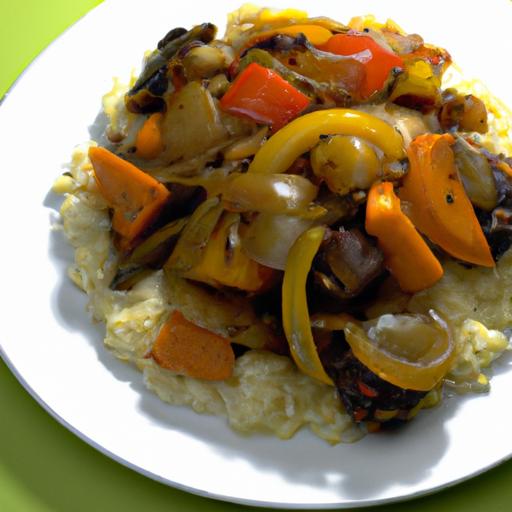
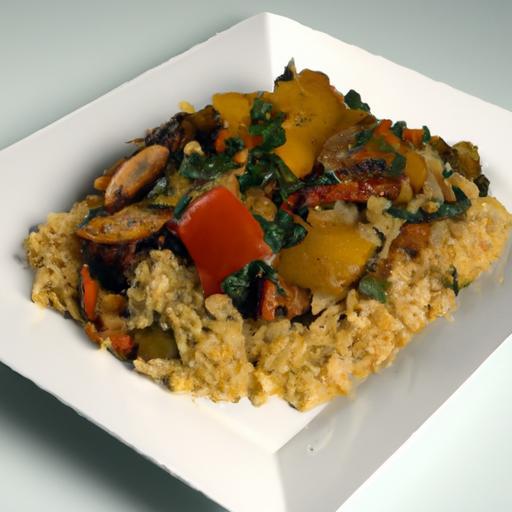
- Vegetable sauté: Sauté your vegetables in epis for a flavorful twist, perfect as a side dish or salad topping.
- Rice dishes: stir into rice dishes as they cook to impart great flavor; pair with beans for a traditional side.
- Garnish: Use it as a vibrant finishing touch on grilled dishes or roasted vegetables, adding colour and zest.
Serving suggestions
Present your creations beautifully by drizzling a little epis over grilled meats on a vibrant plate or mixing it gently through freshly steamed vegetables. For a stunning finish, sprinkle fresh parsley or a slice of lime alongside the dish, inviting your guests to savor the rich flavors of the Caribbean.
| Nutritional Information | Per Serving (1 tbsp) |
|---|---|
| Calories | 40 |
| Protein | 0.5g |
| Carbs | 2g |
| fat | 4.5g |
Q&A
Q&A: Haitian Epis – the Flavorful Essence of Caribbean Cuisine
Q1: What is Haitian Epis?
A1: Haitian Epis, often referred to as the soul of Haitian cooking, is a vibrant, aromatic blend of fresh herbs, vegetables, and spices. Typically, it combines ingredients like parsley, cilantro, green bell peppers, garlic, and scallions, all blended into a vivid green paste.This concoction serves as a culinary foundation, elevating everything from stews and marinades to rice dishes.
Q2: How is Haitian Epis traditionally made?
A2: Traditional Haitian Epis is made using a mortar and pestle, though many modern cooks opt for a blender for convenience. the ingredients are finely chopped and combined until they form a smooth paste. The proportions can vary based on personal preference, but they frequently enough include tangy lime juice and a touch of heat from spices like Scotch bonnet peppers.each family frequently enough boasts its unique twist on the recipe!
Q3: What dishes can benefit from Haitian Epis?
A3: The versatility of Haitian Epis is truly remarkable! It can be used as a marinade for meats, enhancing the flavor of chicken, and fish. It’s also an essential ingredient in stews, like Joumou (Haitian pumpkin soup) .Additionally, it can be stirred into rice dishes, salad dressings, or even dipped with bread for a zesty kick!
Q4: Can Haitian Epis be stored for later use?
A4: Absolutely! Haitian Epis can be stored in an airtight container in the refrigerator for about a week. For longer preservation, consider freezing it in ice cube trays, which allows you to easily pop out portions for future cooking. this way, you’ll always have a flavorful treasure ready to bring your dishes to life!
Q5: What makes Haitian Epis different from other herb pastes, like pesto or chimichurri?
A5: While all three sauces celebrate fresh herbs and add bold flavor, Haitian Epis is distinctly Caribbean in its selection of ingredients and preparation style. Unlike pesto, which prominently features basil and pine nuts, or chimichurri’s blend of parsley and garlic, Epis incorporates a unique combination of local staples and spices that reflect Haiti’s rich culinary heritage and vibrant culture.
Q6: Is Haitian Epis spicy?
A6: The spiciness of Haitian Epis is adjustable! while many recipes include Scotch bonnet peppers, known for their heat, you can control the spice level by varying how much you add or by omitting them altogether. For those with a milder palate, a few leaves of sweet pepper can lend a fresh flavor without the heat.
Q7: How does Haitian epis reflect Haitian culture and heritage?
A7: Haitian Epis is much more than just a seasoning; it’s a symbol of community and family traditions. Passed down through generations, each batch of Epis carries the love and history of its maker.The vibrant colors and fresh ingredients mirror Haiti’s lush landscapes and communal spirit, making it a focal point for gatherings, celebrations, and everyday meals. Each spoonful is a taste of home!
Q8: How can someone new to Haitian cuisine start using Epis in their cooking?
A8: If you’re venturing into Haitian cuisine for the first time, start by incorporating Epis into familiar recipes. Try using it as a marinade for grilled chicken or as a base for sautéed vegetables. You can also add a dollop to soups or sauces for extra flavor. The best way to get to know Haitian Epis is by experimenting and discovering what combinations resonate with your palate. happy cooking!
Concluding Remarks
As we conclude our flavorful journey through the vibrant world of Haitian epis, it’s clear that this aromatic blend is more than just a seasoning-it’s a cultural emblem, a testament to the rich heritage and culinary creativity of Haiti.Each fresh ingredient, from the zesty limes to the fragrant herbs, tells a story of resilience, tradition, and the unique Caribbean spirit.
Incorporating epis into your kitchen is not just about adding taste; it’s about embracing a lifestyle infused with passion and warmth. So, whether you’re marinating meats, jazzing up vegetables, or simply exploring new flavors, let this beloved haitian condiment be your guide.
As you experiment with your own recipes, remember that each dash of epis is a nod to the vibrant streets of Port-au-Prince and the countless families who have passed down this treasure through generations. Dive into the delightful depths of Caribbean cuisine, and may your culinary adventures be as rich and varied as the lands from which they come. Bon appétit!