

Mastering Fufu: A Simple Guide to Powdered Perfection
in the vibrant tapestry of African cuisine, few dishes embody comfort and tradition quite like fufu.This beloved staple, revered for its smooth texture and versatility, has anchored countless meals across families and cultures. but, while many relish its taste alongside rich soups and stews, the art of preparing fufu from scratch can seem daunting. Enter the world of powdered fufu-a game changer that marries convenience with authenticity. In this guide, we’ll unravel the secrets of mastering powdered fufu, revealing techniques that promise not just success, but a delightful journey into the heart of culinary excellence. Whether you’re a seasoned chef or a curious novice, get ready to uncover tips, tricks, and the satisfying simplicity of crafting the perfect fufu right in your own kitchen. LetS dive in and transform your cooking experience into a celebration of flavors and rich heritage!
Mastering Fufu: A Simple Guide to Powdered Perfection
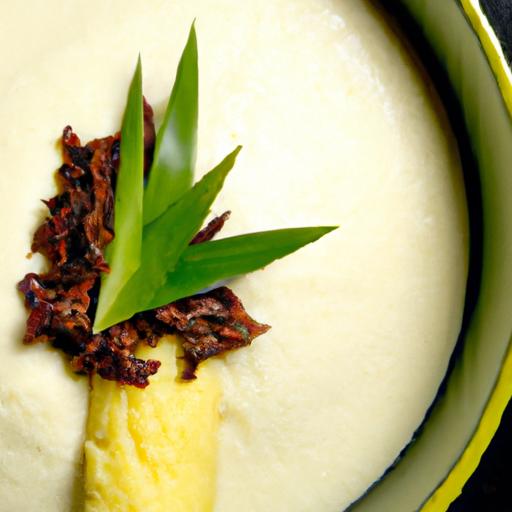
mastering fufu is not just about the act of cooking; it’s a cultural experience that takes you on a flavorful journey through the heart of West African cuisine.traditionally made from starchy vegetables like cassava, yam, or plantains, the dish has evolved, and now we frequently enough find ourselves working with convenient powdered versions that ensure smoothness and consistency. The result? A delightfully stretchy and soft accompaniment that pairs beautifully with soups, stews, and sauces-perfect for dipping or scooping.
Prep and Cook Time
Prep time: 10 minutes
Cook Time: 15 minutes
Yield
This recipe yields about 4 servings of fufu, perfect for a family meal.
Difficulty Level
Easy
Ingredients
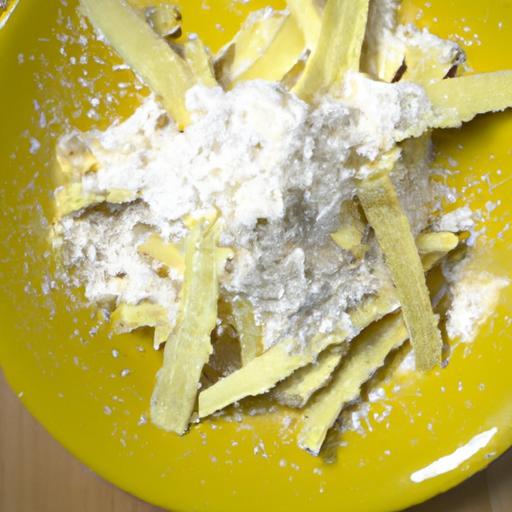
- 2 cups fufu powder (cassava or yam)
- 4 cups water
- Pinch of salt (optional)
Instructions
- In a medium-sized saucepan, bring 4 cups of water to a gentle boil over medium heat. If you’re adding salt, now is the time-just a pinch will enhance the flavor.
- Onc boiling, slowly add in 2 cups of fufu powder, stirring constantly with a wooden spatula or a whisk to avoid lumps.
- Reduce the heat to low and continue stirring vigorously.the mixture will begin to thicken; keep stirring until it reaches a smooth and stretchy consistency, about 5-7 minutes.
- if the fufu looks too dry, add a little more water, one tablespoon at a time, and mix until smooth.
- Once fully cooked, remove from heat and cover with a clean cloth to keep warm until serving.
Chef’s Notes
Achieving the perfect texture with fufu can be a bit of an art. Here are some tips for success:
- Use a high-quality fufu powder to ensure the best results. the finer the powder, the smoother your fufu will be.
- Don’t rush the stirring process. It is crucial for developing the stretchy and smooth texture that good fufu is known for.
- For a twist, substitute half the fufu powder with another type, like plantain flour, for unique flavors.
- If you have leftovers, wrap them tightly and refrigerate. Reheat by steaming over boiling water to restore the texture.
Serving Suggestions
Fufu is traditionally served with a variety of soups and stews. It’s delightful paired with:
- Groundnut soup: Creamy and rich with a touch of spice.
- Egusi soup: Made from ground melon seeds, great for providing texture.
- Palm nut soup: A flavorful seafood or meat-based dish that’s perfect for dipping.
Consider garnishing your dish with fresh herbs like cilantro or parsley for a pop of color. Enjoy the tactile experience of pulling off pieces of fufu,dipping them into that luscious sauce,and savoring every bite!
| Nutritional Information | Amount per Serving |
|---|---|
| Calories | 200 |
| Protein | 2g |
| Carbohydrates | 46g |
| Fat | 1g |

Q&A
Q&A: Mastering Fufu: A Simple guide to Powdered Perfection
Q1: What is fufu,and why is it so notable in various cuisines?
A1: Fufu is a beloved staple across West Africa,with its roots deeply embedded in the culinary traditions of countries like Ghana,Nigeria,and Ivory Coast. Made from starchy ingredients such as cassava, plantains, or yam, fufu is celebrated not just for its fluffy texture but also for its ability to absorb the rich flavors of soups and stews. It serves as a comforting companion to a variety of dishes, making it an integral part of communal meals and family gatherings.
Q2: What are the basic ingredients needed to make powdered fufu?
A2: To create your own powdered fufu, you’ll need dehydrated starchy vegetables, with cassava and plantain being the moast commonly used. You can find these in specialized African markets or online. The key is to ensure you’re working with high-quality ingredients that have been finely milled to ensure the best texture.
Q3: How do you prepare powdered fufu for cooking?
A3: Preparing powdered fufu is surprisingly simple! Start by boiling water in a pot. Once it reaches a rolling boil, gradually whisk in the powdered fufu while stirring continuously to avoid lumps. Keep stirring until you achieve a smooth, stretchy consistency that is neither too thick nor too runny, resembling dough. This process usually takes about 5-10 minutes. Remember, practice makes perfect, so don’t be discouraged if your first attempt isn’t flawless!
Q4: Can you suggest any creative pairing options for fufu?
A4: Absolutely! Fufu pairs beautifully with a variety of soups and stews. Some popular options include groundnut soup, light soup with chicken or fish, or a spicy vegetable stew. For a twist, consider serving fufu alongside a hearty African vegetable sauce or a lentil curry. The versatility of fufu allows it to complement both customary and modern dishes, opening up a world of flavor possibilities!
Q5: what are some essential tips for achieving the perfect fufu texture?
A5: To master the perfect texture of fufu, keep a few tips in mind:
- Water Temperature: Start with boiling water to help the powder absorb moisture evenly.
- Constant Stirring: Use a whisk or wooden spoon to continuously stir while adding the powdered fufu; this prevents lumps and ensures a smooth consistency.
- Resting Time: Let the fufu sit for a minute after cooking to firm up, making it easier to shape.
- Experimentation: Don’t be afraid to adjust the water-to-powder ratio until you find your ideal texture!
Q6: How can I store any leftover fufu?
A6: If you find yourself with leftover fufu, simply cover it and store it in the refrigerator for up to three days. When ready to enjoy again, reheat it by steaming or microwaving with a bit of water added to maintain its moisture. Alternatively, you can freeze it in an airtight container for up to a month.Just remember to let it thaw before reheating!
Q7: Is fufu suitable for those with dietary restrictions?
A7: Fufu is naturally gluten-free, making it an excellent choice for those with gluten sensitivities. Furthermore, if you use starches like cassava or yam, it caters to a variety of diets, including vegan and vegetarian. However, it’s essential to always check the ingredients of the powdered fufu you purchase, as some brands may have added preservatives or other ingredients that could be a concern for specific dietary needs.
Q8: What are some common misconceptions about fufu?
A8: One common misconception is that fufu is only found in African cuisine. In reality, similar dishes exist in various cultures around the world, showcasing the universal love for starchy staples. additionally, some may think fufu is arduous to make, but with the right technique and ingredients, anyone can master it! Embrace the simplicity and enjoy sharing this delightful dish with friends and family.
Q9: Where can I learn more about fufu and its cultural importance?
A9: to dive deeper into the world of fufu, consider exploring cookbooks focused on West African cuisine, engaging with local culinary classes, or watching online tutorials. Various food blogs and cultural documentaries also celebrate the significance of fufu in tradition and its central role in community dining, giving you a richer understanding of this cherished dish.Enjoy the journey!
To Wrap It Up
As we wrap up our journey through the art of mastering fufu, we hope you feel equipped and inspired to elevate this cherished staple into a culinary masterpiece. Remember, while the process may seem straightforward, the magic truly lies in your hands-whether you opt for the traditional methods of pounding and kneading or embrace the modern convenience of powdered fufu. Each technique opens a door to a world of flavor, texture, and cultural richness.
As you venture into your kitchen, don’t hesitate to experiment with different pairings and flavors to make the dish your own. Fufu is more than just a side; it’s a canvas that invites creativity,patience,and a love for the culinary traditions that connect us all.
So,gather your ingredients,roll up your sleeves,and embark on this delicious adventure. With a little practice and a dash of passion, you’ll soon be serving up an irresistible fufu that will bring family and friends together around the table. Here’s to creating stunning meals, savoring every bite, and celebrating the joy of cooking! Happy fufu making!