

Delightful Vegan Middle Eastern dinners: Flavorful Recipes Unveiled
In a world where culinary boundaries blur and flavors intertwine, the vibrant tastes of the Middle East beckon food enthusiasts to explore their rich, aromatic landscapes. Known for it’s bold spices,fresh herbs,and the stunning harmony of textures,Middle Eastern cuisine tantalizes the palate-and it has much to offer even without the inclusion of animal products. Welcome to a culinary adventure where the essence of traditional dishes meets the inventive spirit of veganism.
In this article,we unveil a collection of delightful vegan Middle Eastern dinners that promise to enchant your taste buds and nourish your body. From the warming embrace of spiced lentil soups to the vibrant burst of tabbouleh and the sumptuous allure of stuffed eggplant, these recipes showcase an array of colors and flavors that celebrate plant-based ingredients at their finest. Whether you are a seasoned vegan, a curious omnivore, or simply someone looking to expand your culinary repertoire, these delightful dishes will add excitement to your dinner table and inspire a deeper thankfulness for the culinary art of the Middle east. Join us as we embark on a flavorful journey that honors tradition while embracing a plant-powered future.
Delightful Vegan Middle Eastern Dinners: Flavorful Recipes Unveiled
Exploring the rich tapestry of Middle Eastern flavors in vegan cuisine opens a world of tantalizing tastes and aromas that can elevate any meal. The vibrant spices, fresh herbs, and hearty vegetables characteristic of this culinary tradition resonate with warmth and comfort, making it an exciting journey for any home cook. Today, we’ll dive into how traditional dishes can be transformed using innovative vegan ingredients while ensuring every bite is packed with authentic flavor.
Prep and Cook Time
- Prep time: 30 minutes
- Cook Time: 45 minutes
Yield
Serves 4
Difficulty Level
Medium
Essential Ingredients for Crafting Authentic Vegan middle Eastern Meals
- 2 cups quinoa, rinsed
- 1 can (15 oz) chickpeas, drained and rinsed
- 1 cup cherry tomatoes, halved
- 1 bell pepper, diced
- 1 medium onion, finely chopped
- 3 cloves garlic, minced
- 1 tsp cumin powder
- 1 tsp coriander powder
- 1/2 tsp cinnamon
- 1/4 tsp cayenne pepper (optional)
- 1/4 cup fresh parsley, chopped
- 2 tbsp olive oil
- Salt and pepper, to taste
- Juice of 1 lemon
Instructions
- In a medium pot, bring 4 cups of water to a boil. Add the quinoa and a pinch of salt. Reduce heat, cover, and simmer for 15 minutes or until the water is absorbed. Fluff with a fork and set aside.
- Heat olive oil in a large skillet over medium heat.Add the onion and sauté for 5 minutes until translucent. Stir in the garlic and cook for an additional minute.
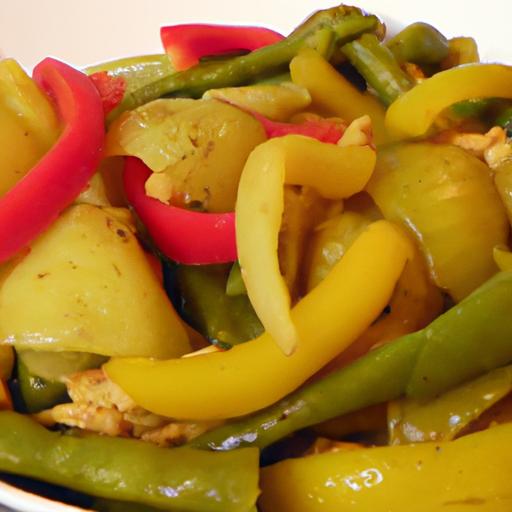
- Add the chickpeas, cherry tomatoes, and bell pepper to the skillet. Season with cumin, coriander, cinnamon, cayenne pepper, salt, and pepper. Sauté everything for 10 minutes until vegetables soften.
- In a large bowl, combine the cooked quinoa, sautéed mix, and fresh parsley. Add the lemon juice and stir to combine.
- Remove from heat and let it cool slightly before serving.
Chef’s Notes
if you’re looking to add more protein, consider incorporating some toasted pine nuts or slivered almonds. for a smoky flavor, try adding a dash of smoked paprika. This dish can be made ahead of time and stored in the fridge for up to three days.Reheat gently before serving.
serving Suggestions
For an extraordinary presentation, serve the dish warm in a large platter, garnished with a handful of fresh parsley and a sprinkle of zesty lemon zest. Pair it with a side of creamy vegan tzatziki or a crisp green salad drizzled with tahini sauce. The combination will enhance the bright flavors of your delightful vegan Middle Eastern dinner.
| nutritional Info | Per Serving |
|---|---|
| Calories | 320 |
| Protein | 12g |
| Carbs | 45g |
| Fat | 10g |
For even more ideas on how to explore vegan Middle Eastern flavors, check out our previous article on Vegan Middle Eastern Spices. Additionally, you can visit Serious Eats for a deeper dive into traditional Middle Eastern cuisines.
Q&A
Q: What makes middle Eastern cuisine a great choice for vegan diets?
A: Middle Eastern cuisine is a treasure trove for those embracing a plant-based lifestyle.Rich in flavors and vibrant spices, it emphasizes legumes, grains, fresh vegetables, and aromatic herbs. Staples such as chickpeas, lentils, and various grains offer abundant protein and fiber, while herbs like mint and parsley bring freshness to each dish. With culinary traditions steeped in healthy ingredients, this cuisine provides endless vegan possibilities that are both satisfying and nutritious.
Q: Can you share a simple yet flavorful vegan recipe inspired by Middle Eastern cuisine?
A: Absolutely! One delightful recipe you can try is Vegan Stuffed Bell Peppers with Quinoa and Chickpeas. Start by cooking quinoa and mixing it with canned chickpeas, diced tomatoes, chopped parsley, garlic, and a drizzle of olive oil. Season generously with cumin, paprika, salt, and pepper.Stuff halved bell peppers with this mixture and bake at 375°F (190°C) for about 30 minutes. Garnish with a squeeze of lemon juice before serving for an extra zing!
Q: What are some essential spices and ingredients to have on hand for creating vegan Middle Eastern dishes?
A: To embark on your flavorful journey into Middle Eastern cuisine, stock your pantry with staples like cumin, coriander, sumac, and paprika. Garlic and onions are foundational for many dishes,while tahini (sesame paste) adds richness to dips like hummus. Don’t forget fresh herbs like cilantro and mint, as well as lemon for a splash of bright acidity that elevates any meal. Olive oil is perfect for drizzling and roasting, enhancing flavor without overshadowing the ingredients.
Q: How can I recreate the vibrant flavors of traditional Middle Eastern dishes in a vegan way?
A: the secret lies in embracing bold spices and textures! As a notable example, rather of meat, use hearty lentils or jackfruit as a base for dishes like kebabs or stews.Roasting vegetables with spices like za’atar or harissa adds depth.Favoring dips such as baba ganoush and muhammara,made with roasted eggplant and walnuts,will elevate your meal. Pairing these dishes with flatbreads or rice prepared with saffron also helps capture that authentic Middle Eastern essence-without meat.
Q: Are there any common dishes from middle Eastern cuisine that easily convert to vegan versions?
A: Certainly! Many traditional dishes can be easily adapted. For example, falafel-made from ground chickpeas and spices-is inherently vegan.similarly,tabbouleh offers a fresh,herb-packed salad that’s completely plant-based. You can also modify stuffed grape leaves,using rice,herbs,and nuts instead of meat. These conversions allow for authenticity while catering to a compassionate lifestyle.
Q: What are some tips for hosting a vegan Middle eastern dinner party?
A: Hosting a vegan Middle Eastern dinner can be a delightful experience! Start with a mezze platter featuring hummus, baba ganoush, stuffed grape leaves, and vegetables. For the main course,serve a colorful grain bowl filled with spiced chickpeas and roasted veggies. Don’t forget a refreshing mint and cucumber salad on the side! Finish with a traditional dessert like vegan baklava or date-filled pastries.Creating a warm, inviting atmosphere and encouraging guests to share and taste from shared platters will enhance the communal spirit of Middle Eastern dining.
Q: how can I ensure my vegan Middle eastern dishes are filling and satisfying?
A: Focus on incorporating various proteins and hearty ingredients. Use lentils, chickpeas, and tahini to create filling dishes. Pair your main courses with grain bases like couscous or bulgur wheat, which are nutritious and satisfying. Adding nuts and seeds not only enhances the taste but also boosts the nutritional profile. Serving a balance of textures-creamy dips, crunchy salads, and warm breads-makes for an enjoyable and fulfilling meal.
This Q&A format provides insight into vegan Middle Eastern dinners, highlighting recipes, ingredients, and tips while maintaining an engaging, informative tone.
The Way Forward
As we conclude this culinary journey through the vibrant and aromatic world of vegan Middle Eastern dinners,we hope you’ve found inspiration in these delightful recipes that celebrate the rich tapestry of flavors this region has to offer. From the zesty tang of fresh herbs to the warm embrace of spices, each dish invites you to explore new pairings and enjoy the wholesome goodness of plant-based ingredients.
Whether you’re a seasoned chef or just beginning to explore the joys of vegan cooking, these dishes serve as a reminder that food is not only sustenance but also a vivid expression of culture and connection. We encourage you to experiment, adapt, and make these recipes your own, sharing the love and laughter that comes from gathering around the table with family and friends.
As you embark on your own Middle Eastern culinary adventures, remember that each meal is an opportunity to savor not just the flavors but the stories and traditions that accompany them. So, roll up your sleeves, grab your spices, and let the enticing aromas of your kitchen create lasting memories. Happy cooking!