

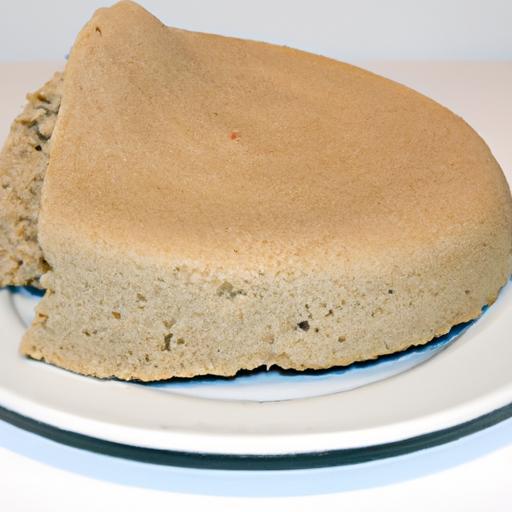
Discover the Delights of Ethiopian Injera: Teff Bread unveiled
Nestled in the heart of East Africa lies a culinary treasure that transcends mere sustenance-injera. This traditional Ethiopian flatbread, made primarily from teff, a gluten-free grain celebrated for its remarkable nutritional profile, is more than just a food; it’s a flavor experience and a cultural symbol. Characterized by its distinctive spongy texture and slightly tangy taste, injera serves as the canvas for an array of vibrant stews, salads, and grilled dishes, each bite a harmonious blend of history and taste. In this article, we will unveil the secrets of injera, exploring its rich heritage, the art of its preparation, and its role in fostering communal dining-a practice that weaves together families and friends around the tantalizing tastes of Ethiopia. Join us on a journey to discover why injera is not just a food-it’s a party of life itself.
Exploring the Unique Flavors and Textures of Teff
The soul of Ethiopian cuisine lies in its ability to weave together vibrant flavors and traditions, and at the heart of this culinary tapestry is injera, a spongy flatbread made from fermented teff flour. The unique flavors and textures of teff bring a nutty, slightly earthy essence to the table, showcasing its ancient roots and cultural importance.Originating from the highlands of Ethiopia, this ancient grain not only serves as a staple food but also a vehicle for sharing meals, creating an intimate dining experience steeped in history.Having first tasted injera during a trip to Addis Ababa, witnessing how it effortlessly gathers mouthwatering stews and vegetables stirred a passion in me to replicate this dish at home, allowing its rich flavors to shine through.
Prep and Cook Time
- Prep Time: 20 minutes (plus resting time)
- Cook Time: 10 minutes per batch
Yield
- servings: 4-6
Difficulty Level
- Medium
Ingredients
- 2 cups teff flour
- 2 ½ cups water (warm)
- 1 tsp active dry yeast
- 1 tsp salt
- 1 tbsp olive oil (for greasing the pan)
Instructions
- Mix the batter: In a large bowl, combine the teff flour with the warm water. Stir until smooth and there are no lumps. Add the active dry yeast and mix well.
- Ferment the batter: Cover the bowl with a cloth and let it sit in a warm place for about 24 hours, allowing the mixture to ferment and develop bubbles.
- Prepare to cook: After 24 hours, stir in the salt.The batter should be pourable but thick. Preheat a non-stick skillet or griddle over medium heat.
- Cook the injera: Lightly grease the skillet with olive oil. Pour about 1 cup of batter into the center of the hot skillet, gently swirling it to evenly spread out the batter in a circular motion.
- Cover and steam: Promptly cover the skillet with a lid and cook for 2-3 minutes until the edges start to lift and the top appears set. The injera should have a slightly spongy texture.
- Complete the batch: Remove the injera from the skillet and place it on a plate. Repeat the process with the remaining batter, layering the injera with parchment paper to prevent sticking.
Chef’s Notes
For a more tangy flavor, you can ferment the batter for up to 48 hours. If you’re short on time, consider adding a tablespoon of vinegar to mimic the sourness. If traditional teff flour is hard to find,a blend of whole wheat flour and all-purpose flour can work in a pinch,though it will alter the flavor and texture somewhat.If you find the batter too thick, add a little more water until you achieve the desired consistency.
Serving Suggestions
To present your injera beautifully, create a colorful platter featuring a variety of stews and vegetables, such as shiro wat (chickpea stew), gomen (steamed greens), and spicy lentils. Using torn pieces of injera, scoop up the stews and enjoy them together, allowing the flavors to meld in every bite. Don’t forget to garnish with fresh herbs or a sprinkle of Berbere spice for an extra kick of flavor!
| Nutritional details | Per Serving |
|---|---|
| Calories | 200 |
| Protein | 7g |
| Carbohydrates | 44g |
| Fat | 1g |
Q&A
Q&A: Discover the Delights of Ethiopian Injera: Teff Bread Unveiled
Q1: What exactly is injera, and why is it so notable in Ethiopian cuisine?
A1: Injera is a traditional Ethiopian flatbread, characterized by its unique spongy texture and slightly tangy flavor. Made primarily from teff flour, injera serves as both a staple food and a serving medium in Ethiopian meals. Its importance is twofold: it complements a variety of rich stews known as “wot” and also acts as a utensil, allowing diners to scoop up flavorful dishes, fostering a communal dining experience.
Q2: What is teff, and what makes it special compared to other grains?
A2: Teff is a tiny, gluten-free grain native to Ethiopia, celebrated for its nutritional powerhouse qualities. Packed with proteins, fiber, and essential minerals like iron and calcium, teff is considered one of the world’s superfoods. Its ability to thrive in various climates,combined with its rich taste and versatility,makes it a favorite not just in Ethiopia,but increasingly around the globe.
Q3: Can you describe the preparation process of injera?
A3: Preparing injera is an art form! The process begins with fermenting teff flour mixed with water, allowing natural microorganisms to cultivate a tangy flavor. This process typically takes 1-3 days, depending on the desired taste and climate. Once fermented, the batter is poured onto a hot, large skillet or a specialized griddle called a “mitad,” creating small holes as it cooks-these pockets are perfect for soaking up stews.
Q4: Is injera only served in Ethiopian cuisine, or can it be paired with other types of food?
A4: While injera is a cornerstone of Ethiopian cuisine, its versatility allows it to pair beautifully with various other culinary traditions. You can enjoy it with grilled vegetables, spicy legumes, or even as an accompaniment to salads. Its unique texture and flavor profile make it an exciting alternative to traditional breads in diverse recipes from different cultures.
Q5: Are there different types of injera, and if so, how do thay differ?
A5: Yes! The most common type of injera is made from 100% teff flour, which boasts a rich, nutty flavor. Though, in some regions, a blend of teff with other flours, like barley or wheat, can be used to create variations in texture and taste. Each type offers a unique experience, highlighting the local flavors and preferences of various Ethiopian communities.
Q6: Can you share any tips for making injera at home?
A6: Absolutely! First, embrace the fermentation process-it’s crucial for developing the signature tangy flavor.Use a non-stick skillet to ensure even cooking and prevent sticking.Experiment with the batter consistency; a thinner batter will yield more holes, creating that iconic spongy texture. And don’t be afraid to practice; the more you make it, the closer you’ll get to that perfect injera!
Q7: Where can someone find authentic injera if they can’t make it at home?
A7: Many Ethiopian restaurants around the world proudly serve authentic injera, often made from traditional recipes passed down through generations.Additionally, specialty grocery stores and farmers markets may carry packaged injera or teff flour, allowing you to recreate this delightful bread at home. Exploring local Ethiopian establishments not only satisfies your craving but also connects you to the rich cultural tapestry of Ethiopia.
Q8: What health benefits does injera offer?
A8: As a gluten-free bread rich in dietary fiber, injera is an excellent choice for individuals seeking healthier options. Teff is high in protein and essential amino acids, contributing to muscle health and overall well-being. Moreover, its low glycemic index helps in managing blood sugar levels, making injera a nutritious addition to a balanced diet.
Q9: How can injera enhance the dining experience?
A9: Injera transforms meals into a sensory adventure! The communal style of eating, where everyone shares a platter centered around injera and colorful stews, invites conversation and connection. Its ability to soak up flavors enhances every bite, while its soft, chewy texture provides a comforting backdrop for a variety of delicious dishes, making dining a memorable experience.Each bite of injera is a delightful journey through Ethiopian culture, rich in history, community, and flavor. Are you ready to uncover the wonders of this extraordinary bread?
Concluding Remarks
As we conclude our flavorful journey through the world of Ethiopian injera, it becomes clear that this ancient teff bread is more than just a staple; it is a vibrant canvas for an array of culinary delights. The unique combination of tangy flavor and spongy texture invites taste buds to explore the rich tapestry of Ethiopian cuisine,making every meal a shared experience of culture and community. Whether you savor it dipped in a zesty stew or paired with a spicy salad, injera serves as a bridge between tradition and modern dining, connecting us through flavors and stories that span generations.
Embracing the delights of injera means understanding its significance beyond the plate-it’s a symbol of hospitality and togetherness,an invitation to gather around,share,and celebrate. As you embark on your own culinary adventure, let the enchanting taste of teff inspire you to dive deeper into Ethiopian culture and connect with the heart of its vibrant culinary identity. So, grab your injera and embark on a journey of flavor-each bite is a testament to the beauty of diversity and the joy of discovering something beautifully new. Happy feasting!