

Flavorful Delights: Cooking with Sumac Powder Recipes
In the vast world of spices, few can claim to be as uniquely vibrant and versatile as sumac powder. With it’s tangy, citrus-like flavor and deep red hue, sumac brings a refreshing twist to a variety of dishes, elevating meals from mundane to magnificent. Once a staple in Middle Eastern kitchens, this ancient seasoning is now making waves globally, captivating culinary enthusiasts eager to explore bold tastes and vibrant aromas. In this article, we invite you to embark on a flavorful journey, unlocking the potential of sumac powder through an array of tantalizing recipes. From zesty marinades and aromatic dips to sumptuous salads and savory main courses, prepare to infuse your cooking with this extraordinary spice, transforming everyday ingredients into unforgettable delights. Whether you’re a seasoned chef or an adventurous home cook, discover how sumac can enhance your culinary repertoire and awaken your palate to new possibilities.
exploring the Tangy Essence of Sumac
Flavorful delights await as we dive into the world of sumac powder. This zesty spice, famed for its tangy flavor, elevates everyday dishes with a vibrant, citrus-like flair. Originating from the Middle East,sumac has made its way into a multitude of global cuisines,offering a unique twist on traditional recipes. Whether you’re looking to amplify a classic dish or explore something novel, sumac’s versatility will inspire your culinary journey.
Prep and Cook Time
Prep Time: 15 minutes
Cook Time: 30 minutes
Yield
Servings: 4
Difficulty Level
Medium
Ingredients
- 2 cups quinoa,rinsed and drained
- 4 cups vegetable broth
- 1 tablespoon olive oil
- 1 medium onion,diced
- 2 cloves garlic,minced
- 1 medium red bell pepper,diced
- 1 medium cucumber,diced
- 1 cup cherry tomatoes,halved
- 3 tablespoons sumac powder
- 1 lemon,juiced
- Salt and pepper to taste
- fresh parsley,chopped for garnish
Instructions
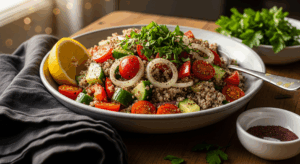
- Cook the Quinoa: In a large saucepan,combine rinsed quinoa and vegetable broth. Bring to a boil, then cover and reduce heat to low. Cook for 15-20 minutes or until all liquid is absorbed. Remove from heat and let it sit, covered, for 5 minutes.
- sauté the Vegetables: While the quinoa is cooking, heat olive oil in a skillet over medium heat. Add diced onion and sauté until translucent, about 5 minutes. Stir in minced garlic and red bell pepper, cooking for an additional 3-4 minutes.
- Mix in Other Ingredients: Once the veggies are tender, remove from heat and add diced cucumber, cherry tomatoes, and cooked quinoa. Mix well.
- Add Flavor: Sprinkle 3 tablespoons of sumac powder over the mixture, adding lemon juice and stirring to combine. season with salt and pepper to taste.
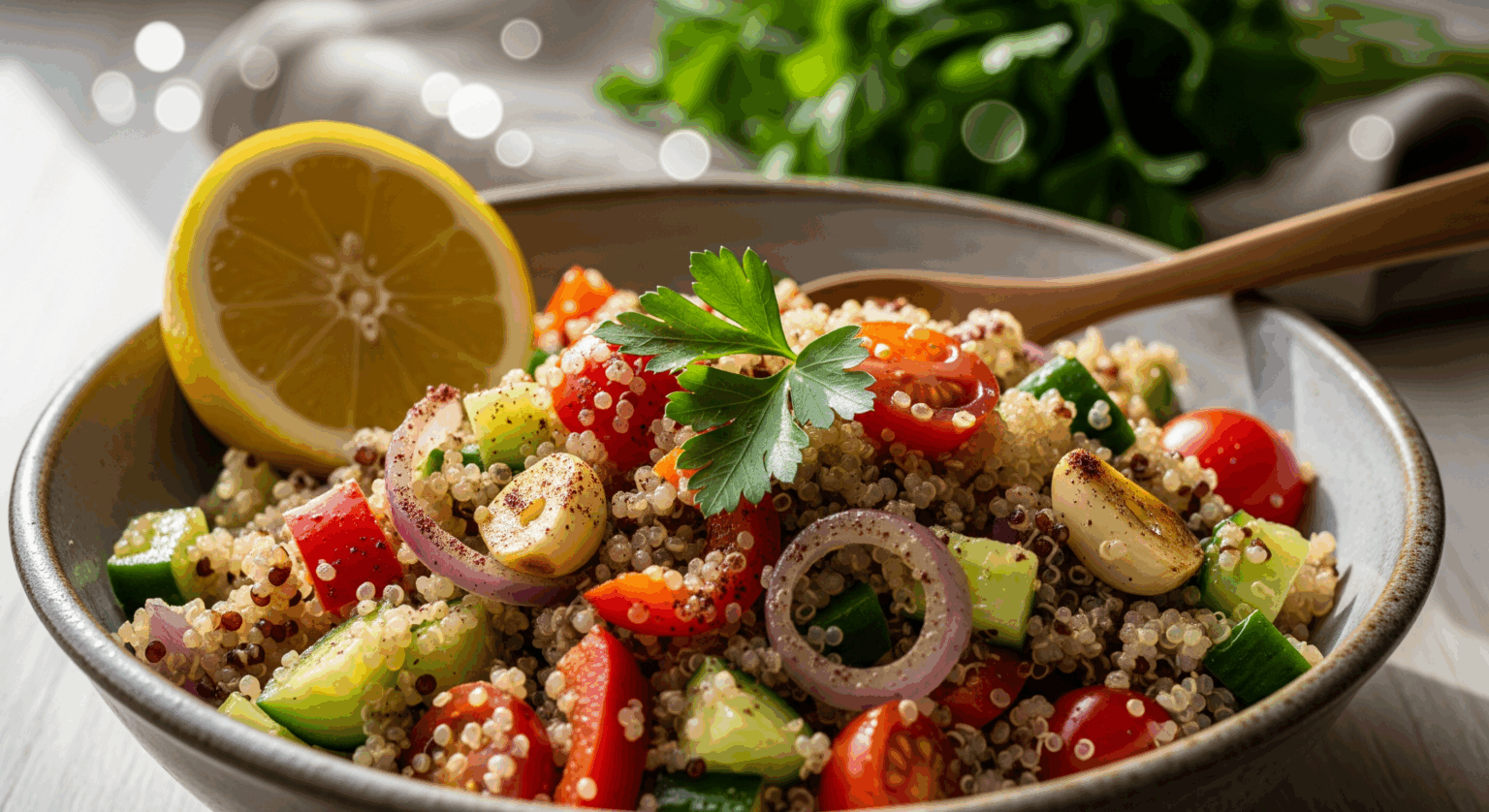
- Garnish: Transfer to a serving bowl and garnish with fresh parsley. Serve warm or at room temperature.
Chef’s Notes
For a delightful twist, consider adding cooked chickpeas or roasted vegetables like sweet potatoes or zucchini for extra flavor and nutrition. If you’re looking for a milder flavor, use less sumac initially and adjust to your taste preference. You can prepare the quinoa salad in advance; just store it in an airtight container in the refrigerator for up to 3 days.
Serving Suggestions
This quinoa salad can be enjoyed as a main dish or served as a vibrant side dish. Pair it alongside grilled chicken or fish for a complete meal. to add a touch of color, sprinkle with additional fresh herbs or edible flowers before serving.
| Nutritional Details | Per Serving |
|---|---|
| Calories | 250 |
| Protein | 7g |
| Carbs | 40g |
| Fat | 8g |
Utilizing sumac powder in your culinary creations will undoubtedly elevate your dishes to new heights. Its tangy essence enriches flavors and adds a delightful twist that celebrates global cuisines. Explore this divine spice in various recipes, expanding not only your palate but also the vibrancy of your meals.
For additional ideas on how to incorporate spices into everyday cooking, check out our article on spice rack inspirations. For historical insights into sumac’s role in gastronomy,visit National Geographic.
Q&A
Q&A for “Flavorful Delights: Cooking with Sumac powder Recipes”
Q1: What exactly is sumac powder, and how does it enhance dishes?
A1: Sumac powder is a vibrant spice made from the dried and ground berries of the sumac plant, known for its tart, lemony flavor profile. It adds a delightful tang and luminous color to dishes, elevating the overall taste experiance. Its acidity can balance richer ingredients, making it a fantastic seasoning for everything from grilled meats and vegetables to salads and dips.
Q2: In which cuisines is sumac commonly used?
A2: Sumac is a staple in Middle Eastern and Mediterranean cuisines, often found in dishes like za’atar, marinades, and even sprinkled over hummus. Its versatility is such that it has found its way into various global recipes, where its unique flavor can play a starring role or serve as a subtle backdrop.
Q3: How can I incorporate sumac powder into my everyday cooking?
A3: Incorporating sumac into your cooking is as simple as sprinkling it on dishes to add a zesty finish! Try dusting it over roasted vegetables, mixing it into salad dressings, or using it to season grilled chicken or fish. You can even create a tangy yogurt sauce by blending it with greek yogurt, garlic, and a touch of olive oil.
Q4: Can you share a few easy recipes that highlight sumac powder?
A4: Absolutely! Hear are a couple of easy recipes to make the most of sumac:
- Sumac Roasted Chickpeas: Toss canned chickpeas with olive oil, salt, garlic powder, and plenty of sumac. Roast in the oven until crispy for a zesty snack or salad topping.
- Sumac-Infused Quinoa Salad: Cook quinoa and let it cool. Mix in diced cucumbers, cherry tomatoes, red onion, a good sprinkle of sumac, fresh herbs like parsley or mint, and a simple lemon-olive oil dressing for a refreshing side dish.
Q5: What are some creative uses for sumac that might surprise me?
A5: Sumac can elevate many unexpected dishes! Use it as a unique seasoning for popcorn or sprinkle it on avocado toast for an exciting twist. You can even mix sumac into your homemade marinades or vinaigrettes to provide an exotic edge to your favorite sauces.
Q6: Are there any health benefits associated with sumac?
A6: Indeed! Sumac is rich in antioxidants and has anti-inflammatory properties, which can provide health benefits such as improved digestion and heart health. Its tangy flavor can also encourage you to use it as a substitute for salt in certain recipes, possibly helping reduce sodium intake.
Q7: Where can I find sumac powder, and how should I store it?
A7: Sumac powder can be found at specialty spice shops, international markets, or online retailers. When you get your hands on it, store in an airtight container in a cool, dark place to maintain its freshness and flavor. It’s best used within six months for optimal taste.
Q8: What flavor profiles pair well with sumac?
A8: Sumac pairs beautifully with flavors such as garlic, olive oil, citrus, and fresh herbs like parsley and cilantro. It complements the richness of fatty foods, making it a great companion to grilled veggies, proteins, and grain-based dishes. The tangy zest also enhances sweet and sour profiles beautifully.
Armed with this delightful knowledge of sumac powder and these creative recipes, you’re ready to embark on a flavorful cooking adventure! Bon appétit!
To Conclude
As we conclude our flavorful journey through the enchanting realm of sumac powder, it’s clear that this vibrant spice offers far more than just a tart, citrusy kick to your dishes. With its rich history and diverse culinary applications, sumac invites you to experiment and explore new horizons in your kitchen. Whether you choose to sprinkle it on grilled meats, blend it into dressings, or use it to elevate your favorite grain salads, each recipe becomes a canvas for creativity, bringing a tapestry of flavors to life.
Incorporating sumac into your cooking not only enhances your meals but also connects you to the age-old traditions of cultures that have celebrated this spice for centuries. So, as you embark on your culinary adventures with these delectable sumac-infused recipes, remember that each sprinkle is not just seasoning-it’s a celebration of taste and history. Embrace the flavorful delights that sumac has to offer, and let your taste buds revel in the symphony of tangy and aromatic bliss. Happy cooking!