


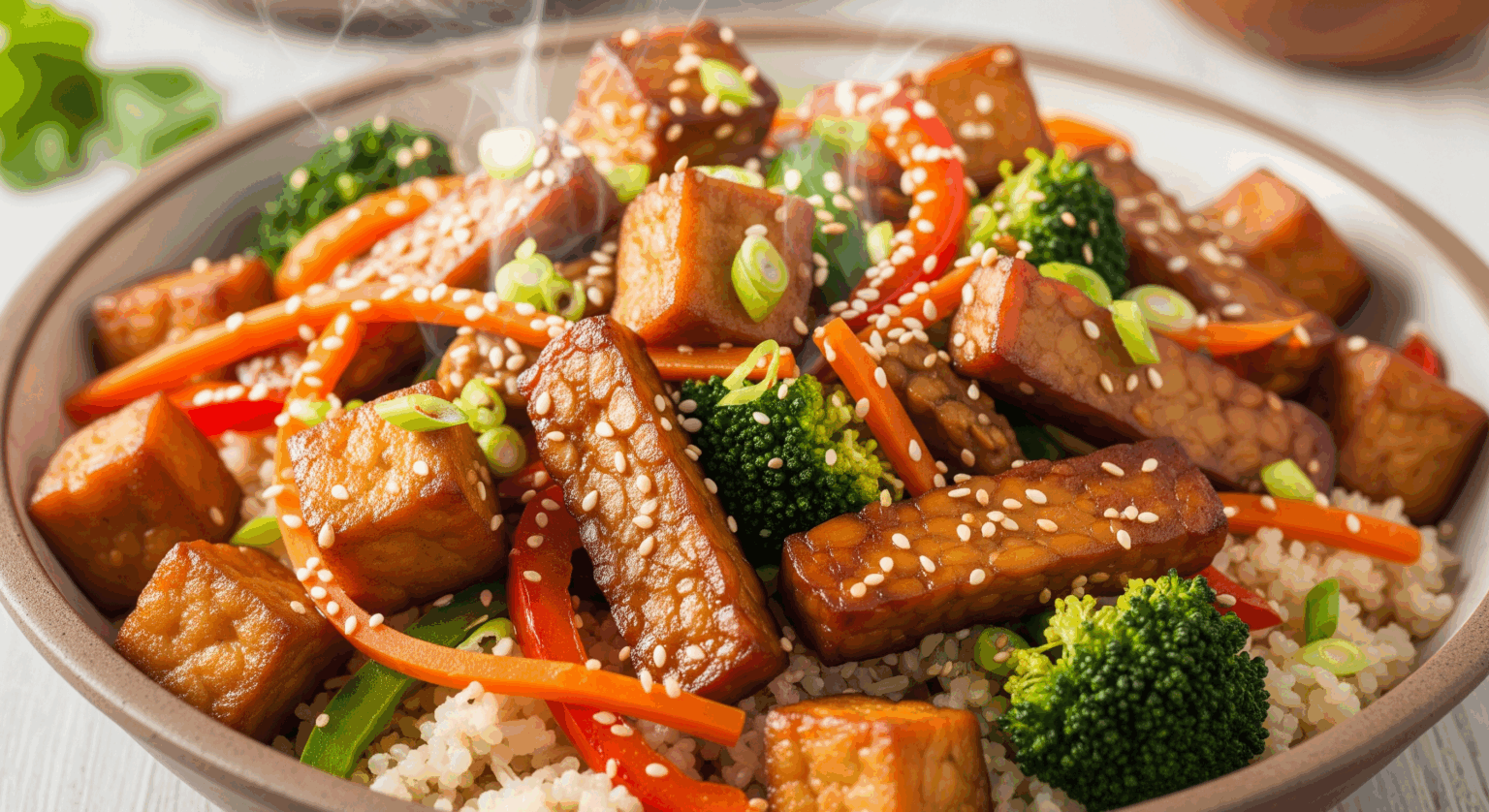
In the bustling arena of modern plant-based diets, three champions stand tall: tofu, tempeh, and seitan. Each of these protein-packed powerhouses boasts unique flavors, textures, and nutritional profiles, vying for a place on your plate and in your heart. But with so much to offer, how do you choose between them? Are you in the mood for the silky smoothness of tofu, the nutty crunch of tempeh, or the hearty chew of seitan? In this ultimate plant protein showdown, we’ll dissect the strengths and weaknesses of each contender, exploring their origins, culinary versatility, and health benefits. Whether you’re a seasoned vegan, a curious omnivore, or simply looking to bolster your meals with some plant-based goodness, join us as we dive into the appetizing world of tofu, tempeh, and seitan, and discover which protein deserves the title of your pantry’s MVP!
The Nutritional Powerhouses Unveiled: Comparing Protein Profiles
Tofu, tempeh, or seitan? The ultimate plant protein showdown presents a world of culinary possibilities, and each choice brings unique flavors, textures, and nutritional benefits to your plate. If you’re looking for a versatile dish that showcases the merits of these three protein-rich ingredients, this guide will embark you on a delicious journey through their profiles, culinary versatility, and environmental impact.
Prep and Cook Time
- Prep Time: 15 minutes
- Cook Time: 20 minutes
Yield
- Servings: 4
Difficulty Level
- Easy
Ingredients
- 1 block (14 oz) firm tofu, pressed and cut into cubes
- 1 cup tempeh, sliced
- 1 cup seitan, sliced
- 2 tablespoons olive oil
- 3 cloves garlic, minced
- 1 tablespoon ginger, grated
- 3 tablespoons soy sauce
- 1 tablespoon maple syrup
- 1 teaspoon sesame oil
- 2 cups mixed vegetables (bell peppers, broccoli, and carrots)
- Cooked rice or quinoa, for serving
- Sesame seeds and green onions, for garnish
Instructions
- In a large frying pan or wok, heat olive oil over medium heat.Add garlic and ginger, sautéing until fragrant, about 2 minutes.
- Next, add the tofu cubes and cook until golden brown and crispy, about 5-7 minutes.Stir occasionally to prevent sticking.
- Add the tempeh slices and continue to cook for another 4 minutes, allowing it to absorb the flavors.
- Stir in the seitan, soy sauce, maple syrup, and sesame oil, mixing well to ensure everything is coated.
- Fold in the mixed vegetables and cook until they are tender but still vibrant,about 5 minutes.
- Serve over cooked rice or quinoa, garnishing with sesame seeds and chopped green onions.
Chef’s Notes
For added depth of flavour, consider marinating the tofu in a mixture of soy sauce and spices before cooking. Additionally, each protein can be substituted based on availability or personal preference. For instance, try adding homemade BBQ seasoning for a smoky flavor, or spice it up with chili flakes if you prefer a kick. This dish can be prepared ahead of time and reheated,making it perfect for meal prepping your week!
serving Suggestions
To elevate the dish,arrange the tofu,tempeh,and seitan mixture in a shallow bowl. Serve alongside a mound of fluffy rice or quinoa, and sprinkle with a generous amount of sesame seeds and fresh green onion for a pop of color and texture. A lime wedge on the side can provide a zesty finish that brightens the overall taste.
| Nutritional Facts | Per Serving |
|---|---|
| Calories | 320 |
| Protein | 25g |
| Carbs | 30g |
| Fat | 15g |
Exploring the culinary versatility of plant proteins is not just beneficial for our health but also imperative for our planet. For more on different plant-based proteins, check out our reference on The Academy of nutrition and Dietetics website. Discover what fits best with your dietary goals, and whether you’re craving a savory stir-fry or a protein-packed bowl, the choice between tofu, tempeh, and seitan empowers you to tailor your meals to your tastes and needs.
Q&A
Q&A: The Ultimate Plant protein showdown – Tofu, Tempeh, or Seitan?
Q: What exactly are Tofu, Tempeh, and Seitan?
A: Tofu, tempeh, and seitan are all popular plant-based protein sources, each uniquely crafted from different ingredients. Tofu is made from soybeans; it’s made through a process of coagulating soy milk, pressing the curds, and cooling them into blocks.Tempeh is also derived from soybeans but is fermented, resulting in a nutty flavor and a firmer texture. Seitan,on the other hand,is made from wheat gluten,giving it a meat-like chewy texture,which makes it a favourite among many who follow a plant-based diet.
Q: What are the nutritional profiles of each?
A: In the realm of nutrition, each contender boasts its strengths. Tofu is a fantastic source of protein, rich in calcium, and low in calories, making it a heart-friendly option. Tempeh edges ahead with even more protein and dietary fiber, thanks to its whole soybean base, along with beneficial probiotics from fermentation. Seitan offers a whopping protein punch with about 25 grams of protein per 3.5 ounces, but it’s lower in essential amino acids and not suitable for those gluten-sensitive or celiac.
Q: what culinary versatility do they offer?
A: when it comes to versatility,these three ingredients shine in different ways. Tofu can absorb flavors like a sponge, making it perfect for both sweet and savory dishes, whether diced in stir-fries, blended into smoothies, or scrambled like eggs. Tempeh,with its distinct nutty flavor,pairs well in hearty grain bowls or as a protein-packed filling in wraps. Seitan mimics meat’s texture beautifully, making it an excellent choice for vegan versions of classic dishes like pulled “pork” sandwiches or stir-fried meats.
Q: Are there any allergen considerations for each?
A: Absolutely! Tofu and tempeh, both derived from soybeans, may not be suitable for those with soy allergies. However,tempeh’s fermentation process can decrease allergenicity for some. Seitan is made entirely of wheat gluten, making it off-limits for anyone with gluten intolerance or celiac disease. Therefore, it’s essential to consider dietary restrictions when choosing your plant protein.
Q: How do these plant proteins stand up in terms of sustainability?
A: All three contenders have their champions in the sustainability arena! Tofu frequently enough comes out on top, as soybeans require less water and land compared to animal protein production. Tempeh, being a fermented form of soy, also has a minimal ecological footprint. For seitan, while wheat is generally sustainable, it does require more resources compared to soy. Nonetheless, choosing any of these plant proteins over conventional animal products is generally a step toward a more sustainable diet.
Q: What are some creative ways to incorporate these proteins into daily meals?
A: Get ready to unleash your culinary creativity! For tofu, try making crispy baked nuggets or a silky tofu cheesecake. Tempeh shines when crumbled and sautéed for tacos or marinated and grilled for salads.For seitan lovers, think stir-fry, BBQ sandwiches, or even as a hearty addition to soups. The options are limitless,so don’t hesitate to experiment in the kitchen!
Q: Can these proteins be part of a balanced diet?
A: Absolutely! Incorporating tofu,tempeh,and seitan into a balanced diet is not only possible but also beneficial. They provide essential amino acids, fiber, and various vitamins and minerals when paired with a colorful variety of fruits, vegetables, grains, and healthy fats. By rotating among these proteins,you can enjoy diverse meals while reaping the nutritious rewards of plant-based eating.
Embrace the plant protein showdown and discover which protein fits your palate and lifestyle! Whether you’re a tofu aficionado,tempeh enthusiast,or seitan supporter,each offers a unique and delicious addition to your daily meals.
Final Thoughts
As we wrap up our ultimate plant protein showdown, it’s clear that tofu, tempeh, and seitan each bring their unique strengths to the table, offering flavors, textures, and nutritional benefits that cater to diverse tastes and dietary preferences. Whether you’re a seasoned plant-based enthusiast or just dipping your toes into the world of meat alternatives, the versatility of these protein powerhouses allows you to experiment and discover what works best for your palate and lifestyle.
Tofu, with its silky smoothness or sturdy firmness, adapts seamlessly into countless recipes, from savory stir-fries to decadent desserts. Tempeh brings a nutty richness and a delightful crunch that can elevate any dish, while also boasting impressive health benefits.And let’s not forget seitan, the hearty and chewy darling of the vegan scene, capable of mimicking the texture of meat in a way that satisfies even the most devoted carnivores.
As you embark on your culinary adventures, don’t hesitate to mix and match these proteins in your meals-each one shines in distinct ways and can complement the others beautifully. The journey toward a more plant-based lifestyle can be delicious and rewarding,and what better way to start than by exploring the amazing offerings of tofu,tempeh,and seitan? So,roll up your sleeves,get creative in the kitchen,and celebrate the vibrant tapestry of flavors that plant proteins have to offer. Your taste buds-and your body-will thank you!