

Discover the Art of persian Jeweled Rice: A Recipe Guide
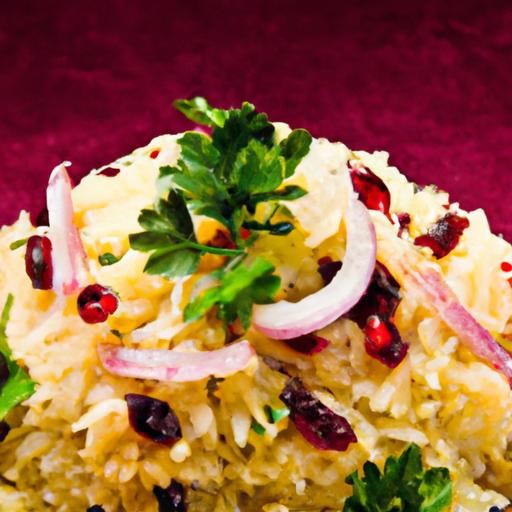
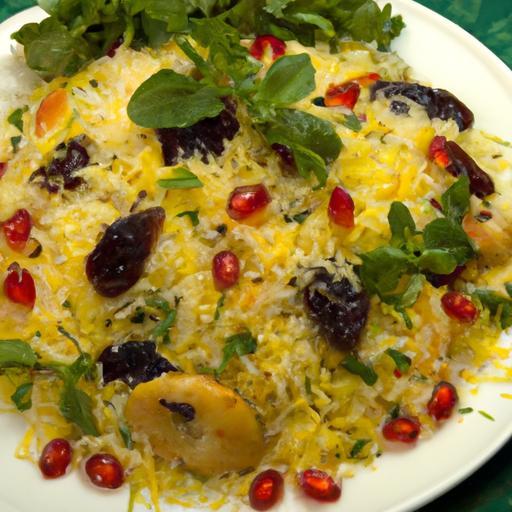
In the vibrant tapestry of Persian cuisine, few dishes captivate the senses quite like jeweled rice. Known as “Tahchin” or “Shirin Polow,” this regal dish transforms simple grains into a celebration of color, flavor, and texture. Imagine a bed of fluffy basmati rice adorned with glistening jewels of pomegranate seeds, slivers of golden almonds, and a sprinkle of fragrant saffron - each bite a harmony of sweet and savory that invites you to indulge in centuries of culinary tradition. As we delve into the artistry of Persian jeweled rice, we’ll explore its rich history, its symbolic importance, and, most importantly, provide you with a step-by-step recipe that will allow you to bring this enchanting dish to your own table. Prepare to embark on a flavorful journey that not only nourishes the body but also delights the heart, making every meal a grand affair.
Unlocking the Secrets of Persian Jeweled rice: History and Cultural Significance
Discover the art of Persian Jeweled Rice, a dish that transcends mere sustenance to become a celebration of cultural heritage. Originating in the heart of Persia, now modern-day Iran, Jeweled Rice, or “shirin polow,” has long been an emblem of festivity and abundance. Traditionally served at weddings and during New Year’s celebrations, this vibrant dish symbolizes prosperity and joy, making it a centerpiece at various gatherings. The beautifully layered grains, adorned with a symphony of dried fruits, nuts, and spices, evoke the richness of Persian culinary tradition, inviting home cooks to create a feast for both the eyes and the palate.
Prep and Cook Time
Prep Time: 30 minutes
Cook Time: 1 hour 30 minutes
Yield
Serves 6-8 people
Difficulty Level
Medium
Essential ingredients for the Perfect Jeweled Rice: Quality Matters
- 3 cups basmati rice, rinsed and soaked for at least 30 minutes
- 1/2 teaspoon saffron threads
- 1/4 cup warm water (for saffron soaking)
- 1 large onion, finely chopped
- 1/2 cup vegetable oil or butter
- 1 teaspoon salt
- 1/4 teaspoon black pepper
- 1 cup carrots, julienned
- 1/2 cup dried apricots, chopped
- 1/2 cup raisins or sultanas
- 1/2 cup pistachios, chopped
- 1/2 cup almonds, slivered
- 1/4 cup sugar (optional, adjust to taste)
- 1/4 teaspoon ground cinnamon
- fresh herbs (mint or parsley) for garnish
Step-by-Step Cooking Techniques: Mastering the Art of Layering flavors
- Prepare the Saffron: In a small bowl, combine the saffron threads with warm water. Allow it to steep for 10-15 minutes to release its vibrant color and aroma.
- Cook the Rice: Bring a large pot of water to a boil.Add the soaked basmati rice and salt, cooking for about 6-8 minutes until the rice is al dente. Drain and rinse with cold water to stop cooking.
- Sauté the Aromatics: In a heavy-bottomed pot, heat the vegetable oil or butter over medium heat.Add the chopped onion and sauté until golden brown, about 7-8 minutes, stirring occasionally to prevent sticking.
- add the Spices and Vegetables: Stir in the julienned carrots, black pepper, sugar (if using), and ground cinnamon. Sauté for 5 more minutes until the carrots are tender.
- Layer the Rice: In the pot with the onion-carrot mixture, gently layer half of the drained rice. spoon half of the saffron liquid evenly over the rice and sprinkle half of the dried fruits, nuts, cinnamon, and any remaining sautéed mixture.Repeat with the remaining rice and top with the rest of the saffron.
- Steam the Rice: Cover the pot with a tight-fitting lid, reduce the heat to low, and let the rice steam for about 50 minutes. If needed,you can place a kitchen towel between the pot and the lid to absorb excess moisture.
- Fluff and Serve: Once cooked, gently fluff the rice with a fork, mixing the layers without breaking the grains. Transfer to a serving platter,and garnish with fresh herbs.
Chef’s Notes or Tips for success
- Rice Quality: Using high-quality basmati rice will ensure fluffy and distinct grains. Look for aged basmati if possible for the best flavor.
- Herbal Touch: Consider adding dried rose petals or cardamom for an aromatic twist. These additions will deepen the flavors.
- Make-Ahead: You can prepare the rice a day in advance and reheat it in a steamer or a covered dish in the oven for your gathering to save time.
- Vegetarian/Vegan Variations: Simply substitute butter with vegetable oil for a fully plant-based dish.
Serving and Presentation Tips: elevate Your Table with Persian Elegance
To present this exquisite dish elegantly, use a large, decorative platter to showcase the vibrant colors of the rice and jewel-like toppings. Garnish with fresh herbs like mint or parsley for a pop of green and sprinkle with additional slivered nuts for texture. Serve alongside traditional Persian dips such as Baba Ghanoush or yogurt-based sauces for a delightful experience.
| Nutritional Information (per serving) | Calories | Protein | carbs | Fat |
|---|---|---|---|---|
| Jeweled rice | 320 | 7g | 45g | 12g |
Q&A
Q&A: Discover the Art of Persian Jeweled Rice - A Recipe Guide
Q: What is Persian jeweled rice, and why is it considered a special dish?
A: Persian jeweled rice, known as “shirin polow,” is a stunning rice dish that captures the essence of Iranian culinary artistry. Adorned with a vibrant medley of dried fruits, nuts, and fragrant spices, this rice not only delights the palate but also creates an eye-catching centerpiece for any feast. It symbolizes celebration and abundance, making it a staple at Persian weddings and festive gatherings.
Q: what are the key ingredients that make up Persian jeweled rice?
A: The hallmark of Persian jeweled rice is its lovely blend of basmati rice, which provides a fluffy and delicate texture. Complemented by a tapestry of ingredients such as saffron, orange zest, almonds, pistachios, and golden raisins, the dish is enhanced with spices like cinnamon and cardamom.These ingredients contribute both flavor and an array of colors, making it truly “jeweled.”
Q: How can I achieve the perfect texture for the rice?
A: Achieving that perfect fluffy rice texture requires rinsing the basmati rice to remove excess starch, which can make the rice gummy. Soak the rice for at least 30 minutes before cooking-it helps to elongate the grains when they cook. Steaming the rice after partially boiling it is indeed also essential,as it ensures each grain remains separate and lovely.
Q: What is the role of saffron in this dish, and how do I use it?
A: Saffron is the crown jewel of Persian cuisine, lending not only a brilliant golden color to the rice but also a rich, earthy flavor. To use saffron, dissolve a few strands in warm water or broth to unlock its aromatic potential. Drizzling this saffron infusion over the rice before the final steaming will yield a stunning visual and sensory result.
Q: can I customize the recipe with different fruits and nuts?
A: Absolutely! The beauty of jeweled rice lies in its versatility. While traditional recipes may utilize pistachios, almonds, and raisins, feel free to experiment with your favorite dried fruits like apricots, cranberries, or figs. Similarly,you can substitute or add nuts according to your taste preferences or dietary needs.
Q: Are there any tips for serving and presentation?
A: Presentation is key when serving Persian jeweled rice. Consider using a decorative platter or a large bowl to showcase the colorful grains and toppings. Garnish with fresh herbs like mint or cilantro for an added touch. For an authentic experience, serve it alongside grilled meats or roasted vegetables to create a feast that delights the senses.
Q: Is Persian jeweled rice easy to make at home?
A: Yes! While it may seem intricate, the process can be quite manageable once you gather your ingredients. Each step offers an opportunity to engage with the beautiful flavors and fragrant spices. With a bit of patience and practice,you’ll soon master this enchanting dish,impressing family and friends with your culinary skills.
Q: What is the best occasion to showcase this dish?
A: Persian jeweled rice is perfect for both everyday meals and special occasions. Whether you’re celebrating a birthday, hosting a dinner party, or simply treating your family to a sumptuous feast, this exquisite dish brings a touch of elegance and festivity to any table.
Embrace the art of making Persian jeweled rice and let it transport you and your guests to a world of rich flavors and cultural heritage!
Closing Remarks
as we conclude our journey through the vibrant tapestry of Persian Jeweled Rice, it’s clear that this exquisite dish is more than just a delightful combination of flavors and textures-it’s a celebration of culture, tradition, and the art of culinary craftsmanship. Each ingredient tells a story, weaving together the heritage of Iran with the warmth of family gatherings and festive occasions.now that you’ve unlocked the secrets to creating this aromatic masterpiece, we encourage you to embrace the joy of cooking by bringing a slice of Persian culture to your dining table. Whether served at a special gathering or as a treat for yourself, jeweled rice is sure to captivate and impress, leaving a lasting impression on the hearts and palates of all who partake.
So roll up your sleeves,ignite your creativity,and let the colors and flavors of this dish inspire you. Remember, every bowl of persian Jeweled Rice is an invitation to connect with tradition and share a moment of joy. Happy cooking!