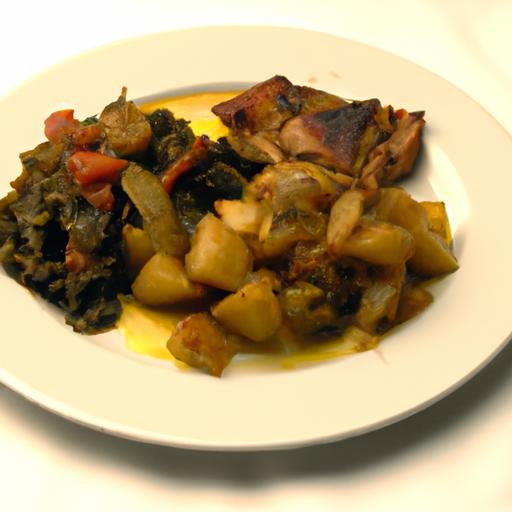


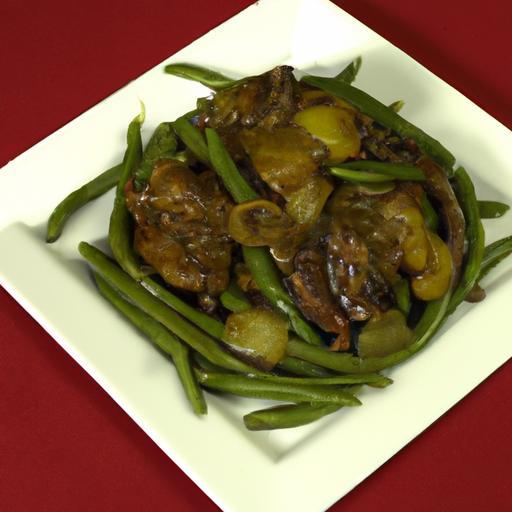
Savor the Flavors: A Journey Through African Cuisine recipes
Embark on an extraordinary culinary adventure that celebrates the rich and diverse tapestry of African cuisine. From the sun-kissed shores of Morocco to the lush landscapes of West Africa, the continent boasts a vibrant array of flavors, ingredients, and cooking traditions that tell stories as old as time. Each dish is a cultural emblem, reflecting the myriad of ethnicities, histories, and landscapes that make up Africa’s vast culinary heritage.
In this exploration of African recipes, we invite you to savor the tantalizing mixture of spices, grains, and colors that bring life to the dining table. Whether you are a novice cook eager to expand your culinary repertoire or a seasoned chef in search of inspiration, this journey will reveal the secrets behind beloved classics like fragrant jollof rice, aromatic tagines, and sweet, sticky biltong. Join us as we delve into the heart of Africa’s kitchens, where every bite is a window into the continent’s soul and every recipe holds the promise of discovery and delight. Taste the adventure-your palate is about to embark on a flavorful journey like no other!
The journey through African cuisine is a celebration of warmth, tradition, and flavor.With its diverse tapestry of ingredients, each region contributes unique culinary techniques and signature dishes that define the essence of African gastronomy. This exploration highlights the essential role of sustainable practices in African cooking, offering a modern approach that respects the planet while embracing the vibrant tastes of this rich culinary heritage. Let’s delve into a recipe that encapsulates these elements-a delightful Jollof Rice, a beloved West African staple that brings the family together around the table.
Prep and Cook time
- Prep Time: 15 minutes
- Cook Time: 35 minutes
Yield
- Servings: 6
Difficulty Level
- Medium
Ingredients
- 2 cups long-grain rice, rinsed
- 1/4 cup vegetable oil
- 1 large onion, finely chopped
- 1 red bell pepper, chopped
- 2 cloves garlic, minced
- 1 can (14 oz) diced tomatoes
- 2 cups vegetable broth
- 1 teaspoon thyme
- 1 teaspoon curry powder
- 1 teaspoon paprika
- 1/2 teaspoon cayenne pepper (optional)
- Salt and pepper to taste
- 1 cup mixed vegetables (carrots, peas, green beans)
- Fresh parsley, for garnish
Instructions
- Heat vegetable oil in a large pot over medium heat. Add the onion and sauté until soft and translucent, about 5 minutes.
- Stir in the red bell pepper and garlic, cooking for another 2 minutes until fragrant.
- Add the diced tomatoes, vegetable broth, thyme, curry powder, paprika, and cayenne pepper, stirring well to combine. Season with salt and pepper to taste.Bring to a simmer.
- Once the mixture is bubbling,add the rinsed rice. Stir to ensure it’s well incorporated.
- Cover the pot and reduce the heat to low. Allow the rice to cook for about 20-25 minutes until all liquid is absorbed and the rice is tender. Avoid lifting the lid frequently to ensure even cooking.
- In the last 5 minutes of cooking, add the mixed vegetables on top of the rice and cover again. They will steam perfectly.
- Once done,remove from heat and let it sit for 5 minutes before fluffing the rice with a fork.
- Serve warm, garnished with fresh parsley for a pop of color!
Chef’s Notes
for an aromatic boost, feel free to add a bay leaf or some star anise during the cooking process. If you prefer a robust flavor,consider incorporating smoked paprika or a splash of your favorite hot sauce. this dish can also accommodate variations of protein by adding cooked chicken, shrimp, or legumes. Additionally, leftover Jollof Rice makes for an excellent meal prep option; simply store it in the refrigerator for up to 3 days.
Serving Suggestions
Present this vibrant Jollof Rice on a large platter, allowing its colorful grains to shine luminous.Add grilled chicken skewers alongside or serve with fried plantains for a complete feast. For additional flair, sprinkle some sliced avocado or diced tomatoes on top, and don’t forget to provide a side of cooling yogurt or a tangy salad to balance the spices.
| Nutritional Info | Per Serving |
|---|---|
| Calories | 320 |
| Protein | 5 g |
| Carbs | 62 g |
| Fat | 10 g |
Embracing the rich traditions of African cooking can ignite a passion for flavorful meals steeped in history. Dive into more recipes and discover how to elevate your culinary skills with our guide to sustainable African cooking techniques, where tradition meets a modern approach.
Q&A
Q&A: Savor the Flavors: A Journey Through African Cuisine Recipes
Q: What makes African cuisine so unique compared to other world cuisines?
A: African cuisine is a vibrant tapestry woven from diverse cultures, traditions, and indigenous ingredients. Each region boasts its own unique flavors, frequently enough characterized by the use of spices, herbs, and cooking techniques that have been passed down through generations. From the aromatic tagines of North Africa to the hearty stews of West africa and the spiced grains of east Africa, every dish tells a story of the land and the people who inhabit it.
Q: Can you highlight some key ingredients often found in African recipes?
A: Absolutely! Common staples in African cooking include grains like millet, sorghum, and rice; legumes such as lentils and chickpeas; and an array of fresh vegetables. Popular spices include cumin, coriander, harissa, and ginger, while aromatics like garlic and onion form the backbone of many dishes.Fruits like plantains, cassava, and mangoes often play a crucial role, adding sweetness and texture.
Q: What are some must-try dishes from different regions of Africa?
A: It’s hard to choose just a few, but here are some highlights! From North Africa, try the fragrant Moroccan Couscous, often served with vegetables and seasoned meats. If you’re in West Africa, don’t miss the hearty Jollof Rice, a party staple made with tomatoes and spices. Moving to East Africa,savor the Ugandan Matoke,which consists of steamed green bananas served with savory sauces.Each dish is a culinary adventure waiting to be explored!
Q: How can someone start cooking African cuisine at home?
A: Embarking on a culinary journey through African cuisine at home is simpler than you might think! Start by gathering some essential spices and ingredients, which can often be found at international markets or online. Choose a few traditional recipes that appeal to you and gather your whole family for a cooking day.Don’t hesitate to explore, adjust, and experiment with the flavors, incorporating fresh and local ingredients. The key is to enjoy the process and share the meals with loved ones!
Q: Can you provide some cooking tips for beginners who want to attempt African recipes?
A: Definitely! Frist, embrace the art of seasoning - many african recipes rely heavily on spices for depth of flavor, so don’t shy away from experimenting. Secondly, be patient with cooking times; slow-cooked dishes often develop richer flavors. Lastly, remember that many African dishes are meant to be shared, so get creative and enjoy the communal aspect of dining. It’s all about bringing people together through food!
Q: Are there vegetarian or vegan options in African cuisine?
A: yes, indeed! Many African dishes celebrate plant-based ingredients. For instance,a delightful Moroccan Vegetable Tagine showcases a variety of vegetables simmered with spices,while East African Kikuyu-style Sukuma wiki,made with collard greens,is both nutritious and flavorful. explore recipes utilizing legumes, grains, and delightful vegetable medleys, ensuring you’ll find plenty of appetizing vegetarian and vegan options to enjoy!
Q: How does the culture surrounding food enhance the dining experience in African cuisine?
A: Food in African cultures is more than just sustenance; it’s an integral part of social and family life. Meals are often communal, bringing people together to share stories and experiences. Traditional gatherings, like weddings and festivals, prominently feature food as a centerpiece. This sense of community and tradition enhances the dining experience, offering a deeper recognition of the flavors on your plate.
Q: Where can readers learn more about African cuisine and find recipes?
A: There are countless resources available to explore the rich world of African cuisine! Cookbooks dedicated to regional cuisines, food blogs, and YouTube channels featuring African chefs are great places to start. Additionally, consider visiting local African eateries or participating in cooking classes to immerse yourself further in the culinary traditions. Engaging with the culture through its food will be a rewarding experience!
Dive into the world of African cuisine with an open heart and a hungry palate, and savor the flavors that await you on this incredible journey!
Closing Remarks
As we conclude our culinary expedition through the vibrant tapestry of African cuisine, we invite you to carry forth the rich flavors and stories that each recipe embodies. From the aromatic spices of North Africa to the hearty stews of the West, and the delicate grains of the East to the robust roots of Southern Africa, each dish tells a tale of tradition, heritage, and the rich diversity of this splendid continent.
Savoring these recipes is not just about the food; it’s about embracing a cultural experience that transcends borders. We encourage you to experiment in your own kitchen, allowing the fragrances and colors of Africa to inspire your culinary creations. Remember, every meal shared is a celebration of love and connection, and there’s no better way to bond with family and friends than over a beautifully prepared dish.
So, whether you’re twirling your fork through a spicy jollof rice, dipping into a creamy chakalaka, or savoring a warm injera with doro wat, let each bite transport you into a world rich with history and flavor. As you embark on your journey, may you find joy in the planning, delight in the discovery, and satisfaction in the simple pleasures of food. Happy cooking, and may the flavors of Africa fill your home with warmth and love!