

Exploring Vegan Mapo Tofu: A Plant-Based Culinary Delight
As culinary trends evolve and the plant-based movement gains momentum,one dish stands out in its ability to excite the palate while promoting a compassionate lifestyle: Mapo Tofu. Traditionally hailing from the vibrant kitchens of Sichuan cuisine,this famous dish is celebrated for its bold flavors and comforting textures.But what happens when we take a beloved recipe steeped in history and reimagine it through a vegan lens? Enter Vegan Mapo Tofu-a plant-based culinary delight that captures the essence of its meaty counterpart while inviting an entirely new audience to savor its spiciness. In this article, we’ll journey through the rich tapestry of flavors that make up vegan Mapo Tofu, exploring the creative substitutions and innovative techniques that make this dish not just an alternative, but a delicious centerpiece for any meal. Join us as we embrace the traditions of Sichuan cooking, redefined for a modern, conscious eater-one bite at a time.
Exploring vegan Mapo Tofu: A Plant-Based Culinary Delight
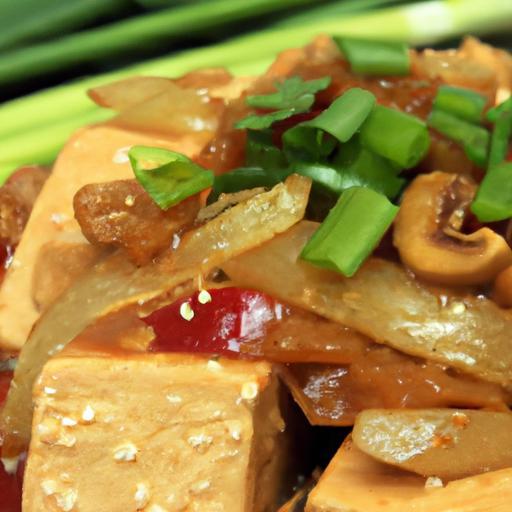
Unlocking the flavor of the beloved Mapo Tofu in a plant-based form proves that vegan cuisine can capture the essence and richness of customary dishes. Originating from the Sichuan province of China, Mapo Tofu is renowned for its bold flavors, enticing aromas, and comforting, savory aspects. Reimagining this beloved recipe not only showcases the versatility of tofu but also highlights plant-based cooking’s potential to thrill our taste buds.
Indulge in a bowl of perfectly cooked tofu, smothered in a spicy, fragrant sauce, providing an exquisite balance between heat and umami.Let’s embark on this culinary journey together!
Prep and Cook Time
- Prep Time: 15 minutes
- Cook Time: 20 minutes
Yield
- 4 servings
Difficulty Level
- Medium
Key Ingredients: Elevating Texture and Taste in Plant-Based Cuisine
- 14 oz firm tofu, pressed and cubed
- 2 tablespoons vegetable oil
- 2 shallots, finely chopped
- 4 cloves garlic, minced
- 1 tablespoon grated fresh ginger
- 2 tablespoons doubanjiang (spicy fermented bean paste)
- 1 tablespoon soy sauce
- 1 tablespoon rice vinegar
- 2 teaspoons sesame oil
- 1 cup vegetable broth
- 1 tablespoon cornstarch, mixed with 2 tablespoons water to create a slurry
- 1 teaspoon Sichuan peppercorns, ground (optional but recommended)
- Green onions, chopped for garnish
- Fresh cilantro, for garnish
Instructions
- Start by draining and pressing the tofu: Wrap the tofu in a clean kitchen towel and place something heavy on top for about 10 minutes to remove excess moisture. This allows the tofu to absorb flavors better.
- Heat the vegetable oil: In a large non-stick skillet or wok, heat the oil over medium heat. Wait until the oil is shimmering before adding the next ingredients.
- Add shallots: Sauté the chopped shallots in the hot oil until translucent, about 3-4 minutes.Stir frequently to prevent burning.
- Incorporate garlic and ginger: add the minced garlic and grated ginger, cooking for an additional minute until fragrant.
- Mix in the doubanjiang: Stir in the doubanjiang, ensuring it’s well combined with the shallots, garlic, and ginger. Sauté for another minute to deepen the flavors.
- Add sauces and broth: Stir in soy sauce, rice vinegar, sesame oil, and vegetable broth. Bring the mixture to a gentle simmer.
- Introduce the tofu: Gently add the pressed and cubed tofu to the skillet, being careful not to break it apart. Toss gently to coat the tofu with the sauce.
- Thicken the sauce: After about 5 minutes, pour in the cornstarch slurry and stir continuously until the sauce thickens, about 2-3 minutes.
- Finish with peppercorns: If using, stir in the ground Sichuan peppercorns for an authentic touch. Adjust the spice level according to your preference.
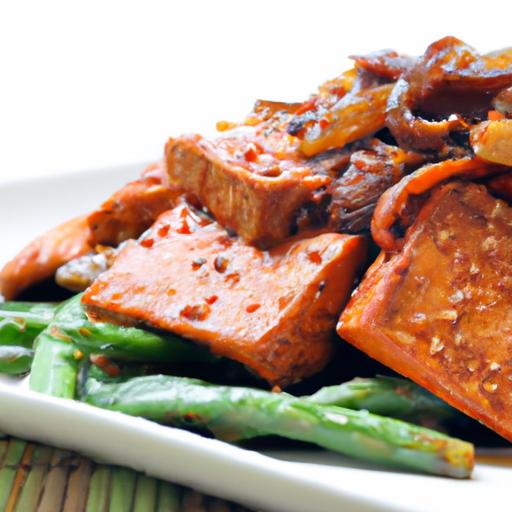
- Garnish and serve: Remove from heat and garnish with chopped green onions and fresh cilantro. Serve hot, ideally over steamed rice or alongside stir-fried vegetables.
Chef’s Notes
Here are some tips for success while crafting your vegan Mapo Tofu:
- Tofu texture: For a firmer texture, opt for extra-firm tofu. It holds up better during cooking and retains its shape.
- Spice Control: Adjust the level of doubanjiang to suit your taste. Start with a smaller amount if you prefer a milder flavor.
- Storage: Leftover mapo Tofu can be stored in an airtight container in the fridge for 2-3 days. Reheat gently before serving.
- Make Ahead: Prepare the sauce and tofu earlier in the day for a quicker dinner. Just reheat the tofu before serving.
- Substitutions: Try using tempeh rather of tofu for a diffrent texture or add vegetables like bell peppers or mushrooms for extra nutrition.
Serving Suggestions: Creative Pairings to Enhance Your Vegan Experience
Enhance your dining experience with these thoughtful pairings:
- Serve over fluffy jasmine rice to soak up all the flavorful sauce.
- Pair with steamed bok choy or sautéed green beans for a vibrant vegetable addition.
- Offer cool cucumber slices or a simple salad on the side for balance.
- Top with toasted sesame seeds for an added crunch and aromatic flair.
| Nutritional Data | per Serving |
|---|---|
| Calories | 240 |
| Protein | 15g |
| Carbohydrates | 12g |
| Fat | 18g |
Explore more about the variations of Mapo Tofu in our article on vegan Sichuan Cuisine for further inspiration!
Q&A
Q&A: Exploring Vegan Mapo Tofu: A Plant-Based Culinary Delight
Q1: What is Mapo Tofu and why is it so popular?
A1: Mapo Tofu is a classic dish from Sichuan cuisine, known for its bold flavors and delightful combination of spicy, savory, and aromatic elements. This dish typically features silken tofu in a spicy sauce made with doubanjiang (fermented broad bean paste), Sichuan peppercorns, and various seasonings. Its popularity stems from the perfect balance of textures and flavors that dance on your palate, making it a favorite among tofu enthusiasts and spice lovers alike!
Q2: How does vegan Mapo Tofu differ from the traditional version?
A2: The vegan version of Mapo Tofu swaps out animal-based ingredients without sacrificing the refined, umami flavors that make the original so beloved. While traditional recipes may use minced meat for a hearty texture, the vegan alternative often incorporates flavorful mushrooms, textured vegetable protein, or lentils to create a satisfying, plant-based protein experience. Additionally, it relies solely on plant-derived sauces and flavor enhancers, ensuring that every bite is cruelty-free and delightful.
Q3: What are some key ingredients in vegan Mapo Tofu?
A3: To create a mouthwatering vegan Mapo Tofu, consider using the following key ingredients: silken or firm tofu for the base, doubanjiang for its signature spiciness, and minced garlic and ginger for depth. Don’t forget about Sichuan peppercorns, which provide that characteristic numbing sensation, and gluten-free soy sauce or tamari for umami richness. To enhance the texture, add diced shiitake or oyster mushrooms, and finish with scallions and fresh cilantro to brighten the dish!
Q4: Are there any tips for achieving the perfect flavor balance in vegan Mapo Tofu?
A4: Absolutely! Achieving the ideal flavor profile requires a careful balance of spice, heat, and umami. Start with a less is more approach when adding doubanjiang, as its spiciness can vary. Gradually taste test as you mix it into your sauce. Incorporating a touch of sugar can help counteract spiciness while enhancing the overall flavors. Lastly, the key is to combine your ingredients over a medium heat until the flavors meld together perfectly-this builds a stunning sauce that envelops the tofu beautifully!
Q5: Can vegan Mapo Tofu be served with anything on the side?
A5: Definitely! Vegan Mapo Tofu is incredibly versatile and can be paired with a variety of side dishes.Steamed jasmine rice is the classic companion, soaking up the flavorful sauce. for a bit of crunch and freshness, serve it alongside a simple cucumber salad with a tangy sesame dressing. You might also consider stir-fried greens like bok choy or kale for a nutritious touch. Each side adds a new dimension that makes for a well-rounded meal!
Q6: Is vegan Mapo Tofu suitable for meal prep?
A6: Yes, vegan Mapo Tofu is perfect for meal prep! Its flavors only get better as they mingle over time, making it a delightful option for lunches or dinners throughout the week. Prepare a batch, divide it into containers, and store it in the fridge. Just reheat when you’re ready to enjoy, and consider topping it with fresh herbs or extra chili oil to rejuvenate its taste before serving. It’s a fantastic way to keep nutritious meals on hand!
Q7: Where can one find inspiration for cooking vegan Mapo Tofu?
A7: Inspiration for cooking vegan Mapo Tofu can come from numerous sources! Look for vegan cookbooks focusing on Asian cuisine, or explore food blogs dedicated to plant-based meals. Social media platforms like Instagram and TikTok can provide visual tutorials that spark creativity. Additionally, consider joining cooking classes that emphasize plant-based adaptations of traditional dishes, allowing you to connect with fellow culinary explorers and share tips along the way!
Wrapping Up
As we conclude our flavorful journey through the art of vegan Mapo Tofu, it’s clear that this plant-based rendition of the beloved Sichuan classic is more than just a dish-it’s an invitation to explore vibrant textures and harmonious flavors that embrace the essence of culinary innovation. With each aromatic spice and velvety tofu create a symphony of taste that not only satisfies the palate but also aligns with a compassionate lifestyle.
Whether you’re a seasoned vegan or simply curious about diversifying your dining experience, making vegan Mapo Tofu at home can open up a world of creative cooking. So, gather your ingredients, don your apron, and let your kitchen become a canvas where tradition meets modern plant-based artistry.
As you savor each bite, remember that cooking is an exploration-a delightful adventure that transcends cultures and brings people together. So, go ahead, ignite your culinary curiosity, and let vegan Mapo Tofu inspire your next meal. Happy cooking!