

Reimagining Tradition: Fresh Takes on Arabic Sweets
As the sun sets over bustling bazaars and ancient souks,the air is thick with the intoxicating aroma of honey,cardamom,and rosewater. Arabic sweets, with their rich histories and diverse flavors, have long been cornerstones of celebrations, hospitality, and cultural heritage across the Arab world. But what happens when age-old recipes meet contemporary culinary creativity? In this exploration of “Reimagining Tradition: Fresh Takes on Arabic Sweets,” we invite you to embark on a delectable journey that fuses time-honored techniques with innovative twists. From reinventing classic baklava to introducing unexpected ingredients,artisans and home bakers alike are breathing new life into conventional confections. Join us as we delve into this sweet conversion, showcasing the vibrant interplay between the past and the present, and celebrating a dessert culture that is as dynamic as it is appetizing. Whether you’re a seasoned foodie or a curious novice, this article will inspire you to savor the enchantment of Arabic sweets redefined for the modern palate.
Reimagining tradition in the world of Arabic sweets is a delicious journey through history, culture, and creativity. These treats, which have delighted palates for generations, invite a modern twist that reinvents their classic flavors while honoring their rich heritage. By using innovative ingredients and clever culinary techniques,we can elevate the presentation and intertwine these delicacies with global influences,creating a unique dessert experience that is both nostalgic and novel.
Prep and Cook Time
Prep Time: 20 minutes
Cook Time: 30 minutes
Yield
12 servings
Difficulty Level
Medium
Ingredients
- 1 cup semolina flour
- ½ cup all-purpose flour, sifted
- ½ cup unsalted butter, melted
- 1 cup yogurt
- ⅓ cup sugar
- 1 tsp baking powder
- ¼ tsp salt
- ½ cup rose water
- 1 cup crushed pistachios for garnish
- 1/2 cup honey for drizzling
Instructions
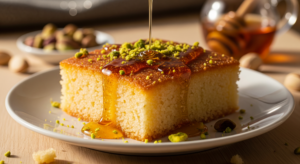
- preheat your oven to 350°F (175°C) and grease a 9×13-inch baking dish.
- In a large mixing bowl, combine semolina flour, all-purpose flour, sugar, baking powder, and salt. Stir well to ensure even distribution.
- In another bowl, mix together the melted butter, yogurt, and rose water. Whisk until smooth.
- Gradually fold the wet mixture into the dry ingredients, stirring gently until just combined. Do not overmix; a few lumps are okay.
- Pour the batter into the prepared baking dish and smooth the top with a spatula.
- Bake for 30 minutes or until the top is golden brown and a toothpick inserted in the center comes out clean.
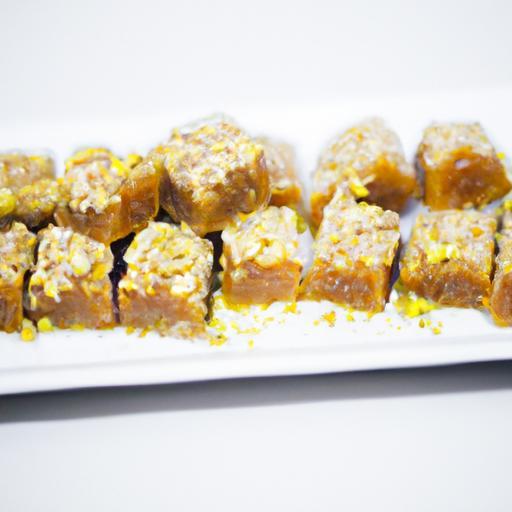
- remove from the oven and let it cool for about 10 minutes. Cut into squares while still warm.
- Drizzle each piece with honey and sprinkle with crushed pistachios for an extravagant finish.
Chef’s Notes
For a fruity twist,consider adding small pieces of dried apricot or figs into the batter before baking. If you’re looking for a dairy-free option,replace the yogurt with a plant-based option such as coconut yogurt. This can enhance the dish’s overall flavor while catering to various dietary preferences.
Serving Suggestions
To elevate your presentation, consider serving the sweet squares on a beautifully adorned platter, garnished with a sprinkle of additional crushed pistachios and a light dusting of powdered sugar. Pair these delights with a steaming cup of mint tea or an Arabic coffee to create a complete dining experience that warms the heart and soul.
| Nutritional Facts | Per Serving |
|---|---|
| Calories | 150 |
| Protein | 3g |
| Carbohydrates | 20g |
| fat | 7g |
Q&A
Q&A: Reimagining Tradition – Fresh Takes on Arabic Sweets
Q1: What inspired the modern reinterpretation of traditional Arabic sweets?
A1: The inspiration largely stems from a growing desire to innovate while honoring cultural heritage.Chefs and home bakers are exploring new textures,flavors,and presentation styles to breathe new life into beloved classics. This journey often involves combining traditional ingredients with unexpected components, infusing a modern twist that often resonates with both younger generations and international palates.
Q2: Can you give examples of traditional Arabic sweets that have been reinvented?
A2: absolutely! take Baklava, for instance. Chefs are experimenting with various nut mixtures, infusions of citrus zest, or spiced syrups that incorporate flavors like cardamom and rose.Another classic, Knafeh, has seen creative variations that include fillings such as mango or pistachio cream. Additionally, traditional Maamoul cookies now come with innovative fillings like salted caramel or chocolate, making them appealing to a wider audience.
Q3: How do these fresh takes retain the essence of traditional Arabic sweets?
A3: The magic lies in maintaining core elements that capture the quintessence of Arabic sweets-layers of pastry, rich nut fillings, and aromatic syrups. Creative chefs use these foundational elements while introducing modern touches, ensuring that even the most innovative versions still evoke the nostalgia and cultural significance that inspired them. This balance allows the sweets to tell a story-one that connects the old with the new.
Q4: Are there any specific ingredients that are gaining popularity in modern Arabic sweets?
A4: Yes! Ingredients like date syrup, tahini, and date paste are finding their way into many contemporary recipes, adding both sweetness and unique flavor profiles that are deeply rooted in the region’s culinary identity. Additionally, superfoods like pistachios and almonds are used artistically-often in combination with unique spices such as saffron or sumac, enhancing both nutritional value and taste without straying to far from tradition.
Q5: How is presentation changing the way Arabic sweets are perceived?
A5: Presentation is a key aspect of modern pastry art, especially within the realm of Arabic sweets. Traditional treats are often meticulously layered and stacked, but contemporary interpretations are focusing on visual appeal that draws on modern aesthetics. Bright colors, artistic plating, and even deconstructed forms create a visual feast that not only captures attention but also invites a new recognition for the time-honored craftsmanship behind these confections.
Q6: What role do social media and food trends play in the evolution of Arabic sweets?
A6: Social media is a significant driver of culinary trends, and Arabic sweets are no exception. Platforms like Instagram have allowed innovative makers to showcase their creations to a global audience,encouraging others to experiment and share their interpretations. The visual nature of these platforms fuels creativity, leading to the emergence of viral dessert trends that combine cultural authenticity with the allure of the new and unexpected.
Q7: How can those interested in exploring these modern Arabic sweets start their journey?
A7: The best way to start is by visiting local patisseries and trying out their modern takes on arabic sweets. Additionally, many cookbooks and online recipes focus on these innovative versions, offering step-by-step guides and tips. Engage with culinary communities,whether online or in-person,to discover unique ideas,ingredient combinations,and flavor profiles that can ignite your own creativity in the kitchen!
Q8: What’s the future of Arabic sweets in the culinary world?
A8: The future looks incredibly promising! With chefs and home bakers continuously pushing the envelope,we can expect to see even more inventive flavors and combinations,as well as greater integration of health-conscious ingredients. The goal remains to keep the spirit of the tradition alive while making these beloved sweets accessible to everyone, nonetheless of age or culture. As more people around the world discover the rich tapestry of Arabic desserts, innovation will flourish, bridging culinary legacies with contemporary tastes.
In Summary
As we bid adieu to our exploration of “Reimagining Tradition: Fresh Takes on arabic Sweets,” we find ourselves at a delightful crossroads where the cherished flavors of the past meet the innovations of the present. These sweet creations are more than desserts; they are edible stories that pay homage to rich heritages while inviting a new generation to savor their essence. Whether it’s a modern twist on baklava drizzled with saffron-infused honey or a vibrant, fruit-infused kunafa, each bite encourages us to celebrate not only the culinary mastery of tradition but also the creativity that propels it forward.
In a world where cultural practices continuously evolve, these reimagined arabic sweets remind us that traditions should not remain static. Rather, they’re meant to be celebrated, adapted, and shared-bridging generations and cultures in the process. So, as you embark on your own journey in the kitchen or at the local patisserie, remember that the art of creating desserts is an invitation to explore, experiment, and connect with the past, enriching your palate with history and innovation in every delectable morsel.
May the flavors of nostalgia and creativity inspire countless sweet adventures ahead!