

Bringing the Bazaar Home: Delectable Middle Eastern Street Food
Imagine stepping into a vibrant street market, where the air is infused with tantalizing aromas of spices and grilled meats, and the sounds of sizzling pans mingle with the laughter of vendors and visitors. The bustling energy of a Middle Eastern bazaar transports you to a world filled with rich culinary traditions, each dish telling a story of heritage and community. In this article, we invite you to embark on a flavorful journey as we explore the essence of Middle Eastern street food-a tapestry of tastes, textures, and colors that you can recreate in your own kitchen. Whether itS the crispy delight of falafel, the smoky allure of shawarma, or the sweet indulgence of baklava, these dishes not only tantalize the palate but also bring a slice of the Middle East into your home. Join us as we delve into the recipes, techniques, and cultural significance behind these beloved street snacks, and learn how to transform your dining table into a bustling bazaar of its own.
Discovering the Flavors of the Souks: A Culinary journey Thru Middle Eastern Street Food
Bringing the bazaar home means enveloping your senses in the vibrant aromas and bold flavors of Middle eastern street food.Whether it’s the tantalizing spices of falafel frying or the warm, inviting scent of freshly baked pita, these culinary treasures transport you to lively souks filled with bustling vendors and enthusiastic food lovers.This culinary journey begins with essential ingredients that make Middle Eastern street cuisine unforgettable.
Prep and Cook Time
- Prep time: 30 minutes
- Cook time: 20 minutes
Yield
- Servings: 4
Difficulty Level
- Easy
Essential Ingredients for Authentic Dishes: Stocking Your Pantry with Bold Flavors
- 1 cup dried chickpeas, soaked overnight
- 1 teaspoon baking soda
- 1 cup fresh parsley, chopped
- ½ cup fresh cilantro, chopped
- 1 small onion, chopped
- 3 cloves garlic, minced
- 2 teaspoons ground cumin
- 1 teaspoon ground coriander
- ½ teaspoon cayenne pepper
- Salt and pepper to taste
- ½ cup flour
- Oil for frying
- Pita bread, for serving
- Tahini sauce, for drizzling
- Fresh vegetables (e.g.,tomatoes,lettuce,pickles) for garnish
Step-by-Step Recipes: Recreating Classic Street Food Staples in Your Own Kitchen
- Prepare the Chickpeas: Drain and rinse the soaked chickpeas. Place them in a food processor along with the parsley, cilantro, onion, garlic, cumin, coriander, cayenne, salt, and pepper. Pulsate until the mixture is coarse but combined.
- Add the Flour: Transfer the mixture to a bowl and fold in the flour. The batter should hold together but not be too wet. Cover and refrigerate for 30 minutes.
- Heat the Oil: In a deep pot or skillet,heat about 2 inches of oil over medium heat.To check if it’s ready, drop a small amount of batter into the oil; it should sizzle and rise to the surface.
- Fry the Falafel: Using your hands,form 1-inch balls or patties from the batter. Fry them in batches, making sure not to overcrowd the pan. Cook until golden brown, about 3-4 minutes per side. Use a slotted spoon to transfer them to a paper towel-lined plate.
- Assemble the Dish: Serve the falafel warm in pita bread with your choice of toppings: fresh vegetables, pickles, and a generous drizzle of tahini sauce.
chef’s notes or Tips for Success
- Chickpea Varieties: If short on time, you can use canned chickpeas, but for the best texture and flavor, dry chickpeas are preferred.
- Make-Ahead: Falafel can be prepared in advance and frozen before frying. Simply shape and freeze them.Fry from frozen when ready to serve.
- Oil Temperature: Maintaining the right oil temperature while frying is crucial for crispiness. If the oil is too hot, the outside will burn before the inside cooks. If too cool, the falafel will become greasy.
Serving Suggestions
Plate your falafel within soft pita bread and fill it generously with crunchy vegetables, fresh herbs, and a drizzle of tahini sauce. For an authentic touch, consider serving with a side of smooth hummus and tabbouleh salad. Garnish with lemon wedges for an extra burst of freshness, and don’t forget the aromatic spices sprinkled on top!
| Nutritional Information | Per Serving |
|---|---|
| Calories | 280 |
| Protein | 15g |
| Carbohydrates | 35g |
| Fat | 12g |
Feel free to visit this authoritative guide on Middle Eastern cooking techniques to delve even deeper into the nuances of this richly spiced cuisine. When you bring the bazaar home, you’re not just cooking; you’re creating an experience filled with culture, warmth, and flavor.
Q&A
Q&A: Bringing the Bazaar Home: Delectable Middle Eastern Street Food
Q: What is Middle Eastern street food, and what makes it so special?
A: Middle Eastern street food is a vibrant tapestry of flavors, colors, and textures that reflect the rich cultural heritage of the region. It celebrates communal eating and the art of cooking over open flames, with dishes crafted from fresh ingredients and fragrant spices. What sets it apart is the blend of savory and sweet, the crunch of fresh vegetables, and the tenderness of warm breads, making each bite an adventure in flavor.
Q: Can you share some iconic Middle Eastern street food dishes that can be made at home?
A: Absolutely! A few must-try dishes include:
- Falafel: These crispy chickpea balls, seasoned with herbs and spices, are perfect for dipping in tahini sauce and stuffing into pita bread.
- Shawarma: Thinly sliced marinated meats, ofen served with pickles, garlic sauce, and fresh vegetables in pita or flatbreads, embody the essence of street food.
- Baba ganoush: A smoky, creamy eggplant dip paired with warm pita is a perfect starter or party snack.
- Sambousek: These flaky pastries can be filled with spiced potatoes, cheese, or lentils and are ideal for a quick bite.
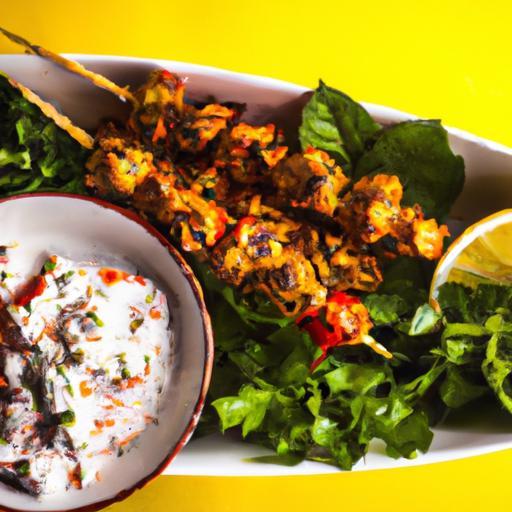
- Kofta: Seasoned ground meat skewers,grilled to perfection and served with tangy sauces,are sure to impress your family and friends.
Q: What are some essential ingredients to keep on hand for Middle Eastern street food?
A: Stocking your pantry with staples can elevate your cooking. Look for chickpeas, lentils, bulgur wheat, tahini, sumac, cumin, coriander, garlic, fresh herbs like parsley and mint, and olive oil. Don’t forget fresh produce like tomatoes, cucumbers, and eggplant-they’re key to creating fresh, vibrant dishes.
Q: How can I recreate the bustling atmosphere of a Middle Eastern bazaar in my kitchen?
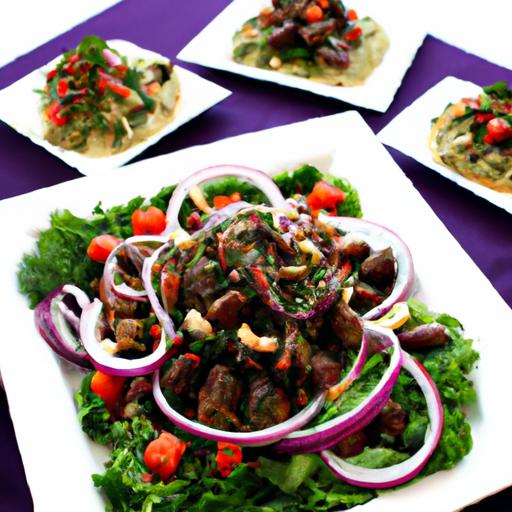
A: Transform your kitchen into a bazaar by emphasizing the communal aspect of dining! Set up a colorful spread of dishes on a large table where everyone can share. Use decorative serving dishes and garnish with fresh herbs or spices to enhance presentation. Play Middle Eastern music in the background for an immersive experience, and encourage everyone to mix and match flavors to create their own unique culinary masterpieces.Q: Are there any tips for cooking Middle Eastern street food that might surprise me?
A: One helpful tip is to let your ingredients shine! Many Middle Eastern dishes thrive on simple readiness methods that highlight fresh ingredients. As a notable example, allow your herbs and spices to bloom in olive oil over low heat before adding other ingredients.Also, don’t hesitate to experiment with textures-such as pairing crispy falafel with creamy dips or crunchy pickled vegetables.
Q: What beverages pair well with middle Eastern street food?
A: While customary bazaar evenings frequently enough include vibrant non-alcoholic drinks, consider serving refreshing beverages like mint lemonade, rose water-infused drinks, or yogurt-based Ayran. These options cleanse the palate and beautifully complement the spices in your meal.
Q: How can I adapt Middle Eastern street food recipes for various dietary needs?
A: Many Middle Eastern dishes are inherently vegetarian or vegan, but if you’re looking for gluten-free options, consider using corn or chickpea flour for your fritters or wraps. Lentils and beans can be customized to fit different diets; for example, substituting meat in kofta with lentils or mushrooms can create a delicious, plant-based alternative.
Q: what is the best way to enjoy Middle Eastern street food with friends and family?
A: The heart of Middle Eastern cuisine is sharing, so consider hosting a small feast where everyone can build their own plates. set up a burger bar with different proteins, toppings, and sides, allowing guests to personalize their meals. Encourage storytelling and sharing of culinary experiences as you savor the diverse flavors together.
By bringing these delectable Middle Eastern street food flavors into your home,you’ll not only savor the taste of the bazaar but also experience the warmth of sharing meals with loved ones.
The Conclusion
as we wrap up our culinary journey through the vibrant world of Middle Eastern street food, we invite you to step into your own kitchen and transform your dining table into a bustling bazaar. Each dish tells a story, woven from centuries of tradition and enriched by the rich spices of the region.From the fragrant allure of shawarma sizzling on a spit to the comforting embrace of warm falafel, these recipes not only nourish the body but also foster a sense of community and connection.
Remember, the essence of street food transcends mere ingredients; it invites us to gather, share, and celebrate the flavors of life. So, don your apron, unleash your creativity, and bring the spirit of the bazaar into your home. Whether you’re hosting a lively dinner party or enjoying a cozy meal for one, let the aromas and tastes transport you to the sun-soaked streets of the Middle East.
As you embark on this delicious adventure, don’t forget to infuse each meal with love and laughter-because the best moments are those shared around the table. Happy cooking!