

Deliciously Luscious: the Sweet Story of Zalabia Fritters
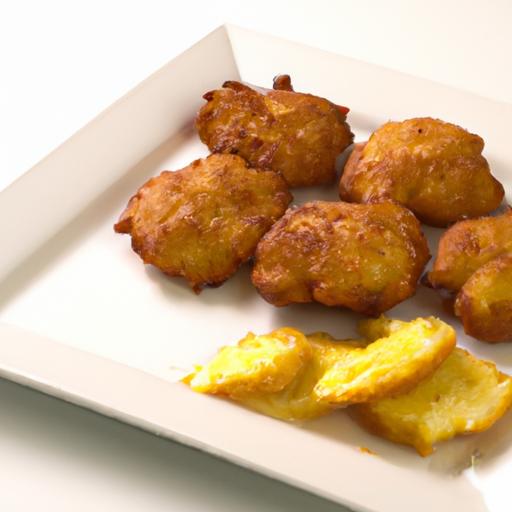
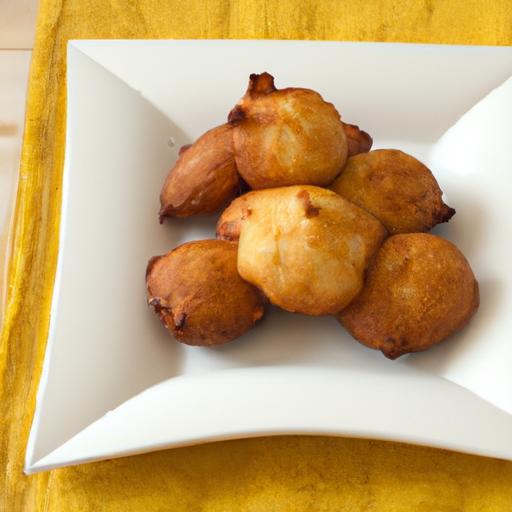
From the bustling streets of North Africa to the vibrant markets of the Middle East, few treats have sparked joy and delight quiet like Zalabia fritters. Picture this: golden, spiraled pastries that shimmer wiht sugary syrup, tempting anyone who catches a glimpse. But these delightful morsels are more than just a feast for the senses; they are a party of culture,tradition,and shared memories. In this article, we will embark on a mouthwatering journey that traces the origins of Zalabia, exploring its past roots, variations across regions, and the secret to achieving the perfect crunch and sweetness. Whether you are a culinary enthusiast or an adventurous food lover,prepare to dive into the luscious world of Zalabia fritters and discover the heartwarming stories woven into every sugary bite.
The Irresistible Allure of Zalabia Fritters unveiled
Delving into the world of Zalabia fritters is akin to embarking on a sweet tapestry of culinary traditions.Often enjoyed during festive occasions or as a street-side snack, these golden morsels of delight boast a crispy exterior and a syrup-soaked interior that sings with flavor. Originating from the Middle East and North Africa, these delightful fritters have captivated hearts and taste buds for centuries.I still remember the frist time I had a taste-freshly fried and drizzled with a honey syrup, it was love at first bite. Join me as we unravel the art and science behind crafting the perfect Zalabia fritters, making every occasion a celebration.
Prep and Cook Time
Prep Time: 30 minutes
Cook Time: 15 minutes
Yield
This glorious recipe serves 4-6 people-perfect for sharing with family or friends!
Difficulty Level
Easy
Ingredients
- 1 cup all-purpose flour,sifted
- 1/2 cup warm water
- 1/4 cup sugar
- 1 teaspoon instant yeast
- 1/2 teaspoon baking powder
- 1/4 teaspoon salt
- 2 tablespoons milk
- 1 pinch of saffron threads (optional for color)
- Oil for frying (vegetable or sunflower)
- 1 cup sugar (for syrup)
- 1/2 cup water (for syrup)
- 1 tablespoon lemon juice (for syrup)
Instructions
- In a mixing bowl,combine the flour,sugar,instant yeast,baking powder,and salt.Stir until well mixed.
- Slowly add the warm water and milk. Mix with a spoon until you form a thick batter. If using, add the saffron to the batter for added color and flavor.
- Cover the bowl with a kitchen towel and let it rise in a warm area for about 30 minutes until it has doubled in size.
- Simultaneously occurring, prepare the syrup. In a small saucepan,combine 1 cup sugar,1/2 cup water,and the lemon juice. Bring to a gentle boil and simmer for 5-7 minutes until slightly thickened. Set aside to cool.
- Once the batter has risen, heat oil in a shallow pan or deep fryer to 350°F (175°C).
- Using a spoon or a piping bag with a round tip, drop small dollops of batter into the hot oil. Fry until golden brown, about 2-3 minutes on each side. Do not overcrowd the pan.
- Remove with a slotted spoon and drain on paper towels before drizzling warm syrup over the fritters.
Chef’s Notes
Here are some tips to ensure your Zalabia fritters turn out perfectly:
- If the batter is too thick, add a little more warm water until you reach a pourable consistency.
- For a unique twist, try flavoring the syrup with cardamom or orange blossom water for an aromatic finish.
- Make ahead: You can prepare the batter a few hours in advance and simply let it rise when you’re ready to fry.
- If the fritters seem dense, ensure you are allowing the yeast to activate properly before frying.
Serving Suggestions
For a visually stunning presentation, serve your Zalabia fritters on a lovely platter with a generous drizzle of warm syrup. Garnish with crushed pistachios or toasted coconut flakes to add texture and a pop of color. Pair with a dollop of yogurt on the side for a creamy contrast or serve with a steaming cup of Moroccan mint tea to enhance the experience.
| Nutritional Facts | Per Serving |
|---|---|
| Calories | 300 |
| Protein | 4g |
| Carbs | 65g |
| Fat | 10g |
flavor Variations: Elevating Your Zalabia Experience
Once you’ve mastered the classic Zalabia fritters, why not experiment with flavors? Incorporate ground cinnamon or nutmeg into the batter for warming spices, or replace a portion of the flour with almond flour for a nutty twist. You could even try dipping the finished fritters in chocolate for a decadent dessert!
A Culinary Journey: Zalabia Fritters Around the World
This delightful treat is not confined to just one culture.Across different countries, Zalabia fritters are celebrated and enjoyed in unique ways. In Egypt, they are often served with a dusting of powdered sugar and served alongside baskets of fresh fruits. In Tunisia, they might potentially be flavored with orange blossom essence and paired with sweet mint tea. Understanding these regional variations not only deepens your appreciation for the dish but also inspires you to explore new culinary experiences.

Q&A
Q: What are Zalabia fritters, and what makes them so special?
A: Zalabia fritters are delightful, deep-fried pastries that achieve a perfect balance between crispiness and fluffiness. Traditionally enjoyed in various cultures, notably in the Middle East and North Africa, these golden treats are often drizzled with honey or syrup, adding an irresistible sweetness that leaves everyone craving more. Their unique spiral shape and airy texture not only make them a visual delight but also elevate their taste, creating a joyous experience with every bite.
Q: How did Zalabia fritters come to be?
A: The roots of Zalabia can be traced back to ancient culinary traditions, where they were crafted during festive occasions and communal celebrations. The name itself is derived from the Arabic word “zalab,” which means to swirl, aptly describing the intricate spirals of the fritters.Over the years, this beloved treat has evolved, blending different regional flavors and techniques, but it has always remained a symbol of festivity and togetherness.
Q: What are the key ingredients in making Zalabia fritters?
A: To make these sumptuous fritters, you’ll need simple yet flavorful ingredients: all-purpose flour, sugar, yeast, and a pinch of salt, all combined to create a batter that’s both thick and airy. The dough is allowed to rise, developing a light texture before being fried to a golden perfection. After frying, Zalabia is typically coated with warm syrup or honey, enhancing its sweetness and adding a glossy finish that’s simply irresistible.
Q: Can Zalabia fritters be enjoyed in different ways?
A: Absolutely! While the classic version is often served with syrup, creative interpretations abound. Some enjoy them sprinkled with sesame seeds, dusted with powdered sugar, or even paired with aromatic spices like cinnamon. For a modern twist, you might find Zalabia served alongside fresh fruits or even as decadent ice cream toppings. Their versatility makes them suitable for various occasions, from casual snack times to elegant dessert presentations.
Q: What occasions are perfect for enjoying Zalabia fritters?
A: zalabia fritters are a staple during celebrations and special occasions. They frequently enough grace tables during the holy month of Ramadan, Eid festivities, and family gatherings.Their playful nature evokes happiness, making them an ideal treat for weddings, birthdays, and cultural festivities. Whether enjoyed in a festive setting or simply as a delightful afternoon snack, they are sure to bring smiles and sweet memories!
Q: How can one make sweeter variations of Zalabia fritters?
A: Sweetening your Zalabia fritters can be as simple as enhancing the syrup! Consider infusing the syrup with flavors such as rose water, orange blossom, or even vanilla for a fragrant twist. Additionally,experimenting with flavored batters-by adding cocoa powder or spices like cardamom-can bring delightful new tastes to this conventional treat. Remember, presentation is key; garnish with colorful sprinkles or crushed nuts for added beauty and flavor!
Q: Are there any cultural stories associated with Zalabia fritters?
A: Certainly! In various cultures, Zalabia fritters are frequently enough linked to traditions that celebrate unity and joy. In many households, the act of preparing and frying these fritters is passed down through generations, turning the cooking process into a cherished family ritual. In some regions,they symbolize the sweetness of life and are offered to guests as a sign of hospitality and goodwill,embodying the spirit of sharing and community bonding.
Q: Where can one find the best Zalabia fritters today?
A: In modern culinary landscapes, you can find Zalabia fritters in Middle Eastern bakeries, sweet shops, and restaurants specializing in global cuisine. With the rise of food festivals and cultural fairs, tasting these iconic treats has never been easier. If you’re feeling adventurous,try making them at home! With some simple ingredients and a bit of practice,you can create your own batch of Zalabia that rivals your favorite local shop.
indulge in the deliciously luscious story of Zalabia fritters, and let the sweet journey begin!
Final Thoughts
As we savor the last bites of Zalabia fritters and revel in their sweet, syrupy embrace, we find ourselves not just indulging in a dessert but also participating in a rich tapestry of history and culture. These delightful treats have journeyed through time, from bustling street markets to festive gatherings, embodying the essence of joy and celebration with every crispy, honey-drizzled morsel.Whether enjoyed solo as a guilty pleasure or shared among friends and family, Zalabia fritters hold the power to spark nostalgia and create new memories. So, the next time you relish these golden spirals of bliss, take a moment to appreciate their storied past, the skillful hands that craft them, and the countless smiles they generate.
As we close this chapter on the delectable world of Zalabia,let your palate continue to explore and embrace the delightful flavors that bring us all together. After all, in the sweet story of food, every bite is a new page waiting to be turned. Happy tasting!