

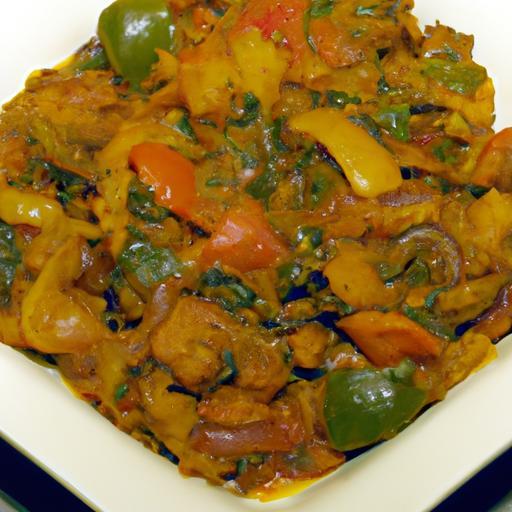
Savor the Richness: Discover Authentic African recipes
Embark on a culinary adventure that transcends borders and awakens the senses as we delve into the vibrant world of authentic African recipes. Africa, a continent brimming with diverse cultures, traditions, and flavors, offers a feast that tells stories of heritage and connection. From the aromatic spices of North Africa’s tagines to the heartwarming stews of West Africa, each dish is a tapestry woven from the land’s rich history and the people’s passion for food. In this article, we invite you to explore the essence of African cuisine, celebrating its ingredients, techniques, and the communal joy of sharing a meal. Weather you’re a seasoned chef or a curious novice, prepare to savor the richness of flavors that have shaped generations and continue to inspire palates around the globe. Let the journey begin!
Savor the Richness: Discover Authentic African Recipes
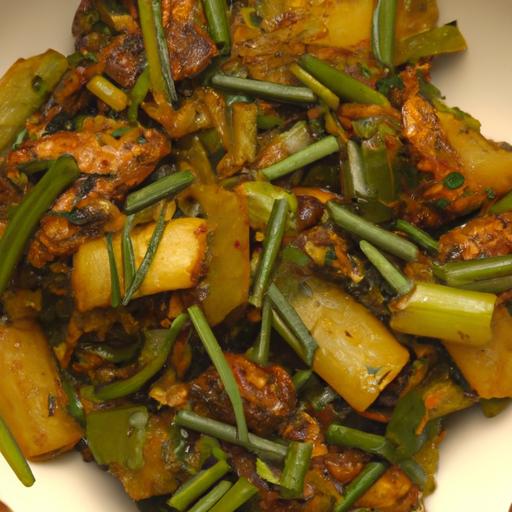
In this culinary journey, we delve into the heart of Africa’s diverse gastronomic landscape, unveiling the conventional ingredients that not only define the continent’s unique dishes but also tell the stories of its people. Each region boasts its own signature flavors, shaped by ancient exchanges, local produce, and time-honored cooking methods. Here, you’ll learn to create a delicious and authentic dish that captures the essence of Africa’s rich culinary heritage. Discover how to embrace these vibrant recipes and bring a piece of Africa into your kitchen.
Prep and Cook Time
Prep Time: 20 minutes
cook Time: 1 hour
Total Time: 1 hour 20 minutes
Yield
Servings: 4-6 servings
Difficulty Level
Level: Medium
Ingredients
- 1 lb boneless chicken thighs, cut into bite-sized pieces
- 2 tablespoons vegetable oil
- 1 large onion, finely chopped
- 3 cloves garlic, minced
- 1 teaspoon ground ginger
- 1 teaspoon ground cumin
- 1 teaspoon ground coriander
- 1 teaspoon turmeric powder
- 1 medium tomato, diced
- 1 cup coconut milk
- 2 cups fresh spinach, roughly chopped
- Salt and pepper to taste
- Cooked rice or flatbreads, for serving
Instructions
- Heat the oil: in a large skillet over medium-high heat, add the vegetable oil and allow it to warm.
- Sauté the aromatics: Add the chopped onions and garlic to the skillet. Cook until the onions are translucent, about 5 minutes, stirring occasionally.
- Add the spices: Stir in the ginger, cumin, coriander, and turmeric. Sauté for another 1-2 minutes to release the flavors.
- Cook the chicken: Add the chicken pieces to the skillet. Season with salt and pepper. Cook until the chicken is browned on all sides, about 7-10 minutes.
- Incorporate the tomatoes: Mix in the diced tomato and cook for 2 minutes until softened.
- Pour in the coconut milk: Reduce the heat to medium-low and add the coconut milk. Stir well to combine.
- Simmer: Let the mixture simmer for 15-20 minutes until the chicken is cooked through and the sauce has thickened slightly.
- Add the spinach: Stir in the chopped spinach and cook for an additional 3 minutes until the spinach wilts.
- Adjust seasoning: Taste the dish and adjust the seasoning with more salt and pepper if needed.
Chef’s Notes
Variations: Feel free to substitute chicken with chickpeas or to add seasonal vegetables such as bell peppers or carrots for a colorful twist.
Make-ahead: This dish can be prepared a day in advance. Store in an airtight container in the refrigerator and reheat gently before serving.The flavors will deepen overnight!
Substitutions: If coconut milk is unavailable,try almond milk or any dairy-free cream for a similar creamy texture.
Serving Suggestions
To present your dish, serve it hot over a bed of fluffy rice or alongside warm flatbreads.Garnish with fresh herbs like cilantro or parsley for a vibrant pop of color. A squeeze of lime juice over the top will enhance the flavors and add a fresh zest!
| Nutritional Facts | Per Serving |
|---|---|
| Calories | 400 |
| Protein | 25g |
| Carbohydrates | 30g |
| Fat | 20g |
Discover More
Emphasizing the culinary diversity of Africa isn’t just about savoring the rich flavors of individual dishes; it’s also about understanding the cultural context within which these foods are enjoyed. explore more recipes like our Spicy Maafe, a traditional peanut stew that perfectly complements the Mozambique climate.
Q&A
Q&A Section for “Savor the Richness: Discover authentic African Recipes”
Q1: What makes African cuisine so unique and diverse?
A1: African cuisine is a vibrant tapestry woven from an array of cultures, traditions, and landscapes. Each region boasts its own unique flavors, ingredients, and cooking techniques, influenced by local agriculture, climate, and history. the rich use of spices, grains, legumes, and vegetables, combined with traditional cooking methods, from grilling to steaming, provides a culinary adventure that varies from the spiced tagines of North Africa to the hearty stews of West Africa.
Q2: Can you highlight some key staple ingredients commonly found in African recipes?
A2: Absolutely! African recipes often feature staple ingredients such as grains like millet, sorghum, and couscous. legumes, such as chickpeas and lentils, add protein and texture. You’ll find a wide array of vegetables, including okra, eggplant, and diverse greens like collard and amaranth. Spices such as ginger, garlic, coriander, and cumin are essential for creating the bold flavors characteristic of African cooking.
Q3: Are ther any popular African dishes that are a must-try for newcomers?
A3: Certainly! Some iconic dishes include:
- Jollof Rice: A flavorful one-pot rice dish cooked in a rich tomato sauce, frequently enough served with fried plantains.
- Bobotie: A Cape Malay classic made with spiced minced meat and topped with a creamy custard.
- Injera: A tangy fermented flatbread from Ethiopia, usually served with various stews and lentils.
- Bunny Chow: A South African street food that consists of a hollowed-out loaf of bread filled with curry, reflecting the fusion of Indian and African flavors.
Q4: How can beginners start cooking authentic African dishes at home?
A4: Beginners can dive into African cooking by starting with simple recipes that require few ingredients. It’s advisable to gather essential spices and staple ingredients mentioned earlier. Many recipes highlight one-pot meals, making them easier to manage. Online resources and cookbooks dedicated to African cuisine can provide step-by-step guidance, along with stunning visuals to inspire your culinary journey. Don’t hesitate to experiment and adjust flavors to suit your palate!
Q5: What role do food and cooking play in African culture?
A5: Food is deeply intertwined with African culture, acting as a medium for community bonding, festivity, and tradition. Meals are often a communal affair,bringing families and friends together to share stories and values over a sumptuous spread. cooking also honors heritage; many recipes are passed down through generations, preserving culinary traditions and regional identities. Festivals and special gatherings frequently center around food, showcasing the communal spirit that defines African culture.Q6: Are there any health benefits associated with traditional African cooking?
A6: indeed! Traditional African cooking emphasizes whole, natural ingredients packed with nutrients. The use of legumes offers a grate source of protein and fiber, while both fresh vegetables and grains provide essential vitamins and minerals. Many traditional dishes are low in processed ingredients, which makes them not only delicious but healthy as well. Additionally, the variety of spices used can have anti-inflammatory properties, adding culinary flavor alongside health benefits.
Q7: How can anyone add some african flair to their everyday meals?
A7: Adding African flair can be as simple as incorporating key spices commonly used in African cooking into your everyday dishes. Experiment with flavors like ginger, cumin, or paprika in soups, stews, or marinades. Additionally, trying out traditional techniques such as grilling meats and vegetables or making flatbreads can enhance your cooking repertoire.Start with one African dish per week and gradually introduce the diverse flavors to your mealtime routine to create a delightful fusion of tastes!
Explore your culinary curiosity and let the richness of African recipes add new dimensions to your food experience!
To Conclude
As we conclude our culinary journey through the diverse and vibrant landscapes of African cuisine, we invite you to embrace the richness that each recipe brings to your table. From the fragrant spices of north Africa to the hearty stews of West Africa, these authentic dishes are more than just meals-they are narratives woven through generations, reflecting the cultural heritage and communal spirit of the continent.
Savor the tantalizing flavors, the colorful presentations, and the warmth of shared experiences as you recreate these recipes in your own kitchen. Let each bite transport you to the bustling markets, traditional gatherings, and majestic landscapes of africa, where food is a celebration of life itself.
So, gather your ingredients, don your apron, and embark on this flavorful adventure that transcends borders. Whether you’re an experienced chef or a curious home cook, these authentic African recipes are your gateway to an remarkable gastronomic exploration. Here’s to savoring the richness of African culture, one delicious dish at a time! Happy cooking!