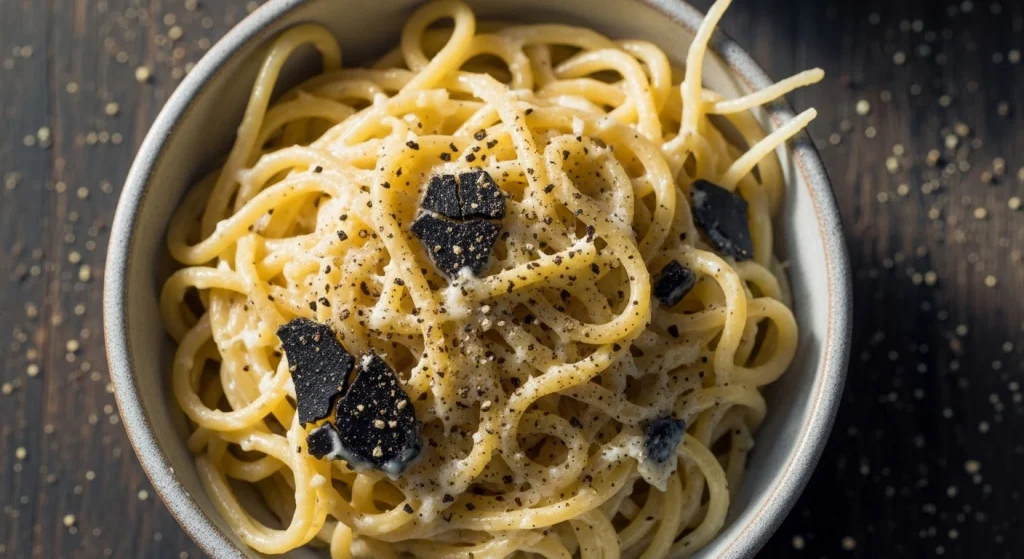


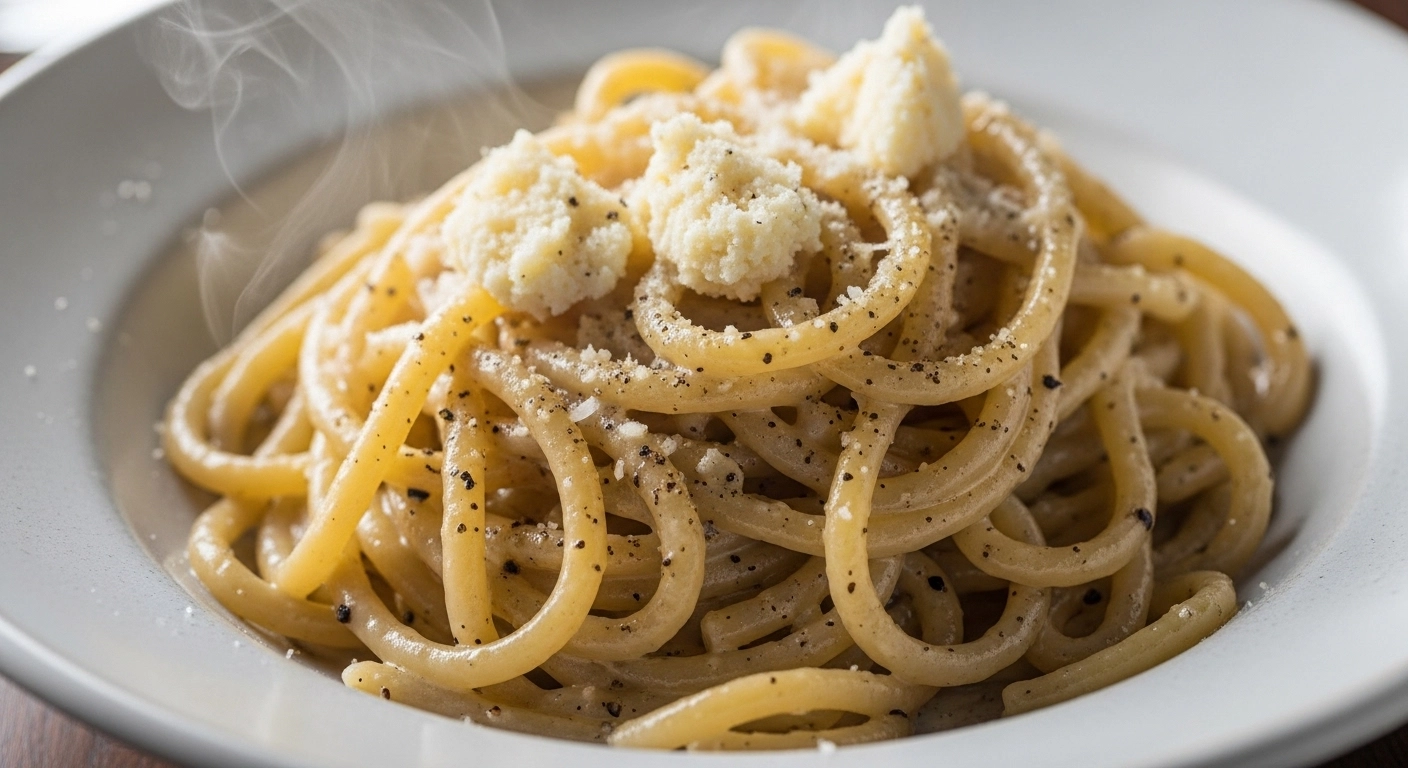
Mastering cacio e Pepe: A Simple Guide to Italy’s Classic Pasta
amidst the grandeur of Italian cuisine, where rich sauces and intricate preparations often take center stage, there lies a humble yet timeless dish that speaks to the heart of culinary simplicity: Cacio e Pepe. This Roman classic, translating to “cheese and pepper,” is a brilliant testament to the adage that sometimes, less truly is more. With only three essential ingredients-pasta, Pecorino Romano cheese, and black pepper-Cacio e Pepe embodies the essence of Italian cooking: quality over complexity, tradition over trend.
In this guide, we’ll embark on a flavorful journey through the history, techniques, and tips that will empower you to recreate this dish in your own kitchen.Whether you’re a novice cook or a seasoned chef, mastering Cacio e Pepe is not just about learning a recipe; it’s about immersing yourself in a culinary experience that celebrates the beauty of simplicity. So,grab your pasta pot and prepare to indulge in one of italy’s most beloved treasures,where every bite is a reminder of the comfort found in authentic,no-frills cooking.
The Art of Simplicity: Understanding the Essentials of Cacio e Pepe
mastering Cacio e Pepe is a gastronomic journey into the heart of Italian cuisine, where simplicity reigns supreme. This traditional Roman dish beautifully brings together just three main ingredients: pasta,Pecorino Romano cheese,and black pepper. The key to its success lies in the seamless blending of these components, transforming each bite into a creamy, peppery delight. Let’s dive into how to perfectly execute this classic dish while maintaining its spirit of simplicity.
Prep and Cook Time
- Prep Time: 10 minutes
- Cook Time: 10 minutes
yield
This recipe serves 4 people, perfect for a sumptuous yet straightforward meal.
Difficulty level
Easy – Ideal for both novice cooks and seasoned chefs looking for a fast, delicious dish.
Ingredients
- 12 ounces of spaghetti or tonnarelli
- 1 cup freshly grated Pecorino Romano cheese
- 2 teaspoons freshly cracked black pepper
- Salt (for cooking pasta)
- Water (for boiling)
Instructions
- Bring a large pot of salted water to a rolling boil. Add the spaghetti or tonnarelli and cook according to package instructions until al dente.
- While the pasta is cooking,in a separate large mixing bowl,combine the freshly grated Pecorino Romano cheese and cracked black pepper,mixing them well to form a paste.
- Reserve 1 cup of the pasta cooking water, then drain the pasta, making sure to shake off any excess water.
- Quickly add the hot pasta to the bowl with the cheese and pepper mixture. Toss vigorously while adding reserved pasta water gradually, just enough to create a creamy emulsion that coats the pasta.
- Continue tossing until the sauce adheres to the pasta beautifully.If the sauce is too thick, add a touch more reserved pasta water.
- serve immediately,garnishing with additional pecorino Romano and freshly cracked pepper on top.
Chef’s Notes
- For best results, ensure your cheese is freshly grated rather than pre-packaged, as this melts better.
- Experiment by adding more or less black pepper according to your taste preference.
- If you prefer a bit of heat, consider adding a pinch of red pepper flakes.
- This dish can be prepared in advance; simply reheat with a drizzle of pasta water and toss to restore the creaminess. Be sure to adjust seasoning as needed.
Serving Suggestions
To elevate your dish further, serve Cacio e Pepe in warm bowls for a cozy appeal. A sprinkle of microgreens or fresh parsley can add a pop of color, while a side of garlic bread pairs perfectly for a satisfying meal. For a subtle flair, consider a light drizzle of extra virgin olive oil or a zest of lemon on top.
| Nutritional Information | Per Serving |
|---|---|
| Calories | 550 |
| Protein | 18g |
| Carbs | 75g |
| Fat | 20g |
With these tips,you’re well on your way to mastering Cacio e Pepe. Each spoonful is a testament to the beauty of simplicity in Italian cuisine, where the combined richness of Pecorino Romano and the warmth of black pepper deliver an unforgettable dining experience.
Q&A
Q&A: Mastering Cacio e Pepe
Q1: What exactly is Cacio e Pepe?
A1: Cacio e Pepe is a delightful Roman pasta dish that beautifully marries just three core ingredients: pasta, cheese, and pepper. Its name translates to “cheese and pepper,” capturing the essence of this dish-a festivity of simplicity and bold flavors that evokes the heart of Italy with each bite.
Q2: What type of pasta works best for Cacio e Pepe?
A2: Traditionally, spaghetti or tonnarelli is used for Cacio e Pepe due to their ability to cling to the sauce. Though, you can experiment with other long pasta types, such as bucatini or fettuccine, depending on your preference. The key is to choose a pasta that allows the creamy, peppery sauce to coat it perfectly.
Q3: What cheese is essential for making Cacio e Pepe?
A3: Pecorino Romano is the star cheese that gives Cacio e Pepe its characteristic sharp and salty profile. When freshly grated, it melts beautifully, creating a luscious sauce. For an choice, you could consider using Grana Padano, though it will offer a milder flavor.
Q4: Do I need any special tools or equipment to make this dish?
A4: Not at all! Cacio e Pepe is remarkably straightforward. All you need is a large pot for boiling the pasta, a mixing bowl for combining the cheese and pepper, and a ladle for the reserved pasta cooking water. A wooden spoon or a pair of tongs will help you toss everything together effortlessly.
Q5: How do I achieve that creamy sauce without adding cream?
A5: The magic lies in the starchy pasta water! As the pasta cooks, it releases starch into the water, wich not only thickens the sauce but helps emulsify the cheese into a creamy coating. The trick is to reserve some of this pasta water before draining; by gradually adding it while tossing the pasta with cheese and pepper, you create a silky-smooth sauce without the need for cream.
Q6: Can I customize Cacio e pepe with additional flavors?
A6: While purists may prefer the classic approach, there is room for creativity! You could add a sprinkle of lemon zest for brightness, fresh herbs for an aromatic touch, or even a touch of crushed garlic for depth.Just remember to keep the focus on the cheese and pepper to preserve the dish’s integrity.
Q7: What’s the best way to serve Cacio e Pepe?
A7: Serve Cacio e Pepe directly from the pan for an authentic experience, with the bowl or plate warming in the oven beforehand to keep the dish hot. Finish with a generous extra sprinkle of grated Pecorino Romano and freshly cracked black pepper. A simple, rustic presentation allows the dish’s beauty to shine!
Q8: Any tips for making a perfect Cacio e Pepe?
A8: Absolutely! Start with high-quality ingredients, as their flavor is central to the dish. Always taste your pasta as it cooks and aim for al dente to maintain a perfect texture. When mixing your sauce, be patient; remember to toss and combine thoroughly so that each strand of pasta gets an even coating of cheese and pepper. don’t rush-Cacio e Pepe is best enjoyed when it’s made with love and care.Enjoy your culinary journey into the heart of Rome with this simple yet unusual dish!
The Way Forward
In Conclusion: The Timeless Elegance of Cacio e Pepe
As you embark on your culinary journey to mastering Cacio e Pepe, remember that this dish is more than just a meal-it’s a celebration of simplicity, quality, and the Italian spirit. Each twirl of pasta speaks volumes about the art of cooking, where just a few ingredients can come together to create a masterpiece.
So whether you’re serving it for a gourmet dinner party or a cozy weeknight meal, take pride in the craft of your planning. Embrace the creamy indulgence of Pecorino Romano and the warmth of freshly cracked black pepper as they dance atop your al dente pasta.
with this guide in hand, you now hold the keys to unlock the heart of Italian cuisine. So go forth, ignite your passion for food, and let every bite of your homemade Cacio e Pepe transport you to the sun-soaked streets of Rome. Buon Appetito!