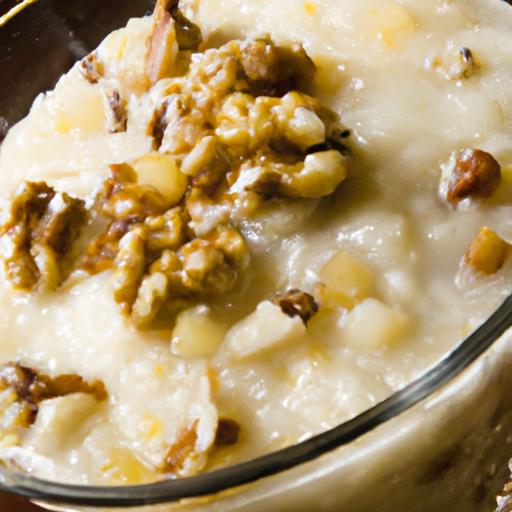
In a world brimming with snack options that frequently enough prioritize convenience over health,it’s time to take a step back and embrace the artistry of home cooking.enter date biscuit balls-a delectable fusion of taste and nutrition that not only satisfies your sweet cravings but also fuels your body with wholesome goodness. Imagine the rich, caramel-like sweetness of dates mingling with the crunchy texture of nuts and the comforting warmth of spices, all rolled into bite-sized treats perfect for any occasion. As we navigate through the hustle and bustle of daily life, these little gems offer a delightful pause, allowing us to relish in life’s simple pleasures while nourishing ourselves. Join us as we explore the enticing world of date biscuit balls-your new go-to snack that’s as easy to make as it is enjoyable to eat! Whether you’re seeking a speedy energy boost or a guilt-free dessert, we’ll guide you through crafting these scrumptious bites in the comfort of your own kitchen. Get ready to unleash your inner culinary artist and discover how a handful of natural ingredients can transform into a mouthwatering treat that’s both delicious and nutritious!
Deliciously nutritious: Crafting Date Biscuit Balls at Home
Exploring the health benefits of dates in your diet is a delightful journey, particularly when it comes to creating scrumptious Date Biscuit Balls. These treats not only satiate your sweet tooth but also deliver a wealth of nutrition. Dates are packed with fiber, vitamins, and minerals that contribute to heart health and digestion, making them a perfect addition to your diet. Join me on this culinary adventure as we master the art of biscuit ball creation!
Prep and Cook Time
- Prep Time: 15 minutes
- Cook Time: 10 minutes
Yield
- Servings: 12-15 biscuit balls
Difficulty Level
- Level: Easy
Ingredients
- 1 cup pitted dates, finely chopped
- 1 cup rolled oats
- ½ cup almond flour
- ¼ cup natural peanut butter (or any nut butter of your choice)
- 2 tbsp honey or maple syrup (adjust for sweetness)
- 1 tsp vanilla extract
- ¼ tsp sea salt
- Optional: ¼ cup dark chocolate chips or chopped nuts for added flavor
Instructions
- Prep the Ingredients: In a medium bowl, combine the chopped dates, rolled oats, almond flour, and sea salt. Mix well to ensure even distribution.
- Add wet Ingredients: In a separate small bowl, whisk together the peanut butter, honey (or maple syrup), and vanilla extract. Pour this mixture into the dry ingredients.
- Combine Thoroughly: Using your hands, mix the ingredients until they form a sticky dough. If the mixture is too crumbly, add a splash of water to help bind.
- Incorporate Add-Ins: If you’re adding chocolate chips or nuts, fold them into the dough until evenly distributed.
- Shape the biscuit Balls: Roll the mixture into small balls, about the size of a walnut, and place them on a parchment-lined baking sheet.
- Chill (optional): For a firmer texture, refrigerate the biscuit balls for 30 minutes.
- Serve & Enjoy: These tasty bites are ready to be enjoyed as a healthy snack or dessert!
Chef’s Notes
- Ingredient Swaps: Substitute almond flour for coconut flour, or use sunflower seed butter instead of peanut butter to keep it nut-free.
- Flavor Enhancements: Add a pinch of cinnamon or nutmeg for a warm spice flavor, or try adding dried fruit like cranberries for extra sweetness.
- Make-Ahead: These biscuit balls store well in an airtight container in the fridge for up to a week, making them perfect for meal prep.
Serving Suggestions
Present your Date Biscuit Balls on a charming platter, perhaps garnished with a sprinkle of shredded coconut or a drizzle of melted dark chocolate. Pair them with a refreshing homemade yogurt dip or a warm cup of herbal tea for a comforting snack. For a delightful complement, consider serving them alongside fresh fruits, like apple slices or banana halves, enhancing both the visual and flavor contrast.
| Nutritional Information | Per Biscuit ball |
|---|---|
| Calories | 80 |
| Protein | 2g |
| Carbohydrates | 10g |
| Fat | 4g |
ready to indulge in your kitchen? Explore more delicious recipes for healthy snacks on our website!
Q&A
Q&A for “Deliciously Nutritious: crafting Date Biscuit Balls at Home”
Q1: What makes date biscuit balls a great choice for a nutritious snack?
A1: Date biscuit balls are a powerhouse of nutrition! Dates are naturally sweet and packed with fiber, which helps with digestion and keeps you feeling full. They are rich in essential minerals like potassium and magnesium, and their natural sugars provide a quick energy boost. By combining them with ingredients like nuts and oats, you enhance the health benefits further, making them not just delicious but also a balanced snack!
Q2: What ingredients do I need to get started?
A2: The beauty of date biscuit balls is their versatility! Basic ingredients include Medjool dates, rolled oats, nut butter (such as almond or peanut), and a sprinkle of cinnamon. You can also customize your snack with nuts, seeds, or even a dash of cocoa powder for an indulgent twist. The only limit is your creativity!
Q3: How do I prepare date biscuit balls? Is it a complicated process?
A3: Not at all! Preparing date biscuit balls is a breeze. Simply pit and chop your dates, then combine them with your chosen ingredients in a food processor. Blend until a sticky dough forms. Then, roll the mixture into bite-sized balls and refrigerate for about 30 minutes to firm them up. It’s a quick and fun process that anyone can enjoy!
Q4: How can I make my date biscuit balls even more delicious?
A4: Get playful with your flavor profiles! Add a pinch of sea salt to elevate the sweetness,include shredded coconut for tropical flair,or toss in a handful of dark chocolate chips for a sweet treat. You can also roll the balls in crushed nuts or seeds for an added crunch. The options are endless!
Q5: How do I store date biscuit balls to maintain their freshness?
A5: After they’re set,keep your date biscuit balls in an airtight container in the refrigerator. They’ll stay fresh for about a week-if they last that long! For longer storage, consider freezing them. They’re perfect for a quick, healthy snack; just pop one out when you need a little pick-me-up!
Q6: Are date biscuit balls suitable for various dietary needs?
A6: Absolutely! Date biscuit balls are naturally gluten-free if you use gluten-free oats, and they can easily accommodate vegan diets as well. You can adjust the recipe to cater to nut allergies by using seed butter or leaving out nuts entirely. Always check your individual dietary requirements, but they are quite adaptable!
Q7: Can I serve these biscuit balls at gatherings or parties?
A7: Definitely! Date biscuit balls make for an extraordinary yet simple addition to any gathering. Serve them on a platter with fresh fruit or alongside yogurt for dipping. Guests will appreciate the healthy option, and you’ll be the talk of the party for serving such tasty bites!
Q8: What are some creative ways to enjoy date biscuit balls beyond snacking?
A8: Think beyond the cookie jar! Crumble date biscuit balls over yogurt or smoothie bowls for a delightful topping. They can also be blended into smoothies for added sweetness and texture. For a fun twist, press the mixture into a baking dish and cut them into bars for a portable snack option on the go!
Q9: What benefits do the specific ingredients provide?
A9: each ingredient brings unique benefits.Dates offer natural sweetness and fiber,oats contribute complex carbohydrates for sustained energy,and nut butter adds protein and healthy fats for satiety. Including spices like cinnamon provides antioxidants and can help regulate blood sugar levels, making this treat not only tasty but also a nourishing choice!
The Way Forward
As we wrap up our journey into the world of date biscuit balls, it’s clear that these delightful treats are more than just a sweet indulgence-they’re a nourishing powerhouse brimming with potential. Whether you’re seeking a quick snack for your afternoon slump, a healthy dessert to satisfy your sweet tooth, or a fun, creative project in the kitchen, these little orbs of goodness have you covered.
with each bite, you’re not just enjoying a delectable flavor combination; you’re also treating your body to a medley of nutrients from wholesome ingredients.The versatility of date biscuit balls means you can mix and match the components to suit your palate and dietary preferences, encouraging exploration and creativity in every batch.
So, why not gather your loved ones and embark on this delightful culinary adventure? As you roll, shape, and decorate your date biscuit balls, you’re not only creating a mouthwatering snack but also making memories that you’ll cherish long after the sweet aroma fades. Remember, the best part isn’t just in the tasting-it’s in the joy of crafting something deliciously nutritious together. Happy baking,and may your kitchen be filled with flavors that bring you joy and wellness!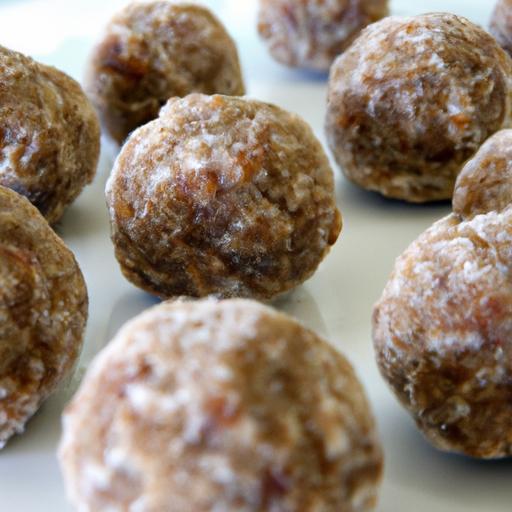
The arrival of a new baby is a momentous occasion, bursting with joy and excitement as families embrace the sweet beginnings of a life filled with love and laughter. Among the myriad of cherished traditions that mark the celebratory milestones of infancy, one stands out for its rich cultural significance and delectable flavor: Meghli.this fragrant rice pudding, delicately spiced with hints of cinnamon and anise, serves not only as a festive treat but also as a symbol of new beginnings and prosperity. Whether it’s the frist month after birth or the joyful party of a baby’s first birthday,meghli weaves a tapestry of family bonds and cultural heritage,creating memories that will linger sweetly for years to come. In this article, we will explore the history and significance of Meghli, the traditional ways to prepare it, and how you can incorporate this delightful dish into your own family celebrations, turning everyday moments into sweet milestones that celebrate the gift of life itself.
Sweet Beginnings: Celebrate Baby’s Milestone with Meghli
Celebrating a baby’s first milestone with a traditional dish is a beautiful way to honor heritage while creating lasting memories. One such dish, Meghli, holds deep-rooted cultural significance, especially in Lebanese traditions, where it is served during the celebratory event known as “Aqiqah” or on the baby’s first birthday. The combination of rich flavors and spices, along with the natural sweetness from the rice, creates a comforting dessert that resonates with love, warmth, and celebration.
Prep and Cook Time
Prep Time: 15 minutes
Cook Time: 1 hour
Yield
Approximately 8 servings
Difficulty Level
Easy
Ingredients
- 1 cup rice (preferably long-grain)
- 4 cups water
- 1 cup sugar
- 1 cup coconut milk
- 2 teaspoons ground cinnamon
- 1 teaspoon ground cardamom
- 1 teaspoon vanilla extract
- 1/2 cup chopped nuts (such as almonds or pistachios) for garnish
- Ground cinnamon or additional spices for garnish
Instructions
- Rinse the rice: Begin by rinsing the rice under cold water until the water runs clear to remove excess starch.
- Cook the rice: In a medium pot, bring 4 cups of water to a boil. Add the rinsed rice and cook for about 15-20 minutes until tender. Stir occasionally to prevent sticking.
- Create the thickening mixture: Once the rice is cooked,reserve about 1 cup of the cooking liquid. Using a blender or food processor, blend the cooked rice with the reserved liquid until smooth.
- Combine ingredients: In the same pot, combine the blended rice mixture with sugar, coconut milk, ground cinnamon, ground cardamom, and vanilla extract. Stir well over low heat until the mixture thickens, about 30 minutes.
- Cool and serve: Transfer the thickened Meghli into serving bowls or cups, and let it cool to room temperature. Refrigerate for at least 2 hours before serving.
- Garnish: Just before serving, sprinkle the chopped nuts and a dusting of ground cinnamon on top for an elegant finish. Enjoy your creation!
Chef’s Notes
For enhanced flavor, consider roasting the nuts lightly before adding them for garnishing. You can also blend in unique spices such as cloves or nutmeg for a distinct twist. If you wish to prepare Meghli ahead of time, it can be refrigerated for up to three days, keeping it fresh and appetizing for your celebration. Remember that the beauty of this dish lies in its individual presentation, so feel free to express your creativity when serving!
Serving Suggestions
to create a stunning display, serve your Meghli in glass cups or small bowls, showcasing its creamy texture. Add fresh fruit slices like figs or pomegranate seeds for a pop of color and flavor. This brightens the presentation and adds a refreshing contrast to the dish’s rich sweetness. For an additional layer of heritage, consider presenting it alongside a family photo from the milestone celebration, reinforcing the special memories being created.
| Nutritional Details | Per Serving |
|---|---|
| Calories | 210 |
| Protein | 3.5g |
| Carbohydrates | 46g |
| Fat | 4g |
Q&A
Q: What is Meghli, and why is it significant in celebrating a baby’s milestone?
A: Meghli is a traditional middle Eastern rice pudding made from fragrant rice flour, ofen flavored with spices such as cinnamon and cardamom, and sweetened with sugar. It’s typically garnished with nuts and coconut, creating a delightful and festive dish. In many cultures, Meghli is served to celebrate a baby’s first milestone-such as the first month or first birthday. This dish symbolizes sweetness in life and prosperity,making it a perfect treat for welcoming a new addition to the family.
Q: What are some essential ingredients needed to prepare Meghli?
A: To make Meghli, you’ll need the following main ingredients: rice flour, water, sugar, and a blend of spices (like cinnamon and cardamom). For garnishing, nuts (like almonds or pistachios) and shredded coconut are commonly used, giving the dish a beautiful and nutritious finish. Optional additions might include vanilla or a sprinkle of sesame seeds for extra texture.
Q: How do you traditionally serve Meghli, and what is the presentation like?
A: Meghli is typically served in small bowls or cups, and its presentation is as delightful as its taste. Once the pudding has set, it is indeed generously topped with chopped nuts and coconut, creating a visually appealing contrast. The spices frequently enough lend a warm, inviting aroma, making it a welcoming dish at celebrations. Some families even decorate it with edible flowers for a touch of elegance!
Q: Are there any cultural practices or traditions associated with serving Meghli?
A: Yes! In many communities, Meghli is not just a treat; it holds cultural significance. It is often served at gatherings such as the baby’s first month celebration or during holidays. Friends and family are invited to partake in the celebration,and it is customary to share Meghli with neighbors as a gesture of goodwill and to spread happiness. The act of making and serving Meghli is steeped in love, marking the importance of community and family bonds.
Q: Can Meghli be made ahead of time, and how should it be stored?
A: Absolutely! Meghli can be prepared a day or two in advance, allowing the flavors to meld beautifully. Once cooled, it should be covered and stored in the refrigerator, where it can last for several days.Before serving, give it a gentle stir, and refresh its toppings for that perfect presentation!
Q: What other milestones can Meghli be used to celebrate beyond baby’s first month?
A: While traditionally associated with a baby’s first milestone, Meghli can be adapted for various celebrations! You might serve it at birthday parties, anniversaries, or family gatherings to signify joyful moments. This versatile dish represents sweetness in life and can be enjoyed whenever there’s a reason to celebrate!
Q: Do you have any tips for customizing Meghli for special dietary needs?
A: Yes! Meghli is quite adaptable and can be tailored for various dietary preferences. For a vegan option, simply ensure to use plant-based sugar (some sugar may be processed with bone char) and select nuts accordingly. You can also experiment with natural sweeteners like agave or maple syrup. For those who require gluten-free options, check that your rice flour is certified gluten-free to ensure safe consumption.
With “Sweet beginnings: Celebrate Baby’s milestone with Meghli,” this delightful dish can become a cherished part of your family’s celebrations, creating lasting memories and sweetness in every bite!
To Wrap It Up
“Sweet Beginnings: Celebrate baby’s Milestone with Meghli” not only highlights a cherished cultural tradition but also emphasizes the deep bonds formed during these early moments of life. Meghli, with its soothing flavors and thoughtful planning, serves as a beautiful reminder of the love and community surrounding every baby’s journey into the world. As you gather with family and friends to celebrate these milestones, let the sweet aroma of Meghli fill the air, creating lasting memories and shared joy. Embrace the magic of these beginnings, and consider how you can infuse your own celebrations with meaningful customs that honor the joys of new life. After all, every little one deserves a grand hello and a sweet send-off as they embark on their amazing adventure. Cheers to new beginnings and the sweet, rich traditions that make them even more special!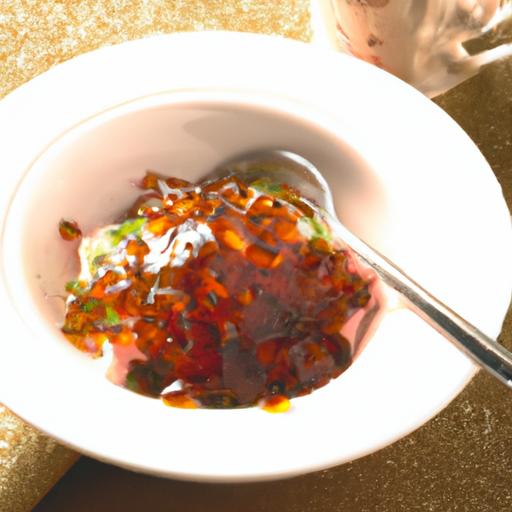
In the sprawling tapestry of Middle Eastern desserts, few creations capture the heart quite like Basbousa-a luscious semolina cake that is as rich in flavor as it is indeed in tradition. With its golden crust and soft, buttery interior, this delightful treat not only offers a heavenly experience for the palate but also carries a story that whispers through generations. Originating from the sun-drenched lands of the Levant, basbousa has traveled across borders, enchanting dessert lovers with its irresistible sweetness and unique texture. In this article, we invite you to embark on a culinary journey to discover the secrets behind this beloved confection, complete with a step-by-step recipe that will empower you to craft your very own slice of edible joy at home.Whether it’s a festive gathering or a simple family meal, Basbousa is sure to weave a thread of warmth and celebration. So, roll up your sleeves and prepare to savor the sweet delight that is basbousa-your taste buds will thank you!
Discover the Sweet Delight of Semolina cake: Basbousa Recipe
Exploring the rich heritage of semolina cake in Middle Eastern cuisine offers a delectable journey through flavor and tradition. Semolina cake, popularly known as Basbousa, has graced tables across the Middle east for centuries, celebrated for its simple yet luxurious taste and moist texture. This delightful dessert is more than just a treat; it embodies the warmth of family gatherings and festive occasions. Frequently enough served with a drizzle of syrup and garnished with almonds or coconut flakes, Basbousa is an invitation to indulge your sweet tooth like never before.
Prep and Cook Time
- Prep Time: 20 minutes
- Cook time: 30 minutes
Yield
- Makes 12 servings
Difficulty Level
- Easy
Ingredients That Make Basbousa a Wholesome Delight
- 1 cup semolina
- 1 cup plain yogurt
- 1 cup sugar
- 1/2 cup melted butter
- 1 tablespoon baking powder
- 1/4 cup shredded coconut (optional)
- Almonds or blanched almonds for garnish
Step-by-Step Guide to perfecting Your basbousa
- Preheat your oven to 350°F (175°C) and grease a 9×13 inch baking dish to prepare for your semolina cake.
- In a large bowl, combine semolina, yogurt, sugar, and melted butter. Mix these ingredients until well combined and smooth.
- add the baking powder and shredded coconut (if using) to the mixture. Stir gently until incorporated.
- Pour the batter into the prepared baking dish, spreading it evenly with a spatula. Use a knife to score the top in diamond or square shapes for easy serving later.
- Press an almond into the center of each square to add a delightful crunch and an aesthetic touch.
- Bake for 30 minutes or until the top is golden brown and a toothpick inserted in the center comes out clean.
- While the cake bakes,prepare the syrup:
Combine 1 cup sugar and 1 cup water in a saucepan. Bring to a boil and simmer for 10 minutes,then remove from heat and let cool. - Once the cake is out of the oven, instantly pour the cooled syrup evenly over the hot cake. This allows the cake to soak up all the moisture and sweet flavor.
- Allow the Basbousa to cool entirely before cutting into squares along the scored lines.
Creative Twists and Flavor Variations for Your Semolina Cake
You can easily customize your Basbousa to reflect your flavor preferences or to delight your guests. Here are some variations:
- Citrus Infusion: Add the zest of one lemon or orange to the batter for a refreshing twist.
- nuts galore: Incorporate chopped pistachios or walnuts into the batter for added texture and flavor.
- Flavored Syrup: Experiment with different flavored syrups-like rose or orange blossom water-rather of plain syrup for an aromatic touch.
- Vegan Option: Substitute plain yogurt with a plant-based yogurt and the butter with coconut oil to create a vegan-amiable version.
Chef’s Notes
- Serving Suggestions: Serve your Basbousa with a dollop of whipped cream or a scoop of vanilla ice cream. Garnishing with a sprig of mint adds a pop of color!
- Make-Ahead: Basbousa can be made a day in advance, allowing the flavors to meld. Just store it in an airtight container at room temperature.
- Texture Tips: Ensure the semolina is fine to yield a smooth, moist cake. If the batter seems too thick, a splash of milk can be added to achieve the right consistency.
- Common Issues: If your Basbousa comes out dry, it may have been overbaked. Keep an eye on it during the last few minutes of baking.
| Nutritional Details (per serving) | Calories | protein | Carbohydrates | Fat |
|---|---|---|---|---|
| Basbousa | 250 | 5g | 40g | 10g |
With its rich texture and indulgent sweetness, Basbousa holds a special place not just in culinary terms, but as a symbol of festivity and communion. Whether you enjoy it at a family gathering or create a solo project in your kitchen, this semolina cake will undoubtedly become a beloved staple in your recipe repertoire. Embrace the traditions, savor every bite, and share the delightful journey of Basbousa with loved ones.

Q&A
Q&A: Discover the Sweet Delight of Semolina Cake: Basbousa Recipe
Q1: What is Basbousa and why is it so special?
A1: Basbousa is a traditional Middle Eastern cake made primarily from semolina, sugar, and yogurt, drizzled with a fragrant sugar syrup. This sweet treat is special not only for its delightful texture-soft, yet slightly grainy-but also for its rich history. It’s often served during celebrations and gatherings, symbolizing hospitality and sharing among friends and family.
Q2: What are the main ingredients for cooking basbousa?
A2: To create a delicious Basbousa, you will need semolina, granulated sugar, plain yogurt, baking powder, and a pinch of salt. For an aromatic touch, you can add a splash of vanilla extract or a handful of shredded coconut. The syrup, which makes this cake irresistibly sweet, requires water, more sugar, and a squeeze of fresh lemon juice to balance the sweetness perfectly.
Q3: Is Basbousa suitable for those with dietary restrictions?
A3: Absolutely! Basbousa can be tailored to suit various dietary preferences. It is naturally vegetarian and can be made gluten-free by substituting semolina with an appropriate gluten-free flour blend. Additionally, you can reduce the sugar in the recipe or use natural sweeteners to accommodate those watching their sugar intake.
Q4: What’s the secret to achieving the perfect texture for Basbousa?
A4: The key to a perfect Basbousa lies in the combination of semolina and yogurt, which gives it its unique moisture and flavor. Allow the mixture to rest for around 30 minutes before baking; this helps the semolina absorb moisture, creating a tender crumb. Don’t overmix, as this can lead to a denser cake.A light hand will ensure a beautifully fluffy result!
Q5: Are there any creative ways to serve Basbousa?
A5: serving Basbousa can be as creative as you like! While it’s traditionally garnished with blanched almonds or a sprinkle of coconut, you could add a refreshing twist with toppings like fresh fruit, nuts, or a drizzle of honey. Pair it with a cup of aromatic tea or coffee for an extra layer of indulgence!
Q6: How should Basbousa be stored for maximum freshness?
A6: To keep your Basbousa fresh, store it in an airtight container at room temperature for up to three days, or in the refrigerator for about a week. The syrup will help keep the cake moist, but if you’re planning to enjoy it later, it’s best to hold off on drenching it in syrup until just before serving to maintain its ideal texture.
Q7: Can Basbousa be made in advance for special occasions?
A7: Yes! Basbousa is a fantastic make-ahead dessert. You can prepare the batter a day in advance and bake it when you’re ready. However,serving it warm enhances the flavor,so if you make it ahead,reheat it slightly before drizzling the syrup and serving. It’s sure to impress your guests whether served fresh or warmed!
Q8: What is your favorite memory associated with Basbousa?
A8: Many people cherish the memories tied to Basbousa as a family favourite for gatherings during holidays or special occasions. It’s often the centerpiece of a dessert table filled with laughter and stories, uniting loved ones over the shared joy of sweetness. Baking it together can also become a treasured family tradition, passing down the recipe and love through generations.
Endnotes: Basbousa is more than just a dessert; it’s a delightful experience that can bring families and friends together, making every bite a taste of shared joy and heritage. Happy baking!
Final Thoughts
As your culinary adventure comes to a close, we hope you feel inspired to embrace the sweet allure of semolina cake with our delightful Basbousa recipe. This traditional Middle Eastern dessert, with its tender, moist texture and rich syrupy sweetness, is more than just a treat-it’s a celebration of culture and hospitality. Whether you’re sharing it with family during a festive gathering or enjoying a quiet moment with a cup of tea, each bite is a reminder of the joy that home-baked goodness brings.
So, roll up your sleeves, gather your ingredients, and let the aroma of toasting semolina fill your kitchen. With each layer you create and every drizzle of syrup you pour, you’re not just making a cake; you’re crafting memories that will be shared and savored. Remember, the beauty of Basbousa lies not only in its taste but in the moments it brings to the table.
As you break into this sweet delight, take a moment to pause and relish what you’ve created. And who knows? Perhaps this humble cake will become a cherished tradition in your home,passed down through generations. Happy baking, and may your journey with Basbousa be as sweet as the cake itself!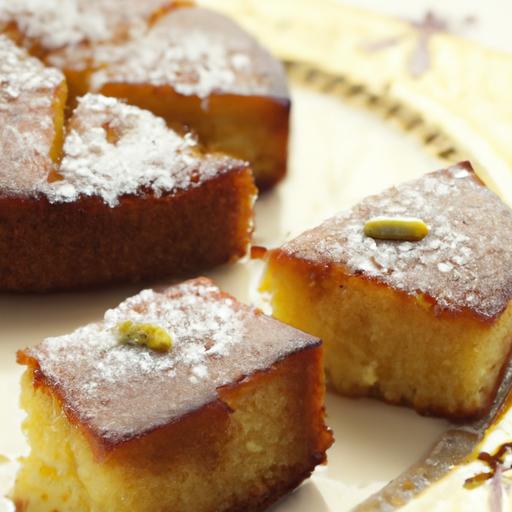
Nestled between continents and rich with history, Turkey serves as a vibrant tapestry of culture, heritage, and culinary delights. among its many treasures, one confection stands out, transcending borders and generations: the beloved Turkish delight, or lokum. this delectable treat is not merely a sweet but a symbol of hospitality, party, and shared moments across the ages. Originating in the heart of the Ottoman Empire, turkish delights have woven themselves into the fabric of Turkish tradition, capturing the hearts (and taste buds) of countless admirers. Join us on a delightful exploration of this exquisite treat, as we uncover the secrets of its creation, the history that flavors its existence, and the myriad ways in which it continues to enchant dessert lovers around the globe. From the bustling bazaars of Istanbul to cozy tea houses, the story of Turkish delight is a sweet journey through tradition and taste that invites you to savor every bite.
Turkish delights: A Sweet journey Through Tradition and Taste
Turkish delight, or lokum, is a confection steeped in rich heritage, celebrated for its delicate texture and luscious flavors. Originating in the Ottoman Empire, these delightful sweets have traversed centuries, evolving from a noble treat to a beloved delicacy enjoyed by all. children and adults alike treasure Turkish delights, making them an integral part of gatherings, celebrations, and everyday moments.Its appeal lies not only in its sweetness but also in the artistry of its readiness,allowing each artisan to add a personal touch that transforms a simple recipe into a profound experience.
Prep and Cook Time
Prep Time: 30 minutes
Cook Time: 1 hour
Yield
Serves approximately 25 pieces.
Difficulty Level
Medium
Ingredients
- 1 cup cornstarch
- 1 cup granulated sugar
- 2 cups water
- 2 tablespoons lemon juice
- 1 teaspoon cream of tartar
- 1 teaspoon rosewater or orange blossom water
- 1/2 cup crushed nuts (pistachios, walnuts, or almonds)
- Optional: food coloring (a few drops for vibrant hues)
- powdered sugar, for dusting
Instructions
- Prepare the pan: Line an 8-inch square baking dish with parchment paper, allowing some overhang for easy removal. Dust the paper generously with powdered sugar to prevent sticking.
- Combine ingredients: In a medium saucepan, combine the sugar, 1 cup of water, and lemon juice. Cook over medium heat, stirring until sugar dissolves.
- Thicken the mixture: in another bowl, mix the cornstarch and cream of tartar with 1 cup of water. Gradually add this slurry to the sugar mixture,whisking continuously to prevent lumps.
- Cook until thick: Continue cooking the mixture over medium heat, stirring constantly. It will start to thicken after about 10 minutes. Once it reaches a thick, gel-like consistency (around 20-30 minutes), you’ll know it’s ready.
- Add flavour: Remove from heat and stir in the rosewater or orange blossom water, along with the crushed nuts and any food coloring if desired.
- Pour and cool: Pour the mixture into the prepared baking dish, smoothing the top. Allow it to set at room temperature for at least 4 hours, or overnight, until firm.
- Cut into pieces: Once set, use the overhanging parchment to lift the sweet from the dish. Dust a clean surface with powdered sugar, place the candy on it, and cut into 1-inch squares.
- Coat and serve: Toss the pieces in powdered sugar to coat and prevent sticking.
Chef’s Notes
For those looking to add a unique twist, consider experimenting with different flavorings such as pomegranate or mint.Additionally, if you wish to make the delights more colorful, layer different colored mixtures in the pan before setting. If your Turkish delights are too sticky or soft, it may require additional cooking time or cornstarch dusting to achieve the right texture.
Serving Suggestions
Present these delightful confections on a beautiful platter with rose petals or aromatic herbs for an elegant touch. Pair them with a side of Turkish coffee or tea to balance the sweetness. For a festive feel,sprinkle with edible glitter or serve alongside fresh fruits and nuts.
| Nutritional Data | Per Piece |
|---|---|
| Calories | 30 |
| Protein | 1g |
| Carbs | 7g |
| Fat | 0.5g |
Embrace the art of creating Turkish delight, and weave a sweet narrative steeped in history with each delectable bite.
Q&A
Q&A: Turkish Delights – A Sweet Journey Through Tradition and Taste
Q: What exactly are Turkish delights?
A: Turkish delights, or “lokum,” are delightful gelatinous confectioneries that have enchanted taste buds for centuries. Made primarily from sugar, starch, and flavorings, these treats often incorporate nuts, dried fruits, and floral essences. Each piece is a soft, chewy morsel, sometimes dusted with powdered sugar or desiccated coconut, inviting you to take a sweet plunge into the rich tapestry of Turkish culture.Q: Where did turkish delights originate?
A: The origins of Turkish delights are steeped in the heart of the Ottoman Empire, dating back to the 15th century. Legend has it that they were created in istanbul by a sweet-toothed inventor seeking to satisfy the cravings of the sultans and their courts. This delightful confectionery soon spread across the empire and beyond, captivating palates worldwide with its unique texture and myriad flavors.
Q: What are some customary flavors found in Turkish delights?
A: Turkish delights come in a dazzling array of flavors. Traditional favorites include rose, lemon, and orange blossom, which infuse each sweet with a fragrant essence. Additionally, you’ll frequently enough find delightful combinations featuring nuts like pistachios, walnuts, or hazelnuts, as well as the refreshing zing of pomegranate or the exotic taste of mastic-a resin from a tree native to the Mediterranean. Each flavor reflects the rich cultural history and vibrant natural landscape of turkey.
Q: How are Turkish delights prepared?
A: the creation of Turkish delights is an art form that involves boiling sugar, water, and starch to achieve the signature chewy texture. Once the mixture thickens to a silky consistency, it is flavored, infused, and poured into a mold where it sets.After cooling,it’s cut into bite-sized cubes and generously dusted with powdered sugar to prevent sticking. This meticulous process elevates each piece into a delightful delicacy, ready to be enjoyed.Q: Are there modern twists on traditional Turkish delights?
A: indeed! While traditional flavors hold a special place in the hearts of many, contemporary artisans are constantly innovating and expanding the boundaries of this beloved treat. Think exotic infusions of matcha, coffee, or even chili for a spicy kick! You might also encounter Turkish delights coated in chocolate or paired with unique spices, putting a modern spin on this classic confectionery.
Q: How are Turkish delights enjoyed in Turkish culture?
A: In Turkey, lokum is more than just a treat; it’s a symbol of hospitality and celebration. Often served with strong turkish coffee or tea, they’re a staple during special occasions such as weddings, religious gatherings, and festive celebrations. Offering a box of Turkish delights is considered a warm gesture of welcome, embodying the essence of companionship and generosity woven into the fabric of Turkish culture.
Q: Where can someone find authentic Turkish delights?
A: While Turkish delights can be found in local specialty stores and international markets, the best way to experience authentic lokum is to seek out shops that specialize in traditional Turkish sweets. Many artisanal confectioners use time-honored recipes and local ingredients,resulting in a product that captures the genuine spirit of Turkey.Moreover, a visit to Turkey itself offers a grand prospect to sample a wide variety of delights in markets and cafés throughout the country.Q: What’s the best way to store Turkish delights?
A: To maintain their soft and chewy texture, Turkish delights should be stored in a cool, dry place away from direct sunlight. It’s best to keep them in an airtight container, separated by sheets of wax paper to prevent sticking. If kept properly, these sweets can last for weeks, making them a delightful treat to savor at your leisure or to share with friends and family.
Conclusion:
Turkish delights are not just candies; they are delectable bites that encapsulate an ancient culture and a sweet legacy. With each vibrant flavor and unique texture, they offer a taste of history and a celebration of sweetness, making every experience with lokum a delightful journey into the heart of Turkey.
The Conclusion
As we conclude our sweet journey through the delightful world of Turkish delights, we invite you to savor not just the flavors but the rich history and vibrant culture they embody. From their ancient origins in the bustling bazaars of Istanbul to their modern resurgence in gourmet confections, these delectable morsels offer a tantalizing glimpse into the heart of Turkey. Each bite tells a story-a fusion of nostalgia, artistry, and the artistry of craftsmanship passed down through generations.
Whether you are indulging in a traditional rose-flavored lokum or experimenting with innovative fillings, Turkish delights provide a sensory experience that transcends borders and celebrates the global allure of sweetness. so, the next time you reach for that little cube of joy, remember that your not just tasting a timeless treat, but partaking in a shared heritage that spans centuries and continents.
Let the enchanting flavors of Turkish delights inspire your own culinary adventures, inviting you to explore, create, and celebrate the simple joys found in tradition, one sweet bite at a time. Happy tasting!
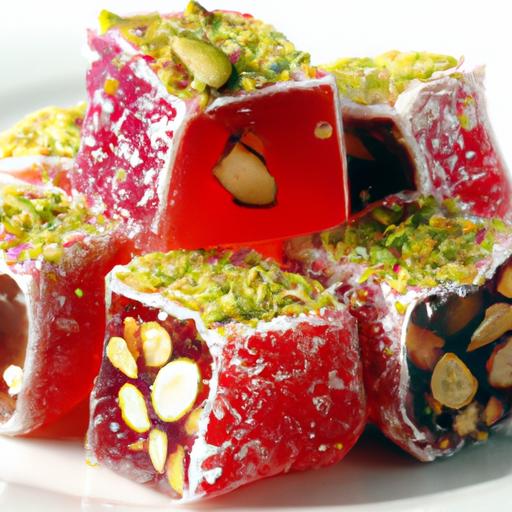
Embark on a culinary journey that transcends borders and tantalizes the taste buds as we delve into the enchanting world of Middle Eastern sweets. Rich in history and steeped in tradition, these confections are not merely desserts but stories waiting to be tasted. Each bite transports you to bustling bazaars filled with aromatic spices, nutty delights, and the sweet perfumes of rose and orange blossom. From the flaky layers of baklava dripping with honey to the delicate, fragrant maamoul stuffed with nuts and dates, the sweets of the Middle East are a celebration of culture, hospitality, and the artistry of culinary craftsmanship.Join us as we explore the diverse landscape of these delightful treats, uncovering their origins, unique ingredients, and cherished recipes that have been passed down through generations. Get ready to satisfy your sweet tooth and ignite your curiosity as we embark on this delicious exploration!
Delightful Middle Eastern sweets are a celebration of flavors, textures, and traditions that span generations. Among the myriad of treats, two stand out as emblematic-baclava and knafeh. These iconic delights are intertwined with rich heritage and stories, reflecting the culinary practices of the Middle Eastern cultures. From the use of fragrant spices to layers of delicate pastry, these sweets invite you to explore their irresistible charm. Join me in this sweet exploration of essential ingredients and delightful pairings that will elevate your dessert experience!
Prep and Cook Time
Prep Time: 20 minutes
Cook Time: 1 hour
Yield
Servings: 12 pieces
Difficulty Level
Level: Medium
Ingredients
- 1 pound phyllo pastry, thawed
- 2 cups nuts (walnuts, almonds, or pistachios), finely chopped
- 1 teaspoon ground cinnamon
- ½ cup sugar
- 1 cup unsalted butter, melted
- 1 cup water
- 1 cup granulated sugar (for syrup)
- ½ cup honey
- 1 teaspoon vanilla extract
- 1 tablespoon lemon juice
Instructions
- In a bowl, mix the chopped nuts with ground cinnamon and ½ cup sugar until well combined. Set aside.
- Preheat your oven to 350°F (175°C). Grease a 9×13 inch baking dish with melted butter.
- Take one sheet of phyllo pastry and lay it flat on your work surface. Brush lightly with melted butter, then layer on another sheet. Repeat this process, stacking about 8 sheets together.
- After applying the layers,spread a thin layer of the nut mixture over the pastry,then continue layering with 4 more sheets,brushing each with melted butter,followed by another layer of nuts. Repeat until all the nuts are used, finishing with several layers of phyllo on top.
- Using a sharp knife, cut the assembled pastry into diamond or square shapes.
- Bake in the preheated oven for 45-50 minutes until golden brown and crispy.
- Simultaneously occurring, prepare the syrup. In a saucepan, combine water, 1 cup sugar, honey, vanilla extract, and lemon juice. Bring to a boil, then reduce heat and simmer for about 10 minutes. Allow it to cool.
- Once the baklava is done baking, pour the cooled syrup evenly over the hot pastry. Let it sit for several hours before serving, allowing the syrup to soak in.
chef’s Notes
here are a few tips for success:
- For a nut allergy-kind version, consider replacing nuts with a mixture of seeds or dried fruits.
- Try adding cardamom to the nut filling for a unique aromatic flavor.
- Baklava can be made in advance and stored in an airtight container; the flavors deepen over time!
Serving Suggestions
To truly enjoy these delightful Middle Eastern sweets, serve the baklava with:
- A side of cardamom-spiced chai, enhancing the rich flavors of the dessert.
- Mint tea, its refreshing notes balancing the sweetness of the baklava.
- Slices of fresh citrus, such as oranges or blood oranges, to cut through the richness.
| Nutritional Data | Per Serving |
|---|---|
| Calories | 250 |
| Protein | 3g |
| Carbs | 30g |
| Fat | 12g |
Whether you’re celebrating a special occasion or simply indulging in a sweet treat, this exploration of delightful Middle Eastern sweets like baklava can be a stunning adventure in your kitchen. Each bite is a testament to the rich heritage of this exquisite confectionery tradition.
Q&A
Q: What are some of the most popular Middle Eastern sweets?
A: The Middle Eastern region is a treasure trove of sweets, each with its own unique flavor and cultural importance. Some beloved favorites include baklava,a flaky pastry layered with nuts and drenched in honey syrup; halva,a dense confection made from tahini and sugar,often mixed with nuts; and kunafa,a dessert made with shredded phyllo dough,cheese,or cream,soaked in syrup. Each sweet has a story to tell, rooted in tradition and celebration.
Q: What are the main ingredients commonly used in these sweets?
A: Middle Eastern sweets often feature a delightful mix of ingredients. Nuts such as pistachios, almonds, and walnuts add crunch and flavor; rose water and orange blossom water infuse them with floral notes; and spices like cinnamon and cardamom provide warmth and depth. Many of these delights are sweetened with local honey or sugar syrup, making every bite a luscious experience.
Q: Are Middle Eastern sweets suitable for vegans or those with dietary restrictions?
A: While many Middle Eastern sweets are made with ingredients like dairy and ghee, there are plenty that can cater to those following vegan diets or with certain dietary restrictions. For example, some varieties of halva are made with solely plant-based ingredients. It’s always best to check the specific recipes or ask vendors, especially in markets, to find options that suit your needs.
Q: How are these Middle Eastern Sweets traditionally enjoyed?
A: Middle Eastern sweets are more than just desserts; they are an integral part of hospitality and celebration. They are frequently enough served during festive occasions and gatherings, accompanied by steaming cups of tea or coffee. It’s common for families to present a beautiful assortment of sweets to guests as a symbol of warmth and welcome. Sharing and enjoying these treats together strengthens bonds and enriches cultural traditions.
Q: Can I make these delightful sweets at home?
A: Absolutely! Many Middle Eastern sweets have traditional recipes that can be made with a little time and patience. for beginners, baklava is a grate choice, as it involves layering ingredients and a little assembly. More advanced bakers might tackle kunafa, which requires mastering the delicate art of handling phyllo dough. Don’t be afraid to experiment with flavors and ingredients-the beauty of Middle Eastern desserts lies in their versatility and adaptability!
Q: Where can I find authentic Middle Eastern sweets?
A: The best places to find authentic Middle Eastern sweets are often local bakeries, specialty stores, and restaurants that focus on Middle Eastern cuisine. If you’re feeling adventurous, many recipes are also available online, allowing you to recreate these delightful treats in your own kitchen.Additionally,food markets and festivals celebrating Middle Eastern culture can be a fantastic way to sample a variety of sweets and discover new favorites.
Q: Are there any lesser-known Middle Eastern sweets worth trying?
A: Absolutely! while baklava and kunafa frequently enough steal the limelight, sweets like maamoul-filled shortbread cookies typically containing dates or nuts-are worth discovering. Another gem is zalabia,a deep-fried donut-like pastry drizzled with syrup and frequently enough sprinkled with powdered sugar. For a refreshing twist, try basbousa, a semolina cake soaked in syrup, sometimes topped with toasted almonds. Each of these sweets promises a delightful taste of Middle Eastern heritage!
Key Takeaways
As we conclude our delectable journey through the enchanting world of Middle Eastern sweets, it’s clear that each bite is more than just a treat; it’s a story steeped in tradition, culture, and an irresistible allure. From the sticky sweetness of baklava to the fragrant notes of rosewater in Turkish delight, these confections embody the rich tapestry of flavors that define the region. Whether enjoyed during festive celebrations or savored in quiet moments of reflection, Middle eastern sweets have an uncanny ability to evoke joy and connection.
So, as you venture into your own culinary explorations, remember that each sweet not only tantalizes the taste buds but also bridges generations and communities. Don’t hesitate to share these sweet discoveries with friends and family, allowing the joys of Middle Eastern desserts to spread beyond borders.After all, what better way to experience a culture than through its most indulgent offerings? May your taste buds continue to explore, your heart find joy in sharing, and your table be ever adorned with these delightful treasures. Happy tasting!
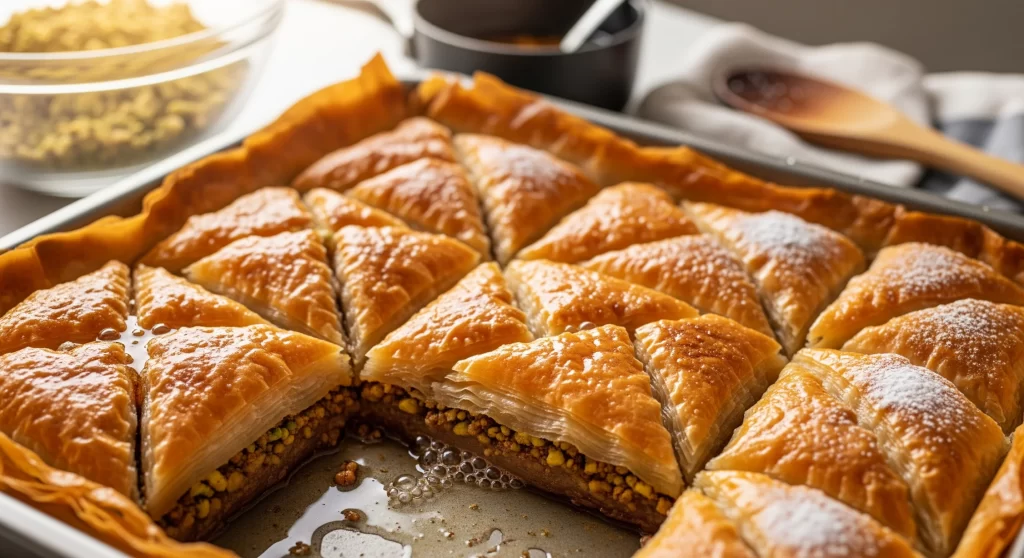
Every sip of Arabic coffee is a journey through the sands of time, a fragrant escape steeped in centuries of tradition and culture. The rich, robust flavor profile of this beloved brew offers a complex tapestry of spice and warmth that transcends the ordinary cup of coffee, inviting us to delve deeper into the culinary treasures of the Arab world. But what truly elevates this experience is the delightful dance between Arabic coffee and an array of sumptuous desserts that complement its unique character. In ”Sweet Harmony: Perfecting Arabic Coffee Dessert Pairings,” we explore the art of pairing these enchanting drinks with their ideal sweet counterparts. From the nutty embrace of baklava to the velvety textures of maamoul, each combination is not just a treat for the palate, but also a celebration of heritage and hospitality. Join us as we uncover the secrets to crafting the perfect dessert pairings that will transform your coffee ritual into a symphony of flavor and tradition.
Exploring the Rich Flavors of Arabic Coffee
Sweet harmony is all about perfecting Arabic coffee dessert pairings, allowing the rich, aromatic notes of this beloved beverage to complement and elevate your favorite sweets. Originating in the heart of the Arab world, Arabic coffee, or qahwa, is traditionally brewed using lightly roasted beans and flavored with cardamom, making it a unique experience that transports you straight to a bustling market or a serene desert oasis. It invites a celebration of flavors, especially when accompanied by equally delightful desserts that resonate with its heritage-think soft, syrup-drenched pastries or nutty confections that dance together with the coffee’s spiced warmth.
Prep and Cook Time
- Prep Time: 15 minutes
- Cook Time: 30 minutes
Yield
- Servings: 6
Difficulty Level
- Medium
Ingredients
- 1 cup all-purpose flour, sifted
- 1/2 cup unsalted butter, softened
- 1/4 cup granulated sugar
- 1/4 teaspoon salt
- 1/2 teaspoon ground cardamom
- 1 large egg
- 1 teaspoon vanilla extract
- 1/2 cup finely chopped pistachios
- 1/2 cup honey
- 1/4 cup water
- assorted fresh fruits for garnish
Instructions
- Preheat your oven to 350°F (175°C) and prepare a baking dish by greasing it lightly.
- In a bowl, cream together butter and granulated sugar untill fluffy.
- add in the egg, vanilla extract, and ground cardamom, mixing until well blended.
- Gradually fold in the all-purpose flour and salt,stirring until just combined.
- Gently fold in the chopped pistachios, allowing for an even distribution in the batter.
- Pour the mixture into the prepared baking dish, smoothing the top with a spatula.
- Bake for about 25-30 minutes, or until a toothpick inserted comes out clean.
- While the pastry is baking, combine honey and water in a small saucepan over medium heat.Simmer until slightly thickened, stirring occasionally.
- Once the pastry is done, remove it from the oven and drizzle the honey syrup over the top while it’s still warm.
- Let it cool completely before cutting into squares and serving alongside fresh fruits.
Chef’s Notes
- For a softer dessert, consider adding a touch more honey to the mix. It’s adjustable based on your sweetness preference.
- You can substitute pistachios with walnuts or almonds for a different flavor dimension.
- This dessert can be made a day in advance; just make sure to store it in an airtight container to retain moisture.
Serving Suggestions
To create a stunning presentation, serve your honey syrup-drenched pastry on a beautiful plate with a side of assorted fresh fruits. Garnish with a sprinkle of extra pistachios and a dusting of powdered sugar for an elegant touch. Pair your dessert with a small cup of customary Arabic coffee, showcasing the cultural connection and enriching the experience through flavor harmony. Enjoy the divine contrast between the warm dessert and the aromatic coffee-every sip and bite transports you to rich, historical landscapes.
| Nutrition Details | Per Serving |
|---|---|
| Calories | 250 |
| Protein | 5g |
| Carbs | 30g |
| Fat | 15g |
For more delightful dessert pairings that complement the robust flavors of Arabic coffee, check out our guide to Arabic Coffee Desserts.explore the exquisite connection between these traditional treats and each sip of your qahwa.
Q&A
Q&A: Sweet Harmony: Perfecting Arabic Coffee Dessert Pairings
Q1: What makes Arabic coffee unique compared to other coffee types?
A1: Arabic coffee, also known as Arabic qahwa, is celebrated for its light roast and aromatic spices such as cardamom and sometimes cinnamon. Unlike other coffee preparations that focus heavily on the caffeine kick, Arabic coffee emphasizes flavor, aroma, and tradition, often served in small cups without milk. This distinctive approach allows it to pair beautifully with a variety of desserts, adding a rich cultural experience to each pairing.
Q2: Which desserts complement Arabic coffee the best?
A2: When pairing desserts with Arabic coffee, consider desserts that offer balance to its rich and aromatic profile.Delicate sweets like baklava,with its flaky pastry and sticky honey,enhance the coffee’s aromatic spices. Dates stuffed with nuts also work beautifully,as their natural sweetness complements the coffee’s depth. For a modern twist, try pairing Arabic coffee with chocolate mousse or a cardamom-infused panna cotta, both offering a silky texture that contrasts nicely with the coffee’s body.
Q3: Why are nuts often included in dessert pairings with Arabic coffee?
A3: Nuts, especially almonds, pistachios, and walnuts, are staples in many Arabic desserts and offer a delightful crunch that enhances the experience of sipping Arabic coffee. Their rich flavor and healthy fats help mellow the coffee’s intensity while creating a satisfying textural contrast. The nutty notes harmonize perfectly with the floral and spicy elements of the coffee, creating a multi-layered tasting experience.
Q4: Can you recommend some spice-infused desserts to pair with Arabic coffee?
A4: Absolutely! Desserts that carry warm, aromatic spices resonate beautifully with Arabic coffee. Try saffron-infused rice pudding for a creamy treat that echoes the elegance of the coffee itself.Alternatively, consider a ginger-spiced cake or a cardamom-flavored biscuit. These desserts not only enrich the sensory experience but also highlight the cultural context of Arabic coffee by reflecting the spices commonly used in its preparation.
Q5: Are there any traditional occasions where these pairings shine?
A5: Traditionally, Arabic coffee is served during gatherings, celebrations, and hospitality events. Pairing it with desserts during festive occasions like Eid or weddings elevates the experience. A platter of assorted sweets-like maamoul (stuffed cookies) or kunafa-is perfect for sharing, inviting guests to explore the delightful contrasts between the desserts and the coffee’s unique flavors.
Q6: How can I present these pairings for a special occasion?
A6: Presentation is key to creating a memorable experience! Consider using elegant Arabic coffee cups alongside beautiful platters of assorted desserts. Decorate the table with vibrant colors and intricate patterns that reflect Middle Eastern aesthetics. Creating small, curated dessert bites will allow guests to sample a variety of flavors without overwhelming the palate, making the experience both sophisticated and enjoyable.
Q7: What should I keep in mind while exploring new dessert pairings with Arabic coffee?
A7: As you explore new dessert pairings, focus on balance and contrast. Opt for lighter desserts that won’t overpower the coffee, and consider how the flavors will interact. keep in mind the primary notes of your preferred Arabic coffee, as well as the personal tastes of those you’re serving. experimentation is key-don’t hesitate to try unusual combinations and discover your own perfect harmony!
Future Outlook
As we conclude our exploration of “Sweet Harmony: Perfecting Arabic Coffee Dessert Pairings,” we hope you are inspired to embark on your own tasting journey. The rich,aromatic profile of Arabic coffee is a treasure,waiting to be complemented by an array of delightful desserts that elevate both flavors to new heights.whether indulging in the decadent layers of a date-infused cake,the delicate sweetness of baklava,or the vibrant notes of cardamom-spiced pastries,each pairing offers a unique dialog between the robust characteristics of the coffee and the sweet nuances of the desserts.Remember, the magic lies in experimentation-don’t hesitate to mix and match, finding your personal favorites along the way.
So, brew a pot of your finest Arabic coffee, gather an assortment of delectable treats, and invite friends and family to join in this gastronomic celebration. with each sip and bite, you’ll discover that the true essence of Arabic coffee transcends the cup, creating bonds through shared flavors and joyous experiences. Hear’s to sweet harmony in every brew and bite!
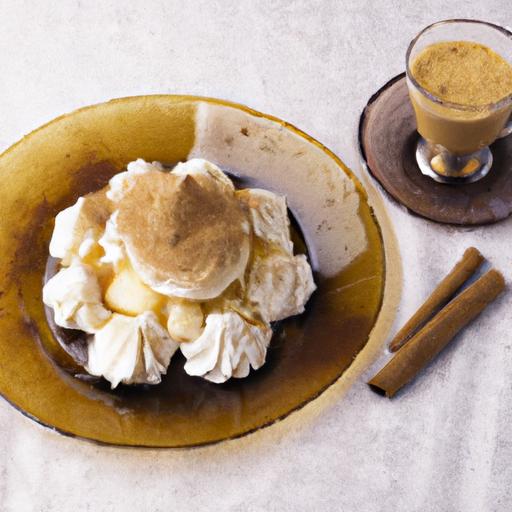
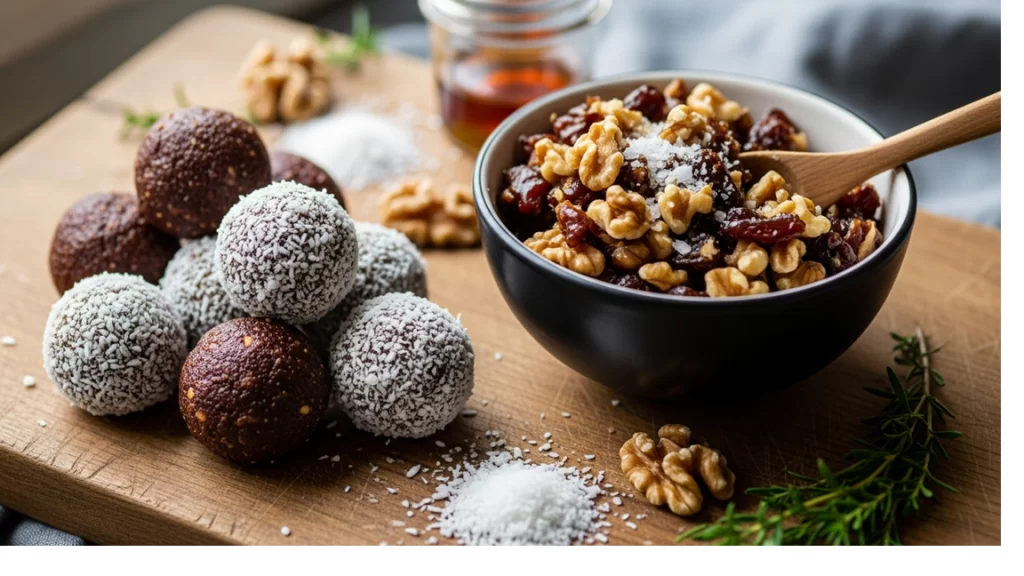
The Rich History of Dates: A Culinary Journey Through time
Sweet delights like those found in our simple yet elegant concoction of dates,tahini,and walnuts have graced the tables of many cultures for centuries. With origins deeply rooted in the Middle East, dates have been cherished not only for their rich flavor but also for their remarkable nutritional profile. Used as a natural sweetener, dates lend themselves beautifully to both savory and sweet dishes, creating a bridge between tradition and innovation. The harmonious combination of sweet dates,creamy tahini,and crunchy walnuts transforms these humble ingredients into a decadent treat worth savoring.
Prep and Cook Time
- Prep Time: 15 minutes
- Cook Time: 20 minutes
Yield
Approximately 12 servings
Difficulty Level
Easy
Ingredients
- 2 cups pitted dates, chopped
- 1 cup tahini
- 1 cup walnuts, chopped
- 1 teaspoon vanilla extract
- ½ teaspoon sea salt
- 1/4 cup maple syrup (optional, for sweetness)
- 1/2 cup unsweetened shredded coconut (optional, for rolling)
Instructions
- In a medium-sized bowl, combine the chopped dates, tahini, chopped walnuts, vanilla extract, and sea salt. Mix until well combined. If you prefer a sweeter mixture, fold in the maple syrup.
- Using your hands,form the mixture into small balls,about 1 inch in diameter. If the mixture is too sticky,dampen your hands slightly to make rolling easier.
- If desired, roll each ball in the shredded coconut for an extra layer of flavor and texture.
- Place the formed balls on a parchment-lined baking sheet and refrigerate for at least 30 minutes to set.
- Once chilled, let the delights come to room temperature for 10 minutes before serving, allowing the flavors to enhance.
Chef’s Notes
Tips for Success: To customize these sweet delights, consider adding other nuts like almonds or pecans, or spices such as cinnamon for warmth. You can also substitute sunflower seed butter for tahini if you prefer a nut-free option. These treats can be made ahead and stored in an airtight container in the refrigerator for up to two weeks, making them a perfect go-to snack.
Serving Suggestions
Present your sweet delights on a rustic wooden board, drizzled with a bit more tahini for elegance. Garnish with a sprig of fresh mint or edible flowers for a visual treat. Pair these flavorful bites with a side of fresh fruit or a cup of herbal tea to enhance the experience. These are perfect for sharing at gatherings or as a delightful afternoon snack.
Nutritional Facts
| Nutrient | amount per Serving |
|---|---|
| Calories | 150 |
| Protein | 3 g |
| Carbohydrates | 18 g |
| Fat | 8 g |
For more delightful recipes that highlight the versatility of dates, check out our article on healthy snack options. Discover the myriad ways to incorporate dates into your culinary creations!
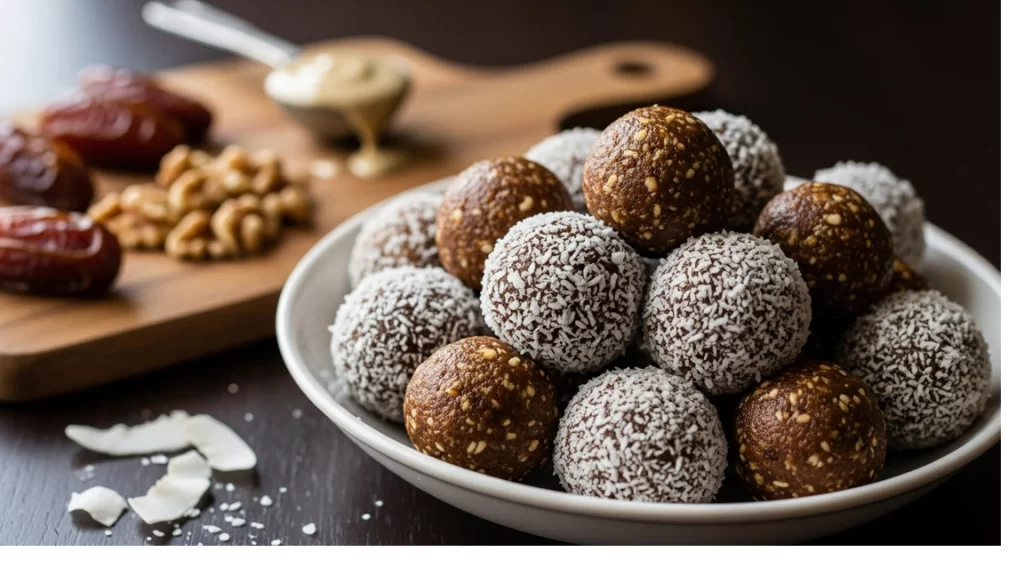
Q&A
Q&A: Sweet Delights – Exploring dates with Tahini and walnuts
Q: What inspired you to create a dish featuring dates with tahini and walnuts?
A: Dates have a natural sweetness that evokes nostalgia, while tahini adds a creamy richness. Walnuts provide texture and a slightly bitter contrast, creating a harmonious blend of flavors. The combination can transport you to an exotic bazaar with each bite, making it a delightful culinary adventure.
Q: Can you tell us about the health benefits associated with this trio: dates, tahini, and walnuts?
A: Absolutely! Dates are not just delicious; they’re packed with fiber, vitamins, and minerals. Tahini, made from ground sesame seeds, is a grate source of healthy fats and calcium. Walnuts enhance this dish with their omega-3 fatty acids and antioxidants. Together, they make for a nourishing treat that satisfies both your sweet tooth and your body’s nutritional needs!
Q: What are some creative ways to serve dates with tahini and walnuts?
A: The possibilities are endless! You can serve them as a simple snack, by stuffing fresh dates with tahini and sprinkling crushed walnuts on top. For a more elegant approach, create a dessert platter adorned with date-stuffed delights, drizzles of tahini, and a sprinkle of crushed walnuts. These can also be blended into a smoothie for a nutritious power-up or used as a topping for yogurt or oatmeal.
Q: How do you select the best dates for this recipe?
A: look for dates that are plump and moist, with a glistening skin indicating freshness. Medjool dates are a popular choice due to their large size and caramel-like flavor, but you could also opt for Deglet Noor dates for a milder taste. Just be sure to check for any crystallization, a sign that they might be a bit older.
Q: Are there any tips for making the tahini and walnut mixture?
A: Definitely! For the best flavor, lightly toast the walnuts before chopping them-they’ll release their oils and enhance their taste. When making the tahini, consider adding a touch of honey or maple syrup for extra sweetness and flavor depth. A pinch of sea salt can also elevate the overall taste, balancing the sweetness of the dates.
Q: Can you suggest alternative ways to enjoy this combination if someone is allergic to walnuts?
A: Of course! If walnuts aren’t an option, you can substitute them with pecans, hazelnuts, or even sunflower seeds to maintain that crunchy texture.You might also consider adding a sprinkle of shredded coconut or even pumpkin seeds as a delightful twist. The key is to find a nut or seed that complements the flavors while keeping the dish enjoyable.
Q: What makes this dish versatile for various occasions?
A: Its simplicity is key! Whether you’re hosting a fancy soirée or looking for a healthy snack to enjoy while lounging at home,these dates are adaptable.They can be a sweet after-dinner treat, a unique addition to a cheese board, or even a delightful party favor when packaged beautifully. Plus, they cater to various dietary preferences-vegan, gluten-free, and rich in natural ingredients!
Q: How do you integrate these sweet delights into your daily routine?
A: I love keeping a jar of stuffed dates in the fridge for a speedy grab-and-go snack. They provide a perfect pick-me-up during mid-afternoon slumps. also, they make a great addition to homemade granola bars, energy bites, or used in baking. Their versatility ensures I never get bored with this deliciously sweet treat!
Q: What final thoughts or tips do you have for those looking to explore this delightful combination?
A: Don’t be afraid to experiment! The beauty of this combination lies in its adaptability and the way it inspires creativity. Try various spices, like cinnamon or cardamom, to give it an extra aromatic kick. Enjoy the process, savor every taste, and share your delicious creations with family and friends-you’ll be surprised at how much joy these sweet delights can bring!
The Way Forward
As we conclude our flavorful journey through the art of sweet delights, we hope you’ve been inspired to bring the enchanting combination of dates, tahini, and walnuts into your own kitchen. This unique trio not only tantalizes the taste buds with its rich, nutty, and sweet profile but also offers a myriad of nutritional benefits that elevate it beyond mere indulgence. Whether you choose to enjoy these treats as a satisfying snack,a sumptuous dessert,or a wholesome addition to your breakfast,each bite is a party of nature’s bounty.
So, as you take your next culinary adventure, remember the humble date’s ability to transform into something extraordinary when paired with tahini and walnuts. These ingredients, steeped in tradition and bursting with flavor, are waiting to be explored further. Don’t hesitate to experiment-mix them into smoothies, sprinkle them atop yogurt, or incorporate them into your favorite baked goods.
In a world where sweet treats frequently enough come with a side of guilt, this delightful combination invites you to savor the goodness without compromise. Embrace the harmony of flavors and boost your health with every indulgent bite. Here’s to sweet delights that nourish both body and soul! Happy tasting!
Indulge in Qatayef with Cream: A sweet Middle Eastern Delight
As the tantalizing aroma of warm spices and sweet delights wafts through bustling Middle Eastern markets, one dessert captures the hearts and taste buds of many: Qatayef.This delightful pastry,traditionally enjoyed during the holy month of Ramadan,transcends mere culinary tradition to become a symbol of joy and togetherness. Imagine delicate pancakes, lovingly folded around a rich, creamy filling, and fried to golden perfection, then bathed in syrup or drizzled with honey-a bite of Qatayef is a journey through centuries of cultural heritage.In this article, we invite you to embark on an exploration of this beloved treat, highlighting the art of crafting Qatayef with cream, its past roots, and the delightful variations that make each experience unique. So prepare to sweeten your gatherings and satisfy your cravings as we delve into the rich world of Qatayef-the dessert that turns moments into cherished memories.
Exploring the Origins of Qatayef: A Journey into Middle Eastern Tradition
Indulging in Qatayef with Cream is not just about savoring a sweet Middle Eastern delight; it’s about experiencing a rich cultural tapestry woven through generations. Originating from the bustling streets of the Levant, notably in countries like Lebanon and Syria, these folded pancakes filled with luscious cream encapsulate the celebratory spirit of Ramadan and festive occasions. Growing up, I remember the intoxicating aroma of warm dough and sweet fillings filling my home, a moment that brings nostalgia and warmth.Each bite reveals a story of family, tradition, and love.
Prep and Cook Time
- Prep Time: 30 minutes
- Cook Time: 20 minutes
- Chilling time: 1 hour
Yield
This recipe yields about 12 servings, perfect for sharing during festive gatherings or a delightful family treat.
Difficulty Level
Easy
Ingredients
- 1 cup all-purpose flour, sifted
- 1 cup milk
- 1 tsp baking powder
- 2 tbsp sugar
- 1/4 tsp salt
- 1/2 cup water (or as needed)
- 1 cup cream (thickened or whipped, as preferred)
- 1/2 cup unsweetened shredded coconut (optional)
- Oil for frying
- Powdered sugar for dusting
- Honey or syrup (for drizzling)
Instructions
- Prepare the Batter: In a mixing bowl, combine the flour, baking powder, sugar, and salt. Gradually whisk in the milk, adding water as needed until you achieve a smooth batter.
- Cook the Qatayef: Heat a non-stick skillet over medium heat. Pour small circles of batter (about 3-4 inches in diameter) onto the pan. Cook until the edges dry and the tops are bubbly, about 2-3 minutes. Do not flip them; they should remain soft.
- Fill with Cream: Once cooked, remove the pancakes and let them cool slightly.Place a generous spoonful of cream in the center of each pancake,fold it in half,and pinch the edges to seal.
- Fry the Qatayef: In a deep skillet, heat oil over medium heat. Fry the stuffed Qatayef until they turn golden and crispy, about 2-3 minutes on each side. Remove and drain on paper towels.
- Serve and Enjoy: Dust with powdered sugar and drizzle with honey or syrup before serving for a heavenly finish.
Chef’s Notes
Creating the perfect Qatayef with cream is both an art and a science. here are some tips for success:
- Consistency is Key: The pancake batter should be of a pourable consistency; adjust with water or milk as necessary.
- Cream Variation: Feel free to substitute the cream with ricotta or mascarpone for different tastes.
- make-Ahead: The pancake base can be prepared a day in advance; just assemble and fry before serving.
- Garnish with Flavor: You can add chopped nuts or a sprinkling of cinnamon for added flavor.
serving Suggestions
Present your Qatayef with cream on a colorful platter, garnished with a sprinkle of shredded coconut and crushed pistachios.Drizzle with honey or syrup, allowing the sweetness to cascade enticingly down the sides. Pair with a strong cup of Arabic coffee or a refreshing mint tea for a perfect ending to your meal.
| Nutritional Data | per Qatayef |
|---|---|
| Calories | 180 |
| Protein | 3g |
| Carbohydrates | 25g |
| Fat | 8g |
With this detailed guide on how to create the ideal Qatayef with cream, you’re set to impress your guests and indulge your taste buds in this sweet Middle Eastern delight. For more flavorful creative twists on classic dishes, check out delicious Middle Eastern Sweets. And for cultural insights, learn more about the history of Qatayef.
Q&A
Q&A: Indulge in Qatayef with Cream: A Sweet Middle Eastern Delight
Q: What exactly is Qatayef?
A: Qatayef is a beloved Middle Eastern pastry, traditionally served during Ramadan. This delightful treat consists of a stuffed pancake,often filled with luscious ingredients such as nuts,sweet cheese,or,in the case of our featured recipe,rich cream. Its unique half-moon shape makes it not just tasty but also visually appealing!
Q: What makes Qatayef with cream different from other varieties?
A: While conventional Qatayef can be filled with a range of ingredients like walnuts or pistachios, Qatayef with Cream stands out due to its sweet, velvety cream filling.This luxurious twist not only enhances the overall flavor but also introduces a rich, smooth texture that contrasts beautifully with the pancake’s soft exterior.
Q: How is qatayef with Cream typically prepared?
A: The planning of Qatayef with Cream begins by making a simple batter from flour, water, and a pinch of yeast, yielding a light and fluffy pancake. Once cooked, it is instantly filled with a creamy mixture-usually made from a blend of milk, sugar, and cornstarch which is cooked to a thick consistency. The filled pancakes are then folded and sealed before being either drizzled with syrup or served alongside a sweet dipping sauce.
Q: What ingredients do I need to make Qatayef with Cream at home?
A: To create this exquisite dessert, gather the following ingredients:
- for the pancake: flour, water, yeast, sugar, and a pinch of salt
- For the cream filling: milk, sugar, cornstarch, vanilla extract, and unsalted butter
- To garnish: crushed pistachios, syrup (such as rose or orange blossom), or honey
Q: Can I customize the filling of Qatayef if I want to try somthing different?
A: Absolutely! While Qatayef with Cream is a showstopper on its own, feel free to get creative. You can add flavors to the cream, like orange blossom or rose water, or mix in other textures such as chocolate ganache or fruit preserves. Just remember to keep the base balanced to highlight that delightful pancake!
Q: When is the best time to serve Qatayef with Cream?
A: Qatayef with Cream is often enjoyed during Ramadan as an iftar treat to break the fast, but it can also be a delightful dessert for any festive occasion. Whether it’s a family gathering, a celebration, or simply a sweet ending to dinner, Qatayef will surely impress your guests.
Q: How should I store leftover Qatayef with Cream?
A: If there are any leftovers (which is rare!), it’s best to refrigerate them in an airtight container. To enjoy them later, you can gently reheat them in the oven or microwave. Just remember to be cautious not to overheat, as the delicate cream filling could lose its delightful consistency.
Q: Where can I find Qatayef with Cream in the Middle East?
A: Qatayef with Cream is a staple in many Middle Eastern bakeries, especially during the holy month of Ramadan. From bustling streets in cities like Beirut and Cairo to local eateries and cafés, you’ll find various renditions of this sweet delight, each with its unique flair only regional cooks can offer!
Indulging in Qatayef with Cream is a sensory experience that brings a taste of tradition to your table, offering warmth and sweetness that transcends generations. Whether you’re making it at home or seeking it out at your local Middle Eastern restaurant, this delicacy promises to satisfy your sweet cravings like no other. enjoy!
Wrapping Up
As we conclude our journey into the sweet, creamy world of Qatayef, it’s clear that this delectable Middle Eastern treat is much more than just a dessert; it’s a cherished tradition that brings people together. With its fluffy, pancake-like exterior enveloping a rich cream filling, each bite is a celebration of flavors that dance on the palate-inviting all to indulge in a sensory experience steeped in history.
Whether you’re enjoying these delicacies during the holy month of Ramadan or any day that calls for a sweet indulgence, qatayef with cream is a reminder of the power of food to unite and create memories. So,gather your loved ones,roll up your sleeves,and embark on the delightful adventure of making these irresistible treats at home.
As you savor each bite, take a moment to appreciate the culture and warmth behind this treasured dessert. After all,food is not only about taste-it’s about connection,storytelling,and the shared joy that sweet moments can bring. So, why not let Qatayef with cream become a new chapter in your culinary repertoire? Indulge, celebrate, and create memories-one delicious bite at a time!

In the bustling streets of Cairo, where vibrant bazaars tease the senses with an explosion of colors and aromas, one confection stands out as a symbol of both nostalgia and whimsy: Ghazl el Ban. More than just cotton candy, this spun sugar treat weaves a tapestry of culture, tradition, and artistry that has captivated generations. With its ethereal texture and delicate sweetness, Ghazl el Ban beckons both young and old to indulge in its sugary embrace, promising a momentary escape into a world of dreams. In this exploration of Ghazl el Ban, we will unravel the secrets behind this enchanting confection, its rich history steeped in Egyptian heritage, and the modern twists that keep its magic alive today. So, prepare to embark on a delightful journey as we uncover the artistry and passion behind this beloved treat, celebrating the sweet delights that have spun their way into the hearts of many.
The Artistry of Ghazl el Ban: A Tradition of Sweet Craftsmanship
Sweet delights: exploring the magic of Ghazl el Ban cotton candy takes you on a journey that transcends simple confectionery. Rooted in Middle Eastern culture, this whimsical treat is more than just spun sugar; it is an art form that embodies nostalgia, celebration, and an unparalleled sweetness that dances on the palate. Traditionally crafted in festive gatherings and street markets,Ghazl el Ban captures the eyes and hearts of both young and old,evoking memories of carefree days and joyous celebrations. As you embark on this culinary adventure, prepare to explore the unique variations that can elevate this sugary masterpiece to new heights.
Prep and Cook Time
- Prep Time: 20 minutes
- Cook Time: 10 minutes
Yield
Approximately 4 servings
Difficulty Level
Medium
Ingredients
- 1 cup granulated sugar
- ¼ cup corn syrup
- ¼ cup water
- 1 teaspoon flavoring extract (vanilla, rose, or orange blossom)
- Food coloring (optional)
- 1 cotton candy machine
- 1 cone stick per serving
Instructions
- start by preparing your cotton candy machine according to the manufacturer’s instructions, making sure it is indeed clean and ready to use.
- in a medium saucepan, combine the granulated sugar, corn syrup, and water. Heat over medium heat, stirring constantly until the sugar dissolves.
- Once the sugar has dissolved, stop stirring and allow the mixture to come to a boil. Use a candy thermometer to monitor the temperature until it reaches 320°F (160°C).
- Remove the saucepan from heat and quickly stir in your chosen flavoring extract and food coloring if using. Mix until well combined.
- Carefully pour the mixture into the center of the preheated cotton candy machine.
- Twist the cone stick in a circular motion around the edges of the machine to collect the spun sugar. continue until you have a fluffy mound of Ghazl el Ban.
- Serve immediately and enjoy the enchanting sweetness!
Chef’s Notes or Tips for Success
- Experiment with different flavoring extracts like peppermint or coconut to create your unique variations of ghazl el Ban.
- If your cotton candy machine tends to get sticky, lightly dust your working area with cornstarch to prevent clumping.
- This recipe can be adapted by using flavored sugars or adding decorative sprinkles for a fun twist!
- Wrap any leftover cotton candy in plastic wrap to keep it fresh for later enjoyment.
Serving Suggestions
Present Ghazl el Ban on decorative plates or use clear bags to showcase the airy beauty of the spun sugar.For an enchanting touch, drizzle with a light syrup made from rosewater and sugar or sprinkle with edible glitter. A sprinkle of crushed pistachios or almonds can add a delightful crunch, perfectly contrasting with the ethereal sweetness. Offer a medley of colors and flavors to create an eye-catching sweet station at any celebratory event.
| Component | Amount per Serving |
|---|---|
| Calories | 110 |
| protein | 0g |
| Carbs | 29g |
| fat | 0g |
Discover more delights and learn how to elevate your dessert game by checking out our article on Exploring Sweet Sweets. Join us as we delve into the world of confectionery artistry!

Q&A
Sweet Delights: Exploring the Magic of Ghazl el Ban Cotton Candy
Q1: What exactly is Ghazl el Ban, and how is it different from regular cotton candy?
A1: Ghazl el Ban, often referred to as “fairy floss” in different cultures, is a traditional Middle Eastern treat that combines the whimsical fluffiness of cotton candy with a touch of artistry. Unlike standard cotton candy, wich is typically spun directly from sugar, ghazl el Ban often incorporates flavored syrup or even aromatic essences, lending it unique flavors like rosewater or orange blossom. The most enchanting aspect is its intricate production process, where spun sugar is fashioned into delicate, shimmering nests or elaborate flower shapes-transforming it from mere confection into a whimsical treat that captivates both the eyes and the taste buds.
Q2: What are the origins of Ghazl el Ban?
A2: The enchanting Ghazl el Ban has its roots nestled within the vibrant streets of Egypt and other Middle Eastern regions. The name translates to ”the cotton of the girls,” capturing the essence of joyful gatherings and sweet celebrations. Traditionally enjoyed during festivals and special occasions, it has woven its way through cultural narratives, becoming an emblem of childhood nostalgia.From bustling bazaars filled with laughter to modern dessert tables-this delightful confection has maintained its charm and is revered as a symbol of sweetness across generations.
Q3: How is Ghazl el Ban made, and what ingredients are essential?
A3: The creation of Ghazl el Ban is a delightful process that turns simple ingredients into an enchanting treat. The primary components include sugar, water, and flavors-often enhanced with natural extracts like rose or almond. The magic begins when sugar is heated until it melts, then spun at high speed to create fine threads that cool instantly in the air. This technique allows the sugar to take on an ethereal quality, resulting in those fluffy wisps we adore. The artistic flair often comes from the addition of colors and a few secret ingredients that contribute to its alluring taste!
Q4: Can Ghazl el Ban be customized with different flavors or colors?
A4: Absolutely! One of the most delightful aspects of Ghazl el Ban is its versatility. Beyond the classic flavors like vanilla or strawberry, many artisans experiment by infusing it with exotic flavors such as pomegranate, mint, or even saffron for a unique twist. The beauty of Ghazl el Ban also lies in its visual appeal-vendors often dye the sugar to create vibrant colors that dazzle the eye. Customization can transform a simple treat into a bespoke experience, making it perfect for themed parties, festivals, or special occasions.
Q5: Where can enthusiasts find authentic Ghazl el Ban?
A5: For those eager to indulge in the sweet magic of Ghazl el Ban, look no further than local Middle Eastern markets or specialty dessert shops that celebrate cultural confections. Street vendors frequently enough showcase this delightful treat at fairs, festivals, and public events. For the adventurous, exploring online platforms that specialize in international snacks may also lead to the revelation of authentic Ghazl el Ban. though, the best way to savor it is indeed still at vibrant community gatherings where artisans spin it fresh right before your eyes, capturing the spirit of the moment!
Q6: What moments are perfect for enjoying Ghazl el ban?
A6: Ghazl el Ban is perfect for a myriad of occasions! Weather it’s a carefree summer festival, a whimsical birthday party, or even as a sweet addition to elaborate dessert tables at weddings, this fluffy delight brings joy to any gathering. Its playful texture and delightful flavors make it a favorite for children and adults alike. Savory onlookers often snap pictures, drawn in by both its beauty and the tantalizing aroma. So,from intimate celebrations to lively cultural festivals,Ghazl el Ban can elevate any event with its enchanting sweetness!
Q7: How can one make Ghazl el Ban at home?
A7: Creating your own Ghazl el Ban at home can be a fun and rewarding experience! You’ll need a cotton candy machine,which simplifies the process. Begin with granulated sugar and your choice of flavored extracts or food coloring. Follow the machine’s instructions, carefully spinning the sugar as it melts. With a steady hand, you can create delightful nests or swirl shapes on a stick. Just remember! Keep your workspace clean and stay patient-it’s about savoring the joy of creation as much as it is about the final product.
Conclusion
In the world of confections, Ghazl el Ban stands out not just as a delicious delight, but as a symbol of culture and tradition. Whether you’re trying it for the first time or reliving nostalgic moments,this fluffy treat has a way of making every bite feel like a celebration!
To Wrap It Up
As we conclude our flavorful journey through the enchanting world of Ghazl el Ban,it’s clear that this delectable treat is more than just candy; it’s a cultural experience steeped in history and artistry. With its feather-light texture and vibrant colors, Ghazl el Ban captures the essence of joy, celebrating the simplicity of sweetness that transcends generations. Whether enjoyed at nostalgic street corners or lavish festivities,this magical confection invites us to savor the moment and share smiles.
So, the next time you encounter a swirl of this sugary delight, take a moment to appreciate not just its taste, but the rich tapestry of tradition and craftsmanship that lies within. With each bite, indulge in the stories woven through its strands, and let the flavors transport you to vibrant markets and festive gatherings. Ghazl el Ban is more than a treat-it’s a sweet embrace that connects us all,one cotton candy strand at a time. So, go ahead and treat yourself; after all, life is too short to resist the magic of sweetness!
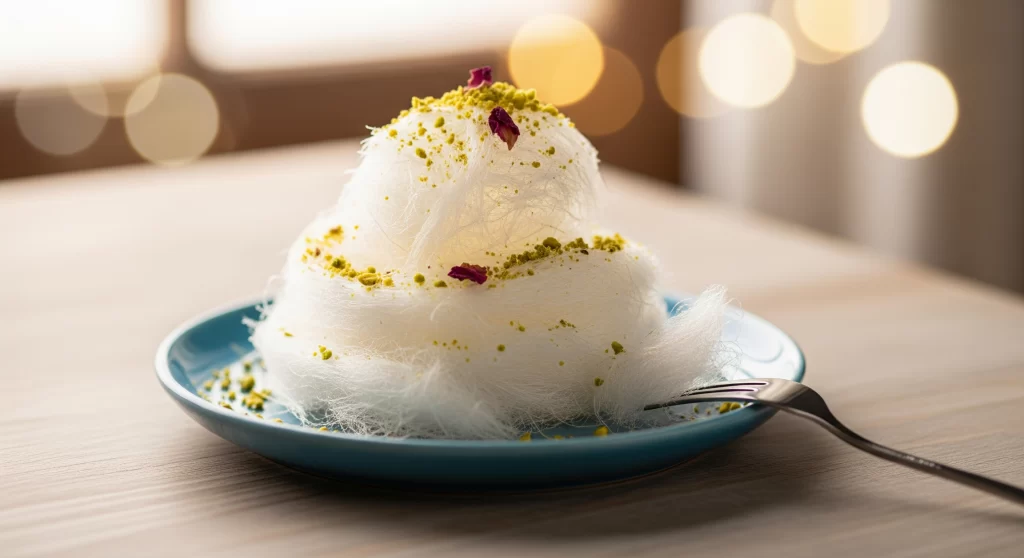
Nestled within the rich tapestry of middle Eastern culinary traditions, Meghli stands out as a cherished dessert that is both a feast for the senses and a symbol of celebration. This spiced rice pudding, often prepared to commemorate the birth of a child or during festive occasions, carries with it the warmth of family gatherings and the aromas of nostalgia. Imagine a velvety, spiced concoction, infused with the fragrant essence of cinnamon, anise, and nutmeg, all balanced perfectly with the sweetness of date syrup and adorned with a colorful array of nuts and coconut. As we embark on a journey through the flavors and rituals surrounding Meghli, we’ll uncover the stories it tells, the traditions it upholds, and why this delightful dessert deserves a place at yoru table, transcending borders and generations.Join us in savoring the history, the culture, and the joy encapsulated in every spoonful of Meghli.
Discover Meghli: A Spiced Rice Pudding Tradition to Savor
Meghli is more than just a dessert; it’s a beautiful reflection of tradition and culture that resonates deeply within Lebanese celebrations, particularly during births. This spiced rice pudding, traditionally prepared with the warm embrace of cinnamon, anise, and caraway, signifies warmth and new beginnings. My frist bite of Meghli transported me back to my grandmother’s kitchen,filled with the aromas of spices dancing together. It’s this rich history and soulful flavor that make Meghli truly special.
Prep and Cook Time
Prep time: 15 minutes
cook time: 30 minutes
Yield
Serves 6-8 people
Difficulty Level
Easy
Essential Ingredients and Their Flavorful Contributions to this Delightful dish
- 1 cup arborio rice – for its creamy texture.
- 4 cups water – the base for the pudding.
- 1 cup coconut milk – adds richness and depth.
- 1 cup sugar – sweetness to balance the spices.
- 2 tsp cinnamon – warms the dish with a classic flavor.
- 1 tsp ground anise – contributes a sweet and aromatic essence.
- 1 tsp ground caraway seeds - an earthy note that enhances complexity.
- 1 tsp vanilla extract - for aromatic sweetness.
- Pinch of salt – to elevate all the flavors.
- Chopped nuts (pistachios or almonds) – for garnish and crunch.
- Coconut flakes – for decoration and added texture.
Step-by-step Guide to Crafting the Perfect Meghli at Home
- Start by rinsing the arborio rice under cold water until the water runs clear. This helps remove excess starch, leading to a smoother pudding.
- In a large saucepan, combine the rinsed rice and 4 cups of water. Bring to a boil over medium heat.
- Once boiling, reduce the heat and let it simmer, covered, for about 25 minutes or until the rice is soft and has absorbed most of the water, stirring occasionally.
- In another bowl, whisk together the coconut milk, sugar, cinnamon, anise, caraway seeds, vanilla extract, and a pinch of salt until fully combined.
- once the rice is cooked, slowly pour the coconut milk mixture into the saucepan while stirring to prevent lumps. Continue cooking on low heat for an additional 5-10 minutes until the mixture thickens to your desired consistency.
- Remove from the heat and let it cool slightly before transferring the Meghli into serving bowls or a large dish.
- Once cooled to room temperature, refrigerate for at least 2 hours or until set.
- Before serving, garnish with chopped nuts and coconut flakes for an elegant touch.
Chef’s Notes
If you’re looking for variations, try incorporating a splash of almond extract for an additional layer of flavor. Alternatively, you can customize the garnishes by adding dried fruits like raisins or apricots for a sweeter twist. Meghli can also be made ahead of time and stored in the refrigerator for up to three days without losing its splendid texture.
Serving Suggestions and Pairings to Elevate the Meghli Experience
Present your Meghli in beautifully crafted bowls, garnished with a sprinkle of ground cinnamon and a delicate drizzle of honey for a shimmering effect. Serve it alongside a refreshing cup of mint tea or aromatic Lebanese coffee to create a delightful contrast. You can even add a side of freshly sliced seasonal fruits for a burst of freshness that complements the spiced flavors.
| Nutritional Information | Per Serving |
|---|---|
| Calories | 210 |
| Protein | 4g |
| Carbs | 38g |
| Fat | 6g |
Q&A
Q&A: Discover Meghli – A Spiced Rice Pudding tradition to Savor
Q1: What is Meghli,and why is it critically important in Middle Eastern culture?
A1: Meghli is a delightful spiced rice pudding that holds a special place in Middle Eastern traditions,particularly among the Lebanese and Syrian communities.It symbolizes health, prosperity, and the joy of new beginnings. typically served during festive occasions like the birth of a child, it is a dish imbued with love and warm wishes for the future.
Q2: What ingredients are commonly used in Meghli?
A2: At its core, Meghli consists of simple yet aromatic ingredients. The base is made from rice flour, which gives it its creamy texture, while a careful blend of spices-typically cinnamon, anise, and often a touch of clove-infuses it with warmth and flavor. Sweetened with sugar and cooked with water or dairy alternatives, the pudding is then adorned with an array of nuts, such as walnuts and almonds, and sometimes garnished with shredded coconut or dried fruits.
Q3: How is Meghli prepared, and what is the cooking process like?
A3: Preparing Meghli is both an art and a science! It begins by toasting rice flour with the spices briefly to enhance their flavors. Next, you combine the toasted flour with water or milk, stirring continuously to prevent lumps until it thickens to a luscious consistency. After cooking,the mixture is poured into serving dishes to cool,allowing it to set. Once cooled, Meghli is generously topped with nuts and fruits, creating a beautiful presentation that is worthy of any celebration.
Q4: are there any variations of Meghli?
A4: Absolutely! While the traditional Meghli recipe is adored, many families have their own unique twists. Some might incorporate different spices or add flavorings like vanilla or orange blossom water for an added depth of flavor. In certain regions, you may even find variations that include a hint of cocoa or different types of nuts, showcasing the culinary creativity that comes with tradition.
Q5: Is Meghli suitable for those with dietary restrictions?
A5: Yes indeed! One of the wonderful aspects of Meghli is its versatility. It can easily be made vegan by using plant-based milk like almond or oat in place of dairy.it is naturally gluten-free, thanks to the use of rice flour. In this vrey way, it can be enjoyed by those who follow various dietary restrictions, making it a communal treat for all to savor.
Q6: How can I serve meghli to delight my guests?
A6: Serving Meghli is an possibility to showcase your creativity! Use elegant bowls or small glass cups to present it beautifully.You can also personalize each serving with a mix of toppings-think a sprinkle of cinnamon, a handful of nuts, or a drizzle of honey or date syrup. Not only does this elevate the visual appeal, but it also allows guests to experience a personalized touch with every bite!
Q7: What are some occasions where Meghli is traditionally served?
A7: Meghli is a cherished dish during celebratory events, especially to honor the arrival of a newborn. It is indeed also enjoyed during the festive season of Ramadan to break the fast and at various family gatherings and Eid celebrations. Its cultural meaning and delectable taste make it a beloved addition to any festive table.
Q8: Where can I find a recipe to make Meghli at home?
A8: Wonderful question! There are countless recipes available online, from traditional family recipes passed down through generations to contemporary adaptations. Look for sources that celebrate Middle eastern cuisine, and don’t be afraid to experiment and add your own flair. Making Meghli at home can be an enjoyable and rewarding experience that allows you to connect with this rich cultural tradition.
—
Delve into the world of meghli and savor this exquisite spiced rice pudding that carries with it not just flavors, but the essence of celebration and community!
Key Takeaways
As we conclude our exploration of Meghli, it’s clear that this delectable spiced rice pudding is more than just a dessert; it embodies centuries of culture, love, and celebration. Each spoonful invites you not only to savor its rich flavors but to engage with the stories and traditions that have shaped its place at the heart of gatherings in Lebanese communities around the world.
from the warming blend of spices to the sweet toppings that give the dish its charming finish, Meghli is a sensory experience that transcends generations. Whether served during joyous occasions or quiet family meals, it’s a reminder of the comforts of home and the bonds of family heritage. So, the next time you take a bite of Meghli, remember that you’re not just enjoying a treat – you’re partaking in a rich tapestry of tradition that celebrates life, love, and the art of sharing.So why not bring this cherished dessert into your own kitchen? With a sprinkle of spice and a dash of enthusiasm, you too can keep this beautiful tradition alive, savoring not just the taste, but the history and warmth it represents. Happy cooking,and may your gatherings be filled with laughter,love,and a touch of Meghalaya magic!