

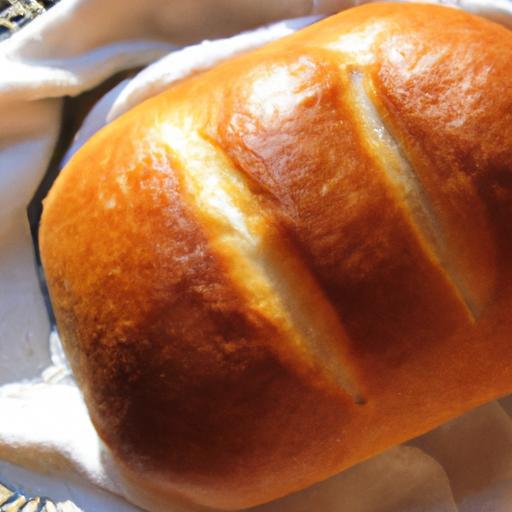
Mastering the Art of Fluffy Asian Homemade Bread
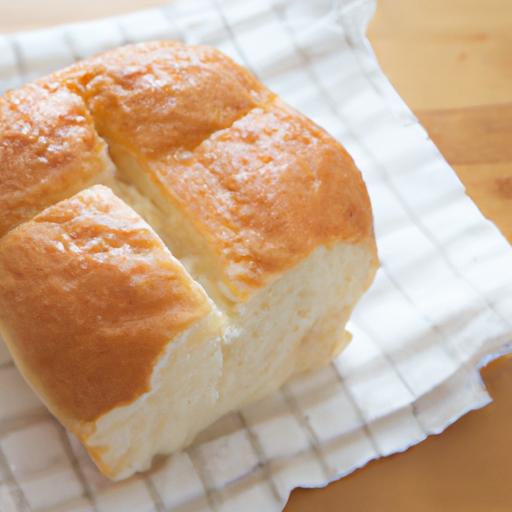
Imagine the warm, enticing aroma of freshly baked bread wafting through your kitchen, invoking a sense of comfort and nostalgia. Now,picture loaves so unbelievably soft and pillowy that they practically melt in your mouth. Welcome to the enchanting world of fluffy Asian homemade bread, were tradition meets innovation in every knead and fold.From the classic, cloud-like milk bread that graces breakfast tables across Asia to the sweet rolls filled with silky cream, this culinary art form celebrates simplicity and flavor.
In this journey, we’ll uncover the secrets behind achieving that perfect texture-elastic, airy, and irresistibly light. We’ll delve into the essential ingredients that transform ordinary dough into unusual delights, explore time-honored techniques, and share tips to troubleshoot common challenges. Whether you’re a seasoned baker or a curious novice, this guide will set you on the path to mastering your own irresistible loaves, allowing you to impress friends and family with delectable, homemade bread that embodies the heartwarming spirit of Asian baking. Prepare to roll up your sleeves and harness the magic of flour, water, and a touch of creativity-your culinary adventure awaits!
Mastering the art of fluffy Asian homemade bread involves exploring a harmonious blend of ingredients and techniques that come together to create a soft, pillowy texture. This delightful bread, often found adorning tables across Asia, is perfect for enjoying with savory dishes or simply on its own. Picture yourself tearing into a warm loaf, its tender crumb nearly melting in your mouth-it’s an experience that’s both comforting and satisfying.
Prep and Cook Time
- Prep Time: 1 hour (plus rising time)
- Cook Time: 25 minutes
Yield
Yield: 1 loaf (about 12 slices)
Difficulty Level
Medium
Key Ingredients That Elevate Your Homemade Bread Game
- 3 cups all-purpose flour,sifted
- 1 cup warm milk (110°F/43°C)
- 1/4 cup granulated sugar
- 2 tablespoons vegetable oil
- 1 packet (2 1/4 teaspoons) instant yeast
- 1 teaspoon salt
- 1 large egg
- 1 tablespoon milk (for brushing)
Techniques for Achieving That Signature Soft texture
- Activate the yeast: In a mixing bowl,combine the warm milk and sugar. Sprinkle the instant yeast over the top, letting it sit for 5-10 minutes until it becomes foamy.
- Combine dry ingredients: In a separate large bowl, mix the sifted flour and salt. Create a well in the center.
- Mix the dough: Pour the yeast mixture into the well, followed by the vegetable oil and the egg. Stir until the mixture forms a sticky dough.
- knead the dough: Transfer the dough to a floured surface and knead for about 8-10 minutes.Use the windowpane test-stretch a small piece of dough to see if it holds without tearing.
- First rise: Place the dough in a greased bowl, cover it with a damp cloth, and let it rise in a warm spot until doubled in size, about 1 hour.
- Shape the loaf: Once risen, punch down the dough to release air. shape it into a loaf and place it in a greased 9×5-inch loaf pan.
- Second rise: Cover the pan and let the dough rise again until it crowns the edge of the pan, about 30-45 minutes.
- Bake: Preheat your oven to 350°F (175°C). Brush the top of the loaf with a tablespoon of milk for a golden finish. Bake for 25 minutes or until the top is lightly golden and sounds hollow when tapped.
- Cool: Allow the bread to cool in the pan for 10 minutes, then transfer to a wire rack to cool completely before slicing.
Baking Essentials: Tools and Tips for Successful Bread Making
Utilizing the right tools will amplify your bread-making success:
- Stand mixer: Makes kneading effortless.
- Digital kitchen scale: Ensures precise measurements for consistent results.
- Dough thermometer: Checks the temperature of ingredients to activate yeast effectively.
- Bench scraper: Helps with dough handling and transferring ingredients.
Chef’s Notes
Here are some tips for successfully making fluffy Asian homemade bread:
- For a richer flavor,you can substitute half of the milk with coconut milk.
- If your dough doesn’t rise well, check your yeast freshness; expired yeast won’t provide the necessary lift.
- Remember, moisture is key! Keep the dough covered while it rises to prevent it from drying out.
- This dough can also be shaped into dinner rolls or filled with sweetened red bean paste for a delicious twist.
Serving Suggestions
Serve your fluffy Asian homemade bread warm, perhaps with a pat of butter or a drizzle of honey.It pairs delightfully with savory dishes like curries or can be enjoyed on its own as a snack. Garnish with sesame seeds or fresh herbs for an elegant touch.
| Nutritional Information (per slice) | Value |
|---|---|
| Calories | 120 |
| Protein | 3g |
| Carbohydrates | 20g |
| Fat | 3g |
Q&A
Q&A: Mastering the Art of Fluffy Asian Homemade Bread
Q1: What makes Asian bread uniquely fluffy compared to other types of bread?
A1: The magic of fluffy Asian bread lies in its ingredients and techniques! Typically, it incorporates bread flour, which has a higher protein content, allowing for better gluten formation. Additionally, many recipes utilize methods like tangzhong-a water roux technique that enhances moisture retention and softness.The careful balance of hydration and kneading creates an airy bread that practically melts in your mouth!
Q2: Can you explain the tangzhong method and how it contributes to the texture of the bread?
A2: Absolutely! The tangzhong method involves cooking a portion of the flour with water (or milk) over low heat until it thickens into a paste. This paste is then mixed with the remaining ingredients. By doing this,you pre-gelatinize the starches,allowing them to hold onto moisture during baking. This results in a bread that stays fresh longer and has an irresistibly fluffy texture, perfect for those indulgent sandwich moments or simply to complement a cozy cup of tea.
Q3: are there specific types of Asian bread that beginners can start with?
A3: Beginners can dive into the world of Asian bread with a few approachable recipes! Soft milk bread, often called Hokkaido milk bread, is a fantastic starting point becuase of its forgiving dough that rises beautifully. Another favorite is sesame bread rolls, which are not only fluffy but also allow for the delicious crunch of toasted sesame seeds on top. Both recipes offer a delightful introduction to the techniques and flavors of Asian baking!
Q4: What common mistakes should home bakers avoid when making Asian bread?
A4: Ah, the pitfalls of bread-making! One common mistake is under-kneading the dough, which can lead to dense bread rather of that desired airy fluffiness. be sure to knead until the dough is smooth and elastic, passing the “windowpane test” where a piece of dough can be stretched thin without tearing. overproofing is another enemy; keeping a close eye on the dough’s rise will help ensure it doesn’t collapse during baking.Lastly, don’t forget to measure your ingredients carefully; baking is science, and precision matters!
Q5: How can I experiment with flavors and fillings in my Asian bread?
A5: The possibilities are endless! Once you’re cozy with the basic dough, feel free to get creative! You can incorporate flavors like matcha powder for a hint of earthiness or swirl in red bean paste for a customary touch. For savory options, try stuffing your bread with seasoned vegetables or cheese. You can also sprinkle toppings like scallions or sesame seeds before baking. Just remember to maintain the dough’s structure to ensure that it rises beautifully and remains fluffy!
Q6: What are some tips for achieving the perfect golden-brown crust on my bread?
A6: A perfect golden-brown crust is all about oven technique and a little TLC! Preheat your oven thoroughly, and consider using a baking stone or steel for even heat distribution. For that enticing color, brush your dough with an egg wash (a beaten egg with a tablespoon of water) before baking. To add steam for an attractive crust,you can place a tray of water at the bottom of the oven or spritz the oven with water just after you place the bread inside.This combination creates a crispy outer layer while keeping the inside fluffy!
Q7: what are the best ways to store leftover Asian bread?
A7: To keep your bread fluffy and fresh, be sure to store it correctly! Wrap it in plastic wrap or place it in an airtight container to maintain its moisture. For longer storage,slicing and freezing the bread can work wonders-just remember to wrap each slice individually to preserve texture! When you’re ready to enjoy it again,simply let it thaw at room temperature,or pop it in the toaster for a toasty,scrumptious treat!
Q8: Do you have any final tips for bakers hoping to perfect their Asian bread-making skills?
A8: Embrace the process and be patient with yourself! Every bake is a learning experience. Take notes on what works well and what doesn’t, and don’t hesitate to experiment with new flavors and methods. And most importantly, share your creations-there’s nothing quite like the joy of fresh bread to bring friends and family together. Happy baking!
Final Thoughts
As we conclude our journey into the delightful realm of fluffy Asian homemade bread, we hope you feel inspired to don your apron and bring a little magic to your kitchen. Whether you’re kneading dough for pillowy mantou or shaping soft,sweet bao,remember that each loaf is a canvas awaiting your creative touch. Embrace the art of patience, play with flavors, and don’t shy away from experimenting-after all, the most memorable recipes often come from a little daring.
With each baking session, you’ll not only refine your skills but also carve out cherished memories to share with friends and family. So, let the aroma of freshly baked bread waft through your home and fill your heart with warmth and joy.Happy baking, and may your bread always rise to glorious heights!