

Baker’s Percentage Unraveled: The Secret to Perfect Baking
In the enchanting world of baking, where science and art converge, precision often reigns supreme. imagine a realm where flour, water, yeast, and salt waltz together in a perfectly orchestrated dance, each ingredient playing its vital role to achieve mouthwatering results. What if we told you that the key to unlocking this culinary harmony lies in understanding a simple yet powerful tool: baker’s percentage?
Whether you’re an aspiring home baker or a seasoned artisan, deciphering the language of baker’s percentage can transform yoru baking endeavors from good to remarkable. This ingenious system of measurement-conceived by professional bakers to enhance consistency and creativity-allows you to scale recipes with confidence and achieve unparalleled results every time. Join us as we unravel the intricacies of baker’s percentage, exploring its basic principles and practical applications, so you can uncover the secrets that have been helping bakers create masterpieces for centuries. Ready your measuring cups and get set to elevate your baking skills to new heights!
Understanding baker’s percentage and Its Role in Consistency
Baker’s percentage is a magical formula that elevates the art of baking from a simple task to a precise science. By expressing the amount of each ingredient as a percentage of the flour weight, home bakers can achieve unrivaled consistency in their baked goods. Imagine preparing a batch of your favorite bread or pastry and knowing that each time it will rise just as perfectly as the last-this is the beauty of baker’s percentage unraveling the secrets to perfect baking.
Prep and Cook Time
- readiness Time: 30 minutes
- cook Time: 45 minutes
Yield
- Servings: 8 slices
Difficulty Level
- Medium
Ingredients
- 500g all-purpose flour,sifted
- 350ml water,lukewarm
- 10g salt
- 7g active dry yeast
- 15g sugar
- 30ml olive oil
Instructions
- Activate the yeast: in a small bowl,mix 350ml of lukewarm water with 7g of active dry yeast and 15g of sugar. Allow it to sit for about 5-10 minutes until frothy.
- Mix the dry ingredients: In a separate large mixing bowl, combine the 500g of sifted all-purpose flour and 10g of salt. Stir well to ensure even distribution.
- Combine wet and dry ingredients: Pour the yeast mixture into the flour, followed by 30ml of olive oil. Use a wooden spoon or dough scraper to mix until you achieve a shaggy dough.
- Knead the dough: Transfer the dough to a lightly floured surface and knead for about 10 minutes, until smooth and elastic. If the dough is too sticky, sprinkle in a little extra flour, just a tablespoon at a time.
- First rise: Place the kneaded dough in a lightly oiled bowl, cover it with a damp towel, and let it rise in a warm place for 1-1.5 hours, or until doubled in size.
- Shape the dough: Punch down the risen dough and turn it out onto a floured surface. Shape it into a loaf or divide it into smaller pieces for rolls.
- Second rise: Transfer the shaped dough to a greased baking pan, cover with the damp towel, and let it rise again for about 30-45 minutes.
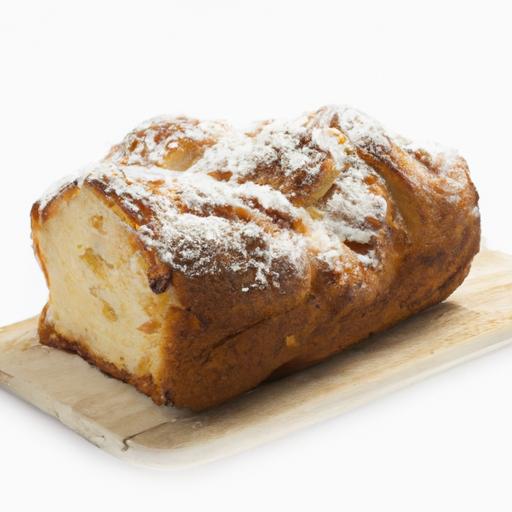
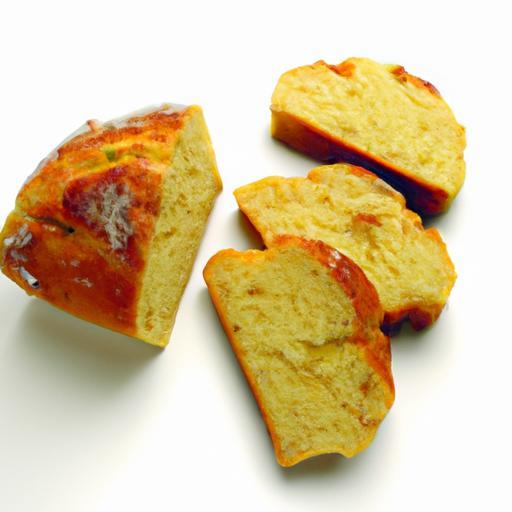
- Bake to perfection: Preheat your oven to 220°C (425°F). Bake the bread for 25-30 minutes or until golden brown and crusty. Tap the bottom; it should sound hollow when ready.
Chef’s Notes
To master flavor and texture, feel free to adjust your baker’s percentage. For a richer bread, consider increasing the oil to 50ml for a softer crumb.Additionally, adding seeds or herbs (around 5% of the flour weight) can elevate the taste and make your loaf truly special.
Serving Suggestions
Slice your freshly baked bread while still warm and serve it with a drizzle of olive oil or butter.Pair with a colorful charcuterie board or savor it alongside a hearty soup. For a gourmet touch, rub the crust with a clove of garlic before serving!
| Nutritional Information | Per Slice |
|---|---|
| calories | 150 |
| Protein | 5g |
| Carbs | 28g |
| fat | 2g |
With the knowledge of baker’s percentage, you can confidently explore baking like never before. This method enhances your understanding of ingredient interaction, allowing you to create consistently delicious breads and pastries every single time.
Q&A
Q: What is Baker’s Percentage, and why is it important in baking?
A: Baker’s Percentage is a method of expressing the ratio of ingredients in a recipe by weight, relative to the total amount of flour used, which is considered 100%. This system allows bakers to easily scale recipes up or down and maintain consistent results.Understanding Baker’s Percentage can transform a novice into a bread artisan by allowing precise control over the dough’s hydration, texture, and overall flavor!
Q: How do you calculate Baker’s Percentage for a recipe?
A: To calculate Baker’s percentage, start with the weight of flour as your base, setting it at 100%. Next, weigh all other ingredients and divide their weights by the flour weight, then multiply by 100 to get the percentage. For example, if you use 500g of flour and 300g of water, the water percentage would be (300g/500g) x 100 = 60%. This clarity helps you visualize the dough and adjust ingredients as needed.
Q: Is Baker’s Percentage only applicable to bread recipes, or can it be used for other baked goods?
A: While Baker’s Percentage is most commonly associated with bread recipes, it can be applied to various baked goods, including pastries, cookies, and cakes! You can use it to analyze the ratios of sugar, fat, and other ingredients to achieve the perfect balance of flavor and texture in any of your baked creations.
Q: What are some common Baker’s percentages for various ingredients?
A: Great question! Here are some standard percentages you might encounter:
- Water: Typically ranges from 60% to 100%, depending on the desired crumb and hydration level.
- Salt: Generally around 1.5% to 2% for flavor enhancement.
- Yeast: Usually between 1% and 3%, based on the fermentation time and type of bread.
- Sugar: Varies widely-around 5% for basic bread, but can go up for sweeter loaves or pastries.
Understanding these percentages can guide your decisions in achieving the perfect dough.
Q: How does adjusting Baker’s Percentages effect the final product?
A: tweaking Baker’s Percentages can lead to exciting transformations in your baked goods! As an example, increasing water content can create a more open crumb structure in bread, while more sugar can yield a sweeter, browner crust. Similarly, adjusting fat content can enhance tenderness, while higher salt levels can strengthen the dough. Experimentation is key; keep detailed notes to track how gradual changes affect the final outcome!
Q: Do you have any tips for mastering Baker’s Percentage in the kitchen?
A: Absolutely! Here are a few tips:
- scale Your Ingredients: Invest in a good kitchen scale; it’s the secret weapon for accurate measurements.
- Keep Records: Document your recipes and any adjustments to build a personal database of successful ratios!
- start Simple: Pick a basic recipe and try changing one factor at a time to see its impact.
- Taste as You Go: Baking is as much about science as it is about artistry. Trust your palate!
With practice, understanding these percentages will become second nature, elevating your baking game to new heights.
Q: Can beginners easily grasp Baker’s Percentage, or is it more suited for advanced bakers?
A: Baker’s Percentage is friendly to beginners! though it may seem daunting at first, once you understand the core concept of relative weights, it unlocks a world of creativity and precision in baking. Start with simple formulas, and you’ll soon find that this tool actually simplifies rather than complicates your baking adventures. Plus, it’s an excellent way to build confidence in the kitchen!
In Retrospect
As we wrap up our journey through the intricate world of baker’s percentage, it becomes clear that this simple yet powerful formula is more than just a mathematical tool-it’s the secret language of successful baking. With the right understanding of each ingredient’s contribution to the overall recipe, you can elevate your creations from mere treats to masterpieces worthy of any bakery display.
Armed with this new perspective, you hold the key to customization, experimentation, and, ultimately, perfection in your baking endeavors. Whether you’re a seasoned pro or just setting foot into the flour-dusted world of pastries and bread, remember that each percentage is a promise-one that invites you to play, innovate, and discover the delicious potential that lies within your kitchen.so go ahead! Embrace the equations, trust the science, and let the magic of baker’s percentage lead you to your best bakes yet. With each loaf and layer,you’re not just baking; you’re weaving a tapestry of flavor,texture,and creativity. Happy baking, and may every measurement bring you one step closer to that perfect bite!