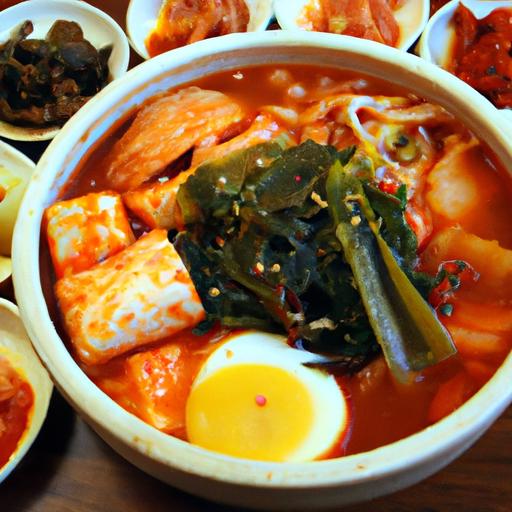


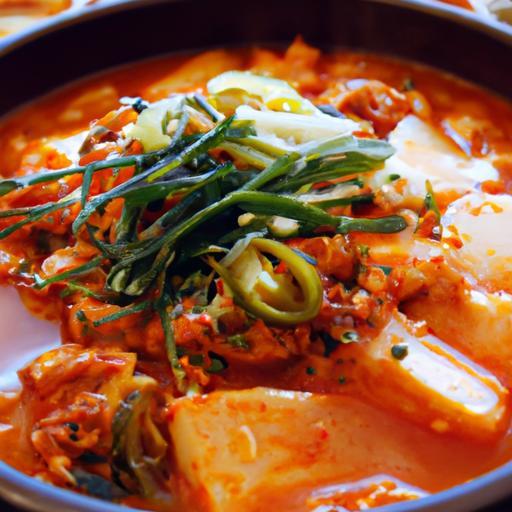
In the bustling streets of Korea, where vibrant flavors and rich histories intertwine, there simmers a stew that tells a story far beyond its spicy, hearty taste. Budae Jjigae,or “Army Base Stew,” is more than just a popular comfort food-it’s a flavorful fusion born from a unique blend of hardship,ingenuity,and cultural exchange. Emerging in the aftermath of the Korean War, this spicy stew combines traditional Korean ingredients with surplus processed goods from U.S. military bases, creating a dish that is as much a historical narrative as it is a culinary delight. Join us as we dive into the bubbling pot of Budae Jjigae, uncovering the rich tradition, diverse ingredients, and enduring legacy that make this stew a beloved symbol of resilience and creativity in Korean cuisine.
Budae Jjigae, also known as Korean Army Base stew, is a captivating fusion of history, flavor, and comfort that uniquely tells the story of post-korean War ingenuity. Emerging from a time when food was scarce and creativity was essential, this spicy, hearty stew blends traditional Korean elements with American-style processed foods, resulting in a communal dish loved across generations.
Prep and cook Time
- Prep Time: 15 minutes
- Cook Time: 25 minutes
- Total Time: 40 minutes
Yield
Serves 4 hearty portions
Difficulty Level
Medium – approachable for home cooks ready to explore bold flavors and layering ingredients.
key Ingredients That Define the Unique Flavor profile
At the heart of an unforgettable Budae Jjigae lies the delicate interplay of spicy, savory, and smoky notes. Key elements include:
- Korean gochujang (fermented red chili paste) for deep, spicy umami
- Kimchi adding tangy zest and depth
- Spam and hot dogs that lend rich, smoky protein
- Ramen noodles for satisfying chew and texture
- vegetables like mushrooms, green onions, and zucchini for freshness and earthiness
- garlic and ginger as subtle aromatic notes
- Beef broth or anchovy stock to build layers of savory complexity
Variations Across Korean Regions and Modern Twists
While the original stew began with humble canned goods and leftover supplies near U.S. military bases, regional adaptations have elevated Budae Jjigae into a culinary canvas. in Seoul, expect extra kimchi and spicier broths. Busan-style variants incorporate fresh seafood, offering a coastal freshness alongside the classic smokiness. Modern chefs experiment by swapping processed meats with duck or pork belly and even veganizing the stew with tofu and mushrooms, proving the dish’s flexible, evolving nature that honors tradition while inviting innovation.
tips for Crafting the Perfect Spicy Army Base Stew at Home
- Layer flavors methodically: Start by sautéing garlic and kimchi to release their aromas before adding the broth and paste.
- Balance spice and savoriness: Gochujang and kimchi heat marries perfectly with the mellow saltiness of Spam and broth.
- Be mindful of timing: Add delicate vegetables like zucchini and green onions last to keep their texture vibrant.
- Use high-quality broth: A robust beef or anchovy broth foundation makes all the difference.
- Don’t skip the noodles: Ramen noodles soak up the flavorful broth and give the stew heartiness.
- Customize spice levels: Adjust the amount of gochujang and chili flakes to suit your palate.
- Cook communal style: Traditionally served bubbling in a shallow pot, invite friends or family for a shared experience.
Ingredients
- 4 cups beef broth or anchovy stock
- 1 tablespoon vegetable oil
- 4 cloves garlic, minced
- 1 cup kimchi, chopped
- 2 tablespoons gochujang
- 1 tablespoon soy sauce
- 200g Spam, sliced into bite-size pieces
- 2 hot dogs, sliced diagonally
- 100g firm tofu, cubed
- 1/2 cup sliced mushrooms (shiitake or button)
- 1 small zucchini, half-moon sliced
- 2 green onions, chopped
- 1 package instant ramen noodles
- 1/2 cup baked beans (optional)
- 1 teaspoon toasted sesame oil
- Red chili flakes (gochugaru), to taste
Instructions
- Heat the vegetable oil in a large shallow pot or Korean earthenware (ttukbaegi) over medium heat. Add minced garlic and sauté until fragrant, about 1 minute.
- Add kimchi and stir-fry for 3-4 minutes until slightly caramelized to deepen flavor.
- Pour in beef broth and bring to a simmer. Stir in gochujang and soy sauce until fully dissolved.
- Arrange Spam, hot dogs, tofu, mushrooms, zucchini, and baked beans neatly atop the simmering broth for an inviting presentation. Do not stir instantly.
- Let the stew simmer gently for 10 minutes, allowing flavors to meld and ingredients to cook thru.
- Add ramen noodles and cook as directed on the package, usually 3-4 minutes, stirring occasionally to prevent sticking.
- Finish with chopped green onions, toasted sesame oil, and red chili flakes for an extra kick.
- Serve bubbling hot, ideally straight from the pot for communal sharing.
Chef’s Notes
- Substitution options: Replace hot dogs and Spam with pork belly or thinly sliced beef for a more authentic Korean protein experience.
- Vegetarian Adaptation: Use vegetable broth, tofu, mushrooms, and omit processed meats to craft a satisfying plant-based Budae Jjigae.
- Make it ahead: Prepare the broth and kimchi base in advance; assemble fresh ingredients just before cooking to maintain their texture.
- Spice level: For a milder stew, reduce gochujang or omit chili flakes, balancing with extra soy sauce for umami.
- Avoid overcooking noodles: Add them at the very end to prevent mushiness and maintain a pleasant bite.
Serving suggestions
Serve Budae Jjigae steaming hot in a wide, shallow pot straight onto the table. Complement it with steamed white rice and an assortment of Korean banchan such as kimchi, pickled radish, and seasoned spinach. Garnish with fresh green onions or thinly sliced chili for vibrant color. A chilled glass of soju or a crisp lager makes the perfect drink accompaniment, rounding out this communal, fiery feast.

| Nutrient | Per Serving |
|---|---|
| calories | 450 kcal |
| Protein | 25 g |
| Carbohydrates | 40 g |
| Fat | 18 g |
For a deeper dive into authentic Korean cooking techniques, check out our Guide to Korean Fermented Foods. To explore more on the history of Korean culinary culture, the Korea Times offers a rich collection of cultural insights.
Q&A
Q&A: Budae Jjigae – Exploring Korea’s Spicy Army Base Stew Tradition
Q1: What exactly is Budae Jjigae?
A1: Budae Jjigae, literally translating to “army base stew,” is a hearty Korean hot pot dish that uniquely blends traditional Korean flavors with Western ingredients.It’s a spicy, savory stew brimming with a melting pot of ingredients like kimchi, gochujang (korean chili paste), ramen noodles, vegetables, and-distinctively-processed meats such as Spam, hot dogs, and baked beans.
Q2: How did Budae Jjigae come to be? What’s its origin story?
A2: Budae Jjigae was born out of post-Korean War creativity and resilience during the late 1950s and early 1960s. Food was scarce, but Korean locals near U.S. army bases had access to surplus American processed foods. Ingeniously, they blended these ingredients with traditional Korean spices to create a flavorful, comforting stew-turning hardship into culinary invention.It’s a appetizing symbol of survival, fusion, and community.
Q3: Why is Spam such a star ingredient in Budae Jjigae?
A3: Spam-and other canned processed meats-were staples provided by U.S. military rations during and after the Korean War. These shelf-stable foods were incorporated enthusiastically into local cooking, giving budae Jjigae its distinctive texture and taste. Today, Spam has become synonymous with this stew, elevating it from wartime necessity to beloved delicacy.
Q4: How spicy is Budae jjigae? Will it set my mouth on fire?
A4: The heat level varies depending on the cook, but Budae Jjigae typically features a kick from gochujang and sometimes additional chili flakes. It’s boldly spicy but balanced by savory,umami-rich elements. The stew’s depth of flavor means the spice enhances rather than overwhelms. Those new to Korean heat can always adjust as they go!
Q5: Is Budae Jjigae only about the ingredients,or is there a social aspect to it?
A5: Absolutely,the social experience is key. Budae Jjigae is frequently enough enjoyed communally, simmering at the center of a table where friends and family gather to share stories, laughter, and multiple refills of stew. The bubbling pot acts as a flavorful centerpiece of connection and warmth, embodying Korea’s vibrant food culture of togetherness.
Q6: Can I make Budae Jjigae at home? What should I keep in mind?
A6: Definitely! Budae Jjigae is surprisingly simple to prepare, making it ideal for home cooks eager to explore Korean cuisine. Key tips: use a good-quality broth base, layer ingredients thoughtfully (starting with kimchi and broth, then adding meats and noodles), and cook it just long enough to meld flavors without overcooking the noodles or meats. Don’t forget to serve with steamed rice to soak up every last drop!
Q7: How has Budae Jjigae influenced modern Korean food culture?
A7: Budae Jjigae stands as a culinary metaphor for adaptability and fusion-qualities central to Korea’s evolving food scene. It honors history while embracing contemporary tastes, inspiring chefs to experiment with global ingredients in traditional formats. This stew’s enduring popularity is a testament to Korea’s innovative spirit and its food’s power to bridge past and present.
Q8: What’s the best place to try authentic Budae Jjigae?
A8: For the purists, South Korea’s cities near old U.S. military bases, like Uijeongbu (frequently enough called the “birthplace” of Budae Jjigae), have restaurants dedicated to this specialty. However, major cities like Seoul and Busan also boast vibrant eateries serving creative and classic versions.Wherever you go,look for bubbling pots rich with color,spice,and history-your taste buds will thank you!
Q9: Are there any interesting cultural or fun facts about Budae Jjigae?
A9: Here’s a spicy tidbit: Budae Jjigae was once affectionately nicknamed “the military stew” or “spam stew.” Despite its humble origins, it’s become so beloved that some Koreans celebrate it with annual festivals. It even appears in K-pop, Korean dramas, and street food stalls, encapsulating a proud blend of nostalgia and modern flavor.
Q10: Why should food lovers around the world explore Budae Jjigae?
A10: Budae Jjigae offers more than a meaty, spicy stew-it serves a bowlful of history, culture, and innovation. Sampling it is a delicious journey into Korea’s post-war resilience, communal spirit, and creative harmony of vastly different ingredients. If you wont to taste a story simmered in flavor and tradition, Budae Jjigae is your passport.
Enjoy diving spoon-first into the complex flavors and fascinating story of Korea’s iconic spicy army base stew!
Insights and Conclusions
As the steam rises from a bubbling pot of Budae Jjigae, it carries with it more than just the spicy, savory aromas that tease the senses-it carries a story of resilience, cultural fusion, and shared history. This humble stew, born from the crossroads of hardship and creativity, continues to warm tables and hearts across Korea and beyond.Whether you’re a culinary adventurer or a lover of rich traditions, diving into Budae jjigae is more than a meal-it’s a flavorful journey through time. so next time you crave something bold and comforting, remember that a bowl of this spicy army base stew isn’t just food; it’s a festivity of Korea’s enduring spirit and its ability to transform the simplest ingredients into a cultural icon.