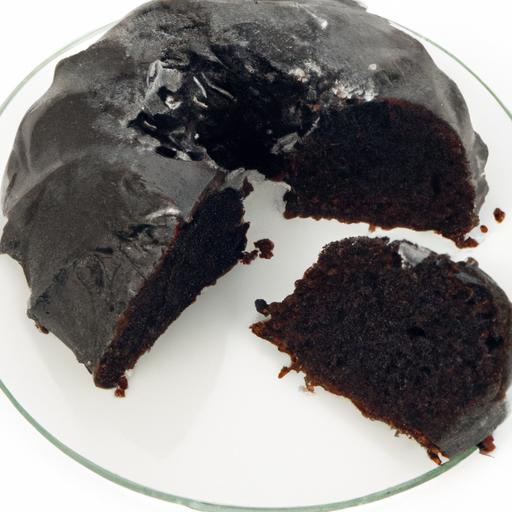


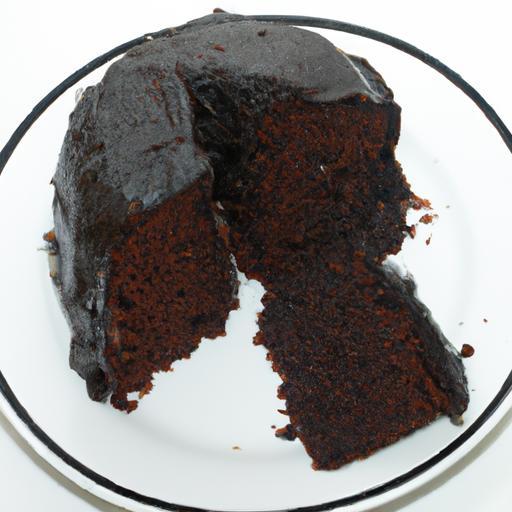
Steeped in history and bursting with deep, layered flavors, Caribbean Black Cake is much more than just a dessert-it is indeed a vibrant symbol of heritage, party, and resilience. This rich, dark, and fragrant cake, often enjoyed during festive occasions like Christmas and weddings, tells a story that spans centuries and cultures. Each bite offers a taste of carefully soaked dried fruits, a spirited splash of rum, and a legacy passed down through generations. In this article, we’ll explore the origins, cultural importance, and the intricate craft behind making Caribbean Black Cake, uncovering why this beloved treat remains an enduring treasure in Caribbean kitchens worldwide.
Caribbean Black Cake holds a deeply rooted place in the culinary heritage of the Caribbean, celebrated for its intense flavor, rich history, and festive spirit. This decadent fruitcake, often referred too as the crown jewel of holiday desserts, traces its origins to colonial times when european fruitcakes met the vibrant, tropical fruits and spices of the Caribbean. Passed down through generations, this cake symbolizes family unity, celebration, and tradition, creating a bridge from past to present with every moist, flavorful bite.
Prep and Cook Time
- Planning Time: 24 hours (including fruit soaking)
- Active Prep: 45 minutes
- Cooking Time: 2 hours 15 minutes
- Cooling Time: 3 hours
yield
- Serves 12 to 14 people
Difficulty Level
- Medium (requires advance preparation and patience with soaking fruits)
Key Ingredients and The Art of Soaking Fruits for Maximum Flavor
One of the secrets behind an authentic Caribbean Black Cake’s unrivaled depth is the carefully selected blend of dried fruits soaked over weeks in rich alcohol such as dark rum and red wine. The soaking not only plumps the fruits but infuses them with complex notes of spice and warmth, creating a luxurious tapestry of flavor.
- 1 ½ cups mixed dried fruits (currants, raisins, prunes, cherries, and dates), chopped
- 1 cup dark rum and ½ cup red wine for soaking
- 2 ½ cups all-purpose flour, sifted
- 1 ½ cups brown sugar, packed
- 1 cup unsalted butter, softened
- 4 large eggs, room temperature
- 2 tsp baking powder
- 1 tsp mixed spice (cinnamon, nutmeg, clove)
- 1 tsp vanilla extract
- ¾ cup molasses
- ½ cup pimento dram or additional rum(optional, boosts flavor intensity)
Step by Step Guide to Baking the Perfect moist and Rich black Cake
- Prepare the soaked fruits: In a large glass bowl, combine the chopped dried fruits with dark rum and red wine. Cover tightly and refrigerate for at least 2 weeks,stirring every few days to ensure even soaking. this step is crucial for flavor development.
- Preheat oven and prepare your pans: Set oven to 275°F (135°C). Grease and line two 8-inch round cake pans with parchment paper for easy release and even cooking.
- Cream butter and sugar: In a large mixing bowl, beat the softened butter and brown sugar together until light and fluffy, about 5 minutes.
- Add eggs gradually: Beat in eggs one at a time, making sure each is fully incorporated before adding the next to maintain a smooth batter.
- Mix in molasses and vanilla: Stir in the molasses and vanilla extract for that quintessential deep color and rich aroma.
- Combine dry ingredients: In a separate bowl, whisk together the sifted flour, baking powder, and mixed spice.
- Integrate dry and wet ingredients: Gradually fold the dry ingredients into the wet mixture, stopping before fully combined.
- Incorporate soaked fruits and pimento dram: Fold in the soaked fruits with their liquor, along with the pimento dram (if using). Stir gently but thoroughly to distribute fruits evenly without overmixing.
- Transfer batter and bake: Divide the batter evenly between the prepared pans and smooth the tops. Bake in the preheated oven for about 2 hours and 15 minutes, testing doneness with a skewer-it shoudl come out mostly clean with a few moist crumbs.
- Cool and age: Allow cakes to cool in pans for 15 minutes, then turn out onto wire racks.Wrap tightly once cooled. For best flavor and moistness, let the cake mature for at least 1 week, occasionally brushing with rum or syrup to maintain moisture.
Tips for Storing and Serving to Preserve Tradition and Enhance Taste
wrapping the cake well in parchment paper followed by a layer of foil helps the flavors meld while locking in moisture. Stored in an airtight container or tin, Caribbean Black Cake can be enjoyed fresh or matured for months, becoming richer with time.
For serving, present slices accompanied by a steaming cup of spiced tea or a glass of dark rum. Garnish with a dusting of powdered sugar, edible gold leaf, or tart maraschino cherries for a festive and visually stunning touch.
Chef’s Notes
- Fruit Soaking Variations: Substitute or add dried apricots or figs for extra texture, or macerate fruits longer for a more intense rum flavor.
- Alcohol-Free Option: Replace rum and wine with warm fruit juices or non-alcoholic molasses syrup for a family-friendly version.
- Mold troubleshooting: If cakes crack, reduce oven temperature slightly and bake longer to ensure gentle, even heat.
- Make-Ahead Friendly: This cake is ideal for preparing well in advance of holidays-its flavors improve after resting.
- Pan Choice: Use a heavy-duty, preferably non-stick pan to ensure even baking and easy removal.
Serving Suggestions
Slice the Black Cake into thin wedges to appreciate its moist richness. Pair it with a side of rum-spiked whipped cream or a shining, citrusy sorbet to balance the deep sweetness. A decorative plate dusted lightly with cinnamon or nutmeg enhances aroma as guests gather.

| Nutrient | Per Serving |
|---|---|
| Calories | 350 |
| Protein | 3g |
| Carbohydrates | 45g |
| Fat | 15g |
For an enriching exploration of Caribbean flavors, check out our detailed guide on Caribbean Spices and Flavors. To understand the ancient context of fruitcake in global cuisine, visit Britannica’s Fruitcake Overview.
Q&A
Q&A: Caribbean Black Cake – A Rich Tradition of Flavor and History
Q1: What exactly is Caribbean Black Cake?
A1: Caribbean Black Cake is a dense, moist fruitcake that bursts with deep, complex flavors. It’s traditionally made with dried fruits soaked in rum and wine for months, then baked into a rich, dark cake.Often enjoyed during Christmas and special celebrations, it embodies a fusion of history, culture, and culinary expertise in every bite.
Q2: How did Black Cake come to be such a staple in Caribbean culture?
A2: The roots of Black Cake trace back to English plum puddings and fruitcakes, introduced during colonial times. Enslaved Africans and Caribbean locals adapted these recipes, infusing them with their own ingredients, techniques, and tastes. Over time, Black Cake evolved into a symbol of resilience and celebration, passed down through generations.
Q3: What makes Caribbean Black Cake different from other fruitcakes?
A3: Unlike manny fruitcakes, Caribbean Black Cake is soaked with rum and sometimes wine for weeks-or even months-maturing the flavors to a luscious richness. It’s darker due to caramelized sugar (often burnt sugar syrup), and uses a blend of exotic spices like cinnamon, nutmeg, and cloves. The result is a cake that’s not just fruity, but aromatic and deeply flavorful.
Q4: Why is rum essential in Black Cake recipes?
A4: Rum is more than just a flavor enhancer-it’s a connection to Caribbean heritage. Rum’s warmth and sweetness balance the bitterness of the burnt sugar and the tartness of dried fruits,creating that signature depth. Plus, it acts as a preservative, allowing the cake to mature over time, developing its legendary taste.
Q5: Can Black Cake be made without alcohol?
A5: While traditionalists swear by rum, there are non-alcoholic versions using fruit juices, teas, or extracts.However, purists argue these miss the soul of Black Cake’s flavor profile and cultural significance. For the authentic experience, alcohol-soaked fruits are key.
Q6: How is Black Cake typically enjoyed today?
A6: Beyond the Christmas table, Black Cake graces birthdays, weddings, and family reunions.It’s frequently enough sliced thinly-rich and heavy-paired with tea or coffee.many Caribbean families cherish the ritual of sharing a slice, telling stories, and celebrating togetherness.
Q7: What does Black Cake symbolize in Caribbean culture?
A7: More than dessert, Black Cake signifies heritage, unity, and the sweetness of life’s endurance. It tells a story of colonial history, cultural blending, and creativity. Each slice is a taste of tradition, memory, and celebration-passed lovingly from one generation to the next.
Q8: Are there regional variations of Black Cake in the Caribbean?
A8: Absolutely! While the core concept remains, some islands emphasize different fruits, spices, or soaking liquids. As a notable example,Jamaica might lean into darker rum and a heavier molasses base,while Trinidad and Tobago might feature a lighter fruit blend. Each version reflects the island’s unique palate and history.
Q9: What are some tips for making the perfect Black Cake at home?
A9: Start early-soak your fruits in rum and wine at least a few weeks ahead for optimal flavor. Use burnt sugar syrup to achieve that rich, dark color and caramel note. Don’t rush the baking; low and slow helps keep it moist. And let it rest wrapped up for weeks if possible-the longer, the better!
Q10: Why should people outside the Caribbean try Black Cake?
A10: Caribbean Black Cake offers a journey through history and flavor that few other desserts can match. It’s a tasty gateway to Caribbean culture, a testament to culinary tradition, and a decadent treat that delights the senses with every bite. For food lovers and culture enthusiasts alike, it’s a slice of heritage worth savoring.
In Retrospect
As the final slice of Caribbean Black Cake is savored, one begins to appreciate that this rich, fruit-laden dessert is far more than just a festive treat.It is indeed a living tapestry of history, culture, and celebration-a delicious bridge connecting generations and islands across the Caribbean. Each bite tells a story of resilience, tradition, and the joyous spirit of community gatherings.So, whether enjoyed during Christmas, weddings, or cherished family moments, Caribbean Black Cake remains a flavorful emblem of heritage, inviting all who taste it to savor not just its complexity, but the vibrant history that created it.