

Exploring Ethiopian Dabo Bread: A Flavorful Cultural Delight
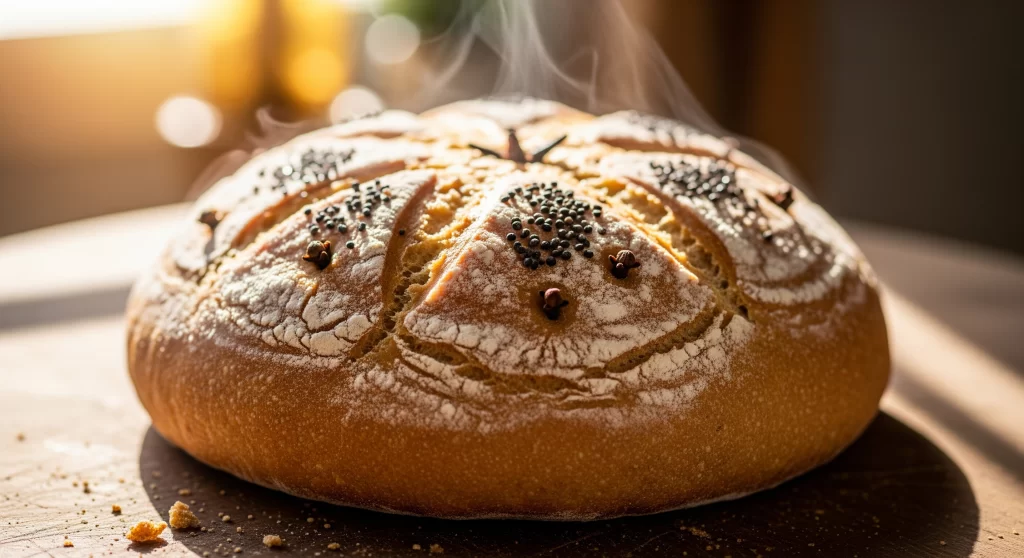
In the heart of Ethiopia,where ancient traditions intertwine with vibrant cultures,there lies a culinary gem that has stood the test of time-Dabo bread. This iconic flatbread is not merely a staple of the Ethiopian diet; it is a tapestry woven with the threads of history, community, and the spirit of togetherness. With its golden crust and soft, airy interior, Dabo beckons food lovers to embark on a sensory journey that transcends borders.In this article, we will delve into the rich heritage of Dabo bread, uncovering its significance in Ethiopian culture, its unique preparation methods, and the delightful flavors that make it a beloved addition to any meal. Join us as we explore how this simple yet profound food piece serves not only as nourishment but also as a symbol of hospitality and shared joy within households and gatherings across the nation. Whether you are an adventurous eater or a cultural enthusiast, dabo bread promises to tantalize your taste buds and warm your heart with every bite.
The rich History and Traditions Behind Dabo Bread
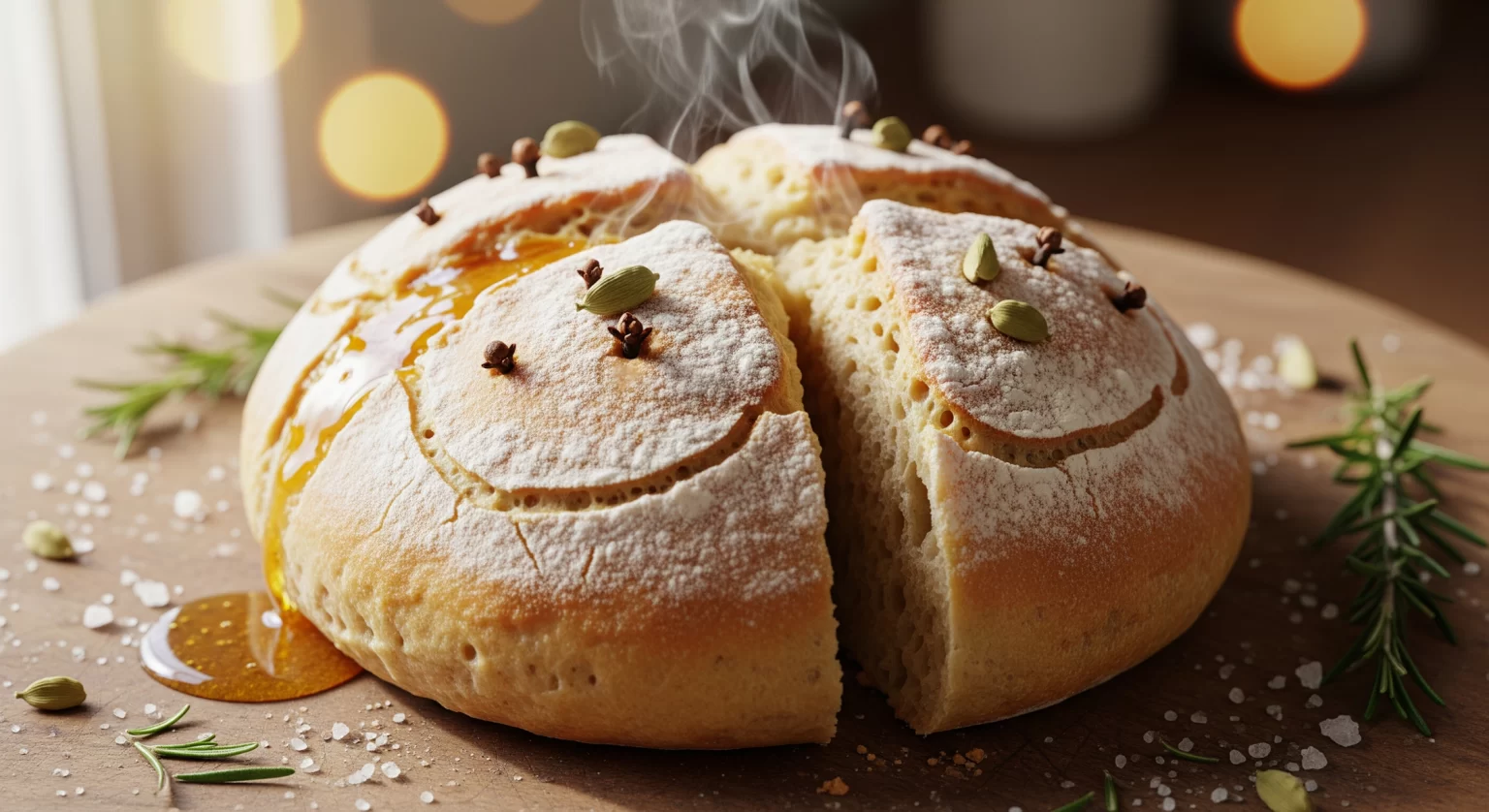
Exploring Ethiopian Dabo Bread is more than just a culinary experience; it is indeed a journey into the heart of Ethiopia’s vibrant culture and traditions. Dabo, a cherished part of Ethiopian households, is a conventional bread that has been enjoyed for centuries. Frequently enough baked during special occasions such as weddings and religious festivities, Dabo symbolizes hospitality and community. Its distinctive texture and slightly sweet flavour make it a beloved staple, ofen paired with hearty stews and vegetables. In communities across Ethiopia, the making of Dabo is often a communal activity, bringing families and friends together to share in the joy of baking.
Prep and Cook Time
Prep Time: 30 minutes
cook time: 45 minutes
Rest Time: 1 hour
Total Time: 2 hours 15 minutes
Yield
Servings: 8
Difficulty Level
Level: Medium
ingredients That Make Dabo a Unique Culinary Experience
- 4 cups all-purpose flour, sifted
- 1 cup warm water (110°F or 43°C)
- 1/4 cup honey
- 2 teaspoons sugar
- 1 tablespoon active dry yeast
- 1 teaspoon salt
- 1/4 cup vegetable oil
- 2 teaspoons ground cardamom (optional for additional flavor)
- sesame seeds for topping (optional)
Mastering the Art of Baking Dabo at Home
- In a small bowl, combine the warm water, sugar, and active dry yeast. let it sit for about 10 minutes until it becomes frothy, indicating that the yeast is active.
- In a large mixing bowl, whisk together the all-purpose flour, salt, and ground cardamom (if using).
- Make a well in the center of the flour mixture and add the frothy yeast mixture along with the honey and vegetable oil.
- Mix together until the dough begins to form. If it’s too wet, gradually add more flour, one tablespoon at a time, until the dough is manageable.
- Knead the dough on a floured surface for about 8-10 minutes until it is smooth and elastic. The dough should spring back when gently pressed.
- Place the kneaded dough in a greased bowl, cover it with a damp cloth, and let it rise in a warm, draft-free area for about 1 hour or until it has doubled in size.
- Punch down the risen dough and shape it into a round loaf. Place it on a baking sheet lined with parchment paper or in a greased round cake pan.
- Cover the dough again and let it rise for another 30 minutes.
- Preheat your oven to 375°F (190°C). If desired, sprinkle sesame seeds on top of the risen dough for an appealing finish.
- Bake for 30-35 minutes or until the bread is golden brown and sounds hollow when tapped on the bottom. Cool on a wire rack.
Chef’s Notes
The art of baking dabo Bread can be adjusted based on personal taste preferences. To add a twist, consider incorporating spices like cinnamon or even finely chopped nuts. If your looking to make this ahead of time, Dabo can be frozen after baking; simply wrap it tightly and store it in an airtight container. when ready to enjoy, thaw and reheat in the oven for a fresh-baked taste.
Pairing Dabo Bread with Traditional Ethiopian Dishes
Dabo is best served warm, accompanied by the rich, bold flavors of Ethiopian dishes. Consider pairing it with:
- Dulet – A slow-cooked mix of minced meat, vegetables, and spices.
- Shiro – A chickpea stew flavored with garlic,onions,and traditional spices.
- Awaze Kitfo – A raw beef dish seasoned with spices and clarified butter for the brave.
For an extraordinary presentation, cut slices of Dabo and serve with a platter of stews, fresh salads, and a sprinkle of green herbs on top for a visual pop. Remember, the beauty of Dabo lies in sharing; so gather your loved ones around the table!
| Nutritional Information (per serving) | Calories | Protein | carbs | Fat |
|---|---|---|---|---|
| Dabo Bread | 180 | 4g | 34g | 3g |
Enjoy the flavorful experience of this beloved Ethiopian Dabo Bread, enriching your culinary journey while creating cherished memories with friends and family.
Q&A
Q&A: Exploring Ethiopian Dabo Bread: A flavorful Cultural Delight
Q1: What is Ethiopian Dabo bread, and how is it different from othre types of bread?
A1: Dabo bread is a traditional Ethiopian loaf that brings together rich history and flavor. Unlike standard white or whole grain breads, Dabo is typically made with a blend of whole wheat flour and sometimes barley or corn flour, giving it a dense, earthy flavor. its unique spongy texture is perfect for soaking up the beloved stews and sauces of Ethiopian cuisine, known as wot, making it a staple at any communal meal.
Q2: What are the key ingredients used in making Dabo bread?
A2: The primary ingredients of Dabo bread are whole wheat flour,water,yeast,and salt. Some variations may include spices like fenugreek, which adds a distinct aroma and enhances the flavor profile. The inclusion of these ingredients not only contributes to the bread’s wonderful taste but also reflects the agricultural bounty of Ethiopia, where grains are a key part of the diet.
Q3: Can you describe the traditional process of making Dabo bread?
A3: The making of Dabo bread is a labor of love, often involving the entire family or community. First,the flour is mixed with water and yeast,and left to rise until it doubles in size. This fermentation is essential for developing the bread’s complex flavors. The dough is then shaped into a round loaf, traditionally placed in a clay oven known as a “meselet” or on a hot stone, creating a beautifully crusty exterior while maintaining a soft, chewy interior. The careful attention to this process highlights its cultural significance and communal roots.
Q4: In what contexts is Dabo bread typically served, and what dishes accompany it?
A4: Dabo bread is a centerpiece of Ethiopian feasting culture. It is commonly served during festive occasions, family gatherings, and communal meals, often accompanied by various types of wot, such as spicy lentil stew (misir wot) or vegetable stew. The act of breaking the bread and using it to scoop up these hearty dishes is not just a meal-it’s a shared experience that emphasizes hospitality and togetherness within Ethiopian culture.
Q5: What makes Dabo bread a symbol of Ethiopian culture?
A5: Dabo bread encapsulates the essence of Ethiopian communal life. Its preparation and consumption foster unity among family and friends, playing a vital role in social rituals and celebrations. The bread is a tangible link to Ethiopian heritage, showcasing the region’s agricultural practices and the artistry of traditional baking methods.Its flavor and texture celebrate the diversity of Ethiopia’s ingredients, reflecting the country’s rich cultural landscape.
Q6: How can someone recreate this delightful bread at home?
A6: While it may take a bit of practice to master Dabo bread, home bakers can enjoy the experience by sourcing quality whole wheat flour and fresh yeast. Start by mixing the flour with warm water, allowing it to rise in a warm place for several hours. Once risen, shape the dough into a round loaf, letting it rest again before baking it in a preheated oven or a hot stone. Experimenting with spices like fenugreek or incorporating seeds can add a personal twist while staying true to its roots-making the process even more enjoyable!
Q7: What health benefits can Dabo bread offer compared to other breads?
A7: Dabo bread, made primarily from whole grains, is a nutritious option that provides essential vitamins, minerals, and fiber compared to refined white bread. The presence of whole grains is known to support digestive health, stabilize blood sugar, and contribute to overall wellness. Additionally, its filling nature prompts shared meals that can promote mindfulness and enjoyment during the dining experience.
By exploring Dabo bread, you not only savor a delightful culinary creation but also connect with the heart and soul of Ethiopian culture. Enjoy this delicious journey!
Key Takeaways
As we conclude our journey through the warm and inviting world of Ethiopian Dabo bread,it becomes clear that this simple loaf embodies much more than mere sustenance; it is indeed a vibrant testament to the rich tapestry of Ethiopian culture and tradition. Each bite transports you to bustling markets, lively family gatherings, and the deep-rooted customs that have shaped this extraordinary bread over centuries.
Whether enjoyed traditionally with a hearty stew or savored on its own, Dabo serves as a bridge, connecting people and inviting them to share in the unique flavors of Ethiopia. It invites exploration, encouraging food lovers to delve deeper into the nation’s culinary heritage and the stories woven into each loaf.
So, the next time you savor the soft, slightly sweet texture of Dabo bread, remember that you are partaking in a celebration of community, history, and the artistry of Ethiopian cuisine. Let this delightful bread inspire you to explore further, taste boldly, and embrace the rich cultures that make our world beautifully diverse. Happy eating!