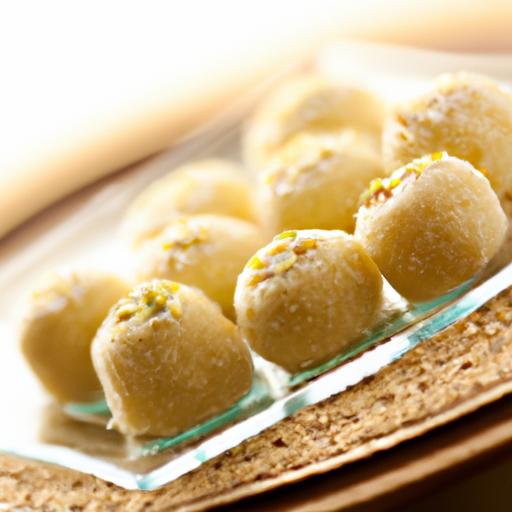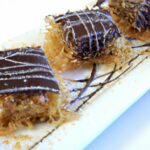


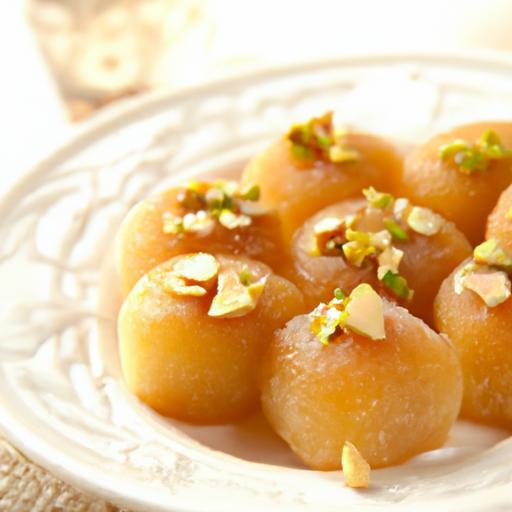
As the crescent moon heralds the arrival of Eid, a vibrant tapestry of culture, faith, and festivity comes to life, weaving together families and communities in joyous celebration. Among the many cherished traditions that mark this auspicious occasion, the sweet treats hold a special place, embodying the essence of generosity, gratitude, and togetherness. From the delicate, syrup-soaked pastries of baklava to the rich, spiced aromas of maamoul, each confection tells a story of heritage and hospitality, tantalizing taste buds and warming hearts. join us on a delectable journey as we explore the irresistible sweets that grace Eid tables around the world, delving into their history, significance, and the cherished recipes that have been passed down through generations. In this celebration of flavors, let us discover not just the treats, but the sweet traditions that bind us together in the spirit of Eid.
Sweet Traditions: Exploring Eid’s irresistible Treats
Sweet traditions not only bring people together; they also tell stories that transcend generations. As families gather to commemorate Eid, confections hold a cherished place on the table, symbolizing joy, gratitude, and community.One of the most beloved treats associated with Eid is the delectable Baklava, rich with layers of flaky pastry, fragrant nuts, and a heavy drizzle of honey. This iconic dessert, with origins that trace back to the Ottoman Empire, has inevitably woven itself into the fabric of Eid celebrations across various cultures, inviting everyone to indulge in its irresistible flavors.
Prep and Cook Time
Prep Time: 30 minutes
Cook Time: 45 minutes
Cooling Time: 2 hours
Yield
Servings: 24 pieces
Difficulty Level
Medium
Ingredients
- 1 package (16 oz) of phyllo pastry, thawed
- 2 cups unsalted butter, melted
- 2 cups mixed nuts (walnuts, pistachios, almonds), finely chopped
- 1 teaspoon ground cinnamon
- 1 cup granulated sugar
- 1 cup water
- 1 cup honey
- 1 teaspoon vanilla extract
Instructions
- Preheat yoru oven to 350°F (175°C).
- In a bowl, mix the chopped nuts with ground cinnamon. Set aside.
- Carefully unroll the phyllo pastry and cover it with a damp kitchen towel to prevent it from drying out.
- Brush a 9×13 inch baking dish with melted butter. Lay down the first layer of phyllo, brushing it lightly with butter. Repeat this process with 7 more sheets, building a base of 8 layers.
- Spread a thin layer of the nut mixture (about 1 cup) evenly over the phyllo.
- Cover the nuts with 2 more phyllo sheets, each brushed with butter, and then add another layer of nut filling. Repeat until all walnuts are used, finishing with 8 layers of phyllo on top, brushing each layer with butter.
- Using a sharp knife, score the top layers into diamond or square shapes. Brush the entire top with any remaining butter.
- bake for 45 minutes or until golden brown and crispy.
- While the baklava is baking, prepare the syrup. In a saucepan, combine the granulated sugar, water, and honey. Bring to a boil and simmer for 10 minutes.Remove from heat and stir in vanilla extract.Allow syrup to cool.
- Once the baklava is baked, remove it from the oven and instantly pour the cooled syrup over it, allowing it to seep into the cuts. Let sit for at least 2 hours before serving.
Chef’s Notes
tips for Success: to make it easier to manage, work with one stack of phyllo dough layers at a time while keeping the remaining sheets covered. if you’re feeling adventurous, experiment with flavors in your nut mixture, such as adding a touch of cardamom or a hint of rose water for an aromatic twist. For a make-ahead treat,baklava can be prepared a day in advance,ensuring flavors deepen while you enjoy Eid festivities.
Serving Suggestions
Serve the baklava warm or at room temperature, garnished with crushed pistachios or a dusting of powdered sugar for a touch of elegance. Pair it with Arabic coffee or mint tea for a refreshing complement, capturing the essence of Eid’s sweet celebrations.
| Nutritional Information (per piece) | Calories | Protein | Carbs | Fat |
|---|---|---|---|---|
| Bakalava | 150 | 2g | 20g | 8g |
As the aroma of baklava fills the air, families unite over this joyful treat. So, gather your loved ones, embrace the sweet traditions, and discover the rich history behind this exquisite dessert that continues to light up celebrations around the globe. Enjoy every sacred moment as you savor these delectable delights.
Q&A
Q&A: Sweet Traditions – Exploring Eid’s Irresistible Treats
Q: What makes sweets so special during the celebration of Eid?
A: Sweets during Eid carry rich cultural significance, symbolizing joy, gratitude, and the spirit of sharing. They serve not just as delightful treats,but as a gesture of hospitality and love,bringing families and communities together to celebrate the end of fasting with a sweet note.
Q: What are some traditional sweets commonly enjoyed during Eid?
A: A delightful array of sweets graces Eid tables,with each region boasting its own specialties. Popular treats include Baklava, a layered pastry filled with nuts and drenched in syrup; Knafeh, a sweet cheese pastry topped with syrup and pistachios; and Maamoul, delicate shortbread cookies filled with dates or nuts. Each bite melds tradition with flavor, offering a taste of cultural heritage.
Q: How are these sweets typically prepared?
A: Preparation varies from family to family, often involving generations-old recipes. For example, baklava is crafted from hand-rolled phyllo dough layered with a mixture of nuts, usually walnuts or pistachios, and brushed with butter. After baking, it’s drenched in a sugary syrup flavored with rose or orange blossom water. The process can be intricate, but the result is a labor of love enjoyed by all.
Q: Why is it customary to share these sweets with neighbors and friends?
A: Sharing sweets during Eid is a way to strengthen community bonds and express goodwill. It emphasizes a sense of unity and generosity, reminding us that the joys of Eid are meant to be celebrated collectively. Families frequently enough prepare extra treats to share, reflecting the spirit of giving that is central to the holiday.
Q: Can you suggest any modern twists on traditional Eid sweets?
A: Absolutely! Many are experimenting with flavors and ingredients to create a fusion of tastes. As an example, you might find Baklava infused with matcha or Knafeh topped with fruit like mango or passionfruit. These contemporary adaptations celebrate tradition while inviting innovation, allowing each generation to contribute its unique flair to the festive table.
Q: What role do desserts play in bringing families together during Eid?
A: Desserts act as a sweet centerpiece during Eid gatherings, uniting families in both preparation and enjoyment. Baking together fosters connections, as recipes are frequently enough shared and passed down, and the act of indulging in these treats becomes a cherished tradition. The laughter and stories exchanged over a table laden with sweets create lasting memories and a sense of belonging.
Q: How have these sweet traditions evolved in recent years?
A: With the influence of globalization, many Eid sweets have evolved, incorporating a variety of ingredients and presentations. While traditional staples remain beloved, there’s now a growing trend toward healthier alternatives using natural sweeteners and gluten-free flours. This evolution allows families to cater to different dietary preferences while keeping the heart of Eid’s sweetness intact.
Q: What tips do you have for those wanting to try making Eid sweets for the first time?
A: Start with simple recipes, like Maamoul or Baklava, that allow for plenty of creativity and personalization. Gathering with family or friends to make these sweets can be as rewarding as enjoying them. Don’t be afraid to experiment with flavors and shapes; the key is to have fun and enjoy the sweet journey of creating tasty memories!
Q: Where can people learn more about the diverse sweets celebrated during Eid across different cultures?
A: Many cookbooks and online platforms celebrate the culinary diversity of Eid sweets. Exploring blogs, cultural documentaries, and social media can provide inspiration and insight. Local community celebrations often highlight these sweets, offering a chance to experience them firsthand and learn about their stories from those who cherish them. Embrace the journey of finding – there’s a world of flavors waiting to be savored!
Final Thoughts
As we conclude our delicious exploration of “Sweet Traditions: Exploring Eid’s Irresistible Treats,” it becomes clear that these mouthwatering delights are not merely confections; they are a celebration of culture, unity, and love. Each bite of baklava, every morsel of sheer khurma, and the delightful sweetness of maamoul carry with them the lush tales of generations-stories woven together through shared flavors and cherished moments.
Eid is a time of reflection, gratitude, and joy, and the sweets that grace our tables serve as both a symbol and a vehicle for these sentiments. As you indulge in these treats, think of the hands that crafted them, the families that passed down their recipes, and the joyous celebrations that surrounded their creation.So, whether you’re partaking in these traditions or discovering them for the first time, may your celebrations be vibrant, your gatherings heartwarming, and your sweet moments endless. Here’s to savoring not just the flavors of Eid, but the bonds they foster-and to carrying these traditions forward, one delectable bite at a time. Happy Eid!