

Decadent Delight: The Art of Baking French Brioche Rolls
imagine walking into a quaint Parisian bakery, the air heavy with the buttery aroma of freshly baked bread, where each loaf tells a story of tradition and craftsmanship. Among the golden loaves, brioche stands out-its soft, rich texture cradling an inviting sheen that beckons you to take a bite. Brioche, a classic French bread renowned for its decadent flavor and fluffy crumb, is more than just a treat; it is indeed a symphony of ingredients that come together in perfect harmony. In this article, we’ll take you on a journey through the enchanting process of baking French brioche rolls, unraveling techniques that transform simple elements-flour, eggs, butter, and sugar-into culinary masterpieces. Weather a seasoned baker or a curious novice, discover the artistry that lies behind these irresistible rolls, and learn how to bring a touch of French elegance into your own kitchen. Prepare to indulge your senses and elevate your baking repertoire as we delve into the world of brioche, where every roll is a testament to the joy of creating and sharing delectable delights.
The Origins and Evolution of French Brioche: A Culinary Journey
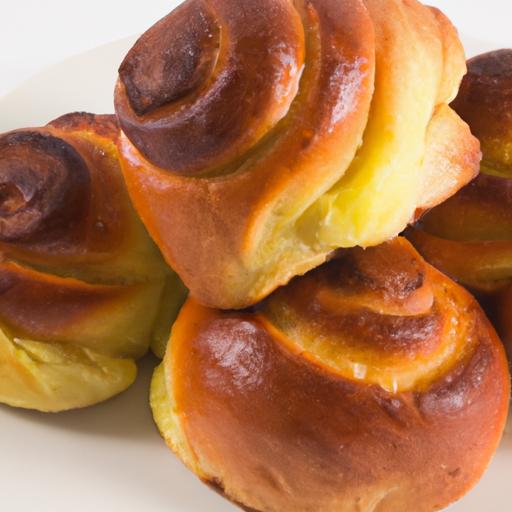
Decadent Delight: The Art of Baking French Brioche Rolls embodies a rich tradition that traces back to the heart of Normandy, France.Originally a simple bread baked during festive occasions, brioche has evolved into a symbol of indulgence, celebrated for its airy texture and golden, flaky crust. With its layers of butter and sugar, brioche is not just a bread; it’s a luxurious experience. Whether served as a breakfast treat, a savory accompaniment, or a dessert base, mastering the art of brioche opens the door to countless culinary possibilities.
Prep and Cook Time
- Prep Time: 20 minutes
- Resting Time: 3 hours (includes two rises)
- Cook Time: 25-30 minutes
Yield
This recipe yields 12 rich and fluffy brioche rolls.
Difficulty Level
Medium
ingredients
- 4 cups all-purpose flour,sifted
- ½ cup granulated sugar
- 1 teaspoon salt
- 1 packet (2 ¼ teaspoons) active dry yeast
- ½ cup whole milk,warmed
- 4 large eggs,at room temperature
- 1 cup unsalted butter,softened and cubed
- 1 egg,beaten (for egg wash)
Instructions
- In a small bowl,combine the warm milk and yeast,letting it sit for about 5 minutes until frothy.
- In a large mixing bowl, whisk together flour, sugar, and salt.
- Create a well in the center of the dry mixture and add the yeast mixture along with the eggs.
- Using a wooden spoon or dough hook, mix until a soft dough begins to form.
- Gradually incorporate the butter, a few cubes at a time, kneading until fully combined and the dough is smooth and elastic-this will take about 10 minutes.
- Shape the dough into a ball and place it in a greased bowl, covering it with a damp cloth. Allow it to rise in a warm place for about 1.5 hours, or until double in size.
- Once risen, punch down the dough gently and let it rest for 10 minutes.
- Divide the dough into 12 equal pieces and shape them into balls. Place the balls in a greased baking dish, close together but not touching. Cover and let rise for an additional 1 hour.
- During the last 15 minutes of rising, preheat your oven to 375°F (190°C).
- Brush the tops of the rolls with the beaten egg for a shiny finish. Bake for 25-30 minutes, or until golden brown and a toothpick inserted in the center comes out clean.
- Allow the brioche to cool slightly in the pan before transferring to a wire rack to cool wholly.
Chef’s Notes
- For a touch of sweetness, add a tablespoon of vanilla extract to the dough during mixing.
- If you prefer a richer flavor, consider replacing some of the milk with heavy cream.
- Brioche can be made ahead: after shaping the rolls, you can cover and refrigerate them overnight. Just allow additional time for them to rise before baking.
- Ensure your butter is at room temperature for easy incorporation into the dough.
Serving Suggestions
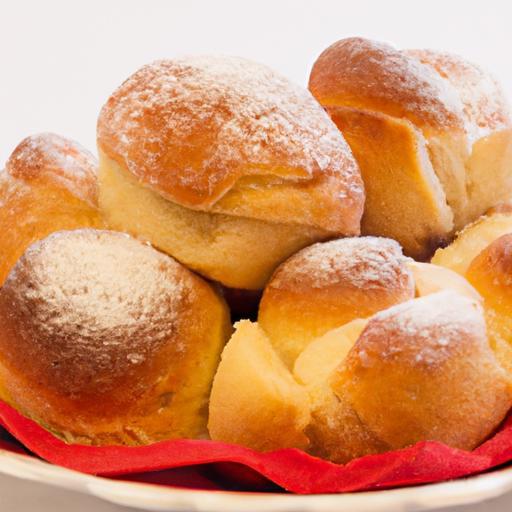
Enjoy your brioche rolls warm, slathered with butter and fruit preserves, or serve them alongside a bowl of fresh berries for a delightful breakfast. these rolls also make an excellent base for French toast or can be transformed into a sumptuous bread pudding. For a gourmet touch,dust with powdered sugar before presenting,or pair with a scoop of vanilla ice cream drizzled with caramel sauce for dessert.
| Nutritional Details (per roll) | Calories | protein | Carbs | Fat |
|---|---|---|---|---|
| Brioche Roll | 220 | 5g | 30g | 10g |
Embarking on the journey of baking French brioche rolls is not just about crafting a recipe; it’s about celebrating the art of baking itself. The light, fluffy texture and rich flavor will surely impress your family and friends, making this decadent delight a staple in your culinary repertoire.
Q&A
Decadent Delight: The Art of baking French Brioche Rolls – Q&A
Q: What makes brioche rolls special compared to other bread?
A: Brioche rolls are a unique indulgence in the world of baking thanks to their rich, buttery flavor and soft, pillowy texture. Made with a higher ratio of eggs and fat (often butter), these rolls have a tender crumb that melts in your mouth. They offer a luxurious sweetness that makes them perfect for both sweet and savory dishes, elevating breakfast or any meal to a decadent experience.
Q: Can you share the key ingredients needed to make brioche rolls?
A: Absolutely! The essential ingredients for a classic brioche roll include all-purpose flour, eggs, unsalted butter, sugar, milk, active dry yeast, and a pinch of salt. Each element plays a vital role; for example, the eggs contribute to the dough’s richness, while the butter ensures that delightful melt-in-your-mouth quality.
Q: Is it difficult to make brioche rolls at home?
A: While brioche does require some patience and technique, it’s certainly achievable for home bakers! The most critical steps involve accurately measuring your ingredients, allowing the dough to rise properly, and kneading until you achieve that silky texture. Once you master the process,you’ll find it’s a rewarding journey filled with the fragrant anticipation of a freshly baked treat.
Q: How do I incorporate flavors into my brioche rolls?
A: The beauty of brioche lies in its versatility! You can fold in a variety of flavorings during the mixing stage-think zesty citrus zest, aromatic vanilla, or even a hint of nutmeg for warmth. For a fruity touch, consider adding dried fruits like raisins or cranberries. If you’re feeling adventurous, nut butters or chocolate chips can also be delightful additions!
Q: What is the best way to shape brioche rolls for a classic look?
A: Shaping brioche rolls is part of the creative fun! For classic round rolls, divide your dough into equal pieces and shape each into a smooth ball, pinching the seams underneath. Alternatively, for a more decorative touch, you can roll the dough into a rope, curl it into a spiral, or create a knotted shape. Remember, the dough likes to rest just a little, so don’t hesitate to let them rise again before baking for that perfect puff.
Q: How can I tell when my brioche rolls are perfectly baked?
A: The aroma wafting through your kitchen will be a first clue! For a visual check, the rolls should be a deep golden brown on top and sound hollow when tapped. If you have a kitchen thermometer, a reading of about 190°F (88°C) in the center of the rolls will indicate that they are fully cooked. Trust your senses, and don’t forget to give them a little cooling time before digging in!
Q: What’s the ideal way to enjoy freshly baked brioche rolls?
A: Freshly baked brioche rolls are delightful on their own, but you can elevate your experience further! Slather them with a touch of soft butter or spread on your favorite jam or almond butter. They also make a splendid base for sandwiches, filled with rich cheeses, fresh vegetables, or even a hint of honey. The possibilities are truly endless!
Q: Can I freeze brioche rolls for later enjoyment?
A: Yes, you absolutely can! After baking, let the rolls cool completely, then wrap them tightly in plastic wrap or place them in an airtight container. They can be stored in the freezer for up to three months. When you’re ready to enjoy them, simply thaw at room temperature or warm them slightly in the oven for that freshly baked taste.
crafting brioche rolls is an art form that invites both creativity and comfort into your kitchen. So, roll up your sleeves, embrace the decadence, and let the delightful scent of brioche fill your home!
Key Takeaways
As we draw the curtain on this exploration of French brioche rolls, it’s clear that baking these luscious, golden creations is more than just a culinary task-it’s an art form steeped in tradition and laden with personal flair. whether you’re kneading the silky dough or watching the rolls rise in a warm oven, each step in the process invites you to connect with the simplicity and joy of home baking.
Brioche, with its rich, buttery layers, has a way of transforming ordinary moments into remarkable experiences, whether served fresh from the oven at breakfast or as the lavish foundation of a decadent dessert.With practice and patience, you can master the craft, creating rolls that not only tantalize the taste buds but also serve as a canvas for your creativity.
So, gather your ingredients, embrace the finesse of the technique, and unleash your inner baker. With these brioche rolls, you don’t just bake-you create edible works of art that will warm hearts and spark conversations at your table. Bon appétit!