

Deliciously Divine: Your Guide to Gluten-Free Challah Bread
In the heart of every celebration, there exists a loaf that unites families, graces festive tables, and fills homes with the warm aroma of tradition: challah bread. This exquisite braided bread, with its golden crust and soft, pillowy interior, is often synonymous with the joy of sharing meals and nurturing connections. But what happens when dietary restrictions enter the scene, prompting the need for a gluten-free option? Fear not, for the art of baking has evolved to embrace inclusivity without sacrificing flavor or texture.
In “Deliciously Divine: your Guide to Gluten-Free Challah Bread,” we embark on an uplifting journey through the world of gluten-free baking, where each strand of dough tells a story of resilience, adaptation, and creativity. This article will provide you with simple recipes, helpful tips, and mouthwatering variations, all designed to ensure that everyone can partake in the delightful experience of challah-no gluten required! So, preheat your ovens and gather your ingredients as we explore how to create a truly heavenly challah that welcomes all to the table.
Deliciously Divine: Your Guide to gluten-Free Challah Bread
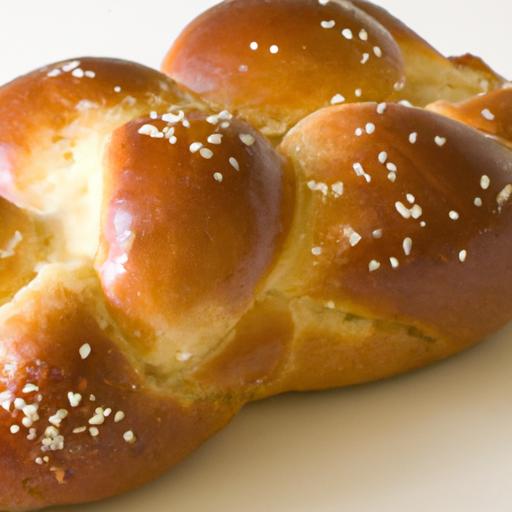
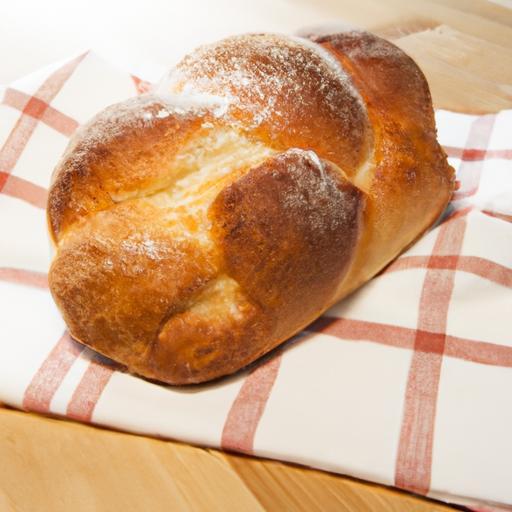
Crafting a perfect loaf of gluten-free challah is a celebration of tradition and ingenuity. this delightful bread, traditionally braided, embodies the warmth of family gatherings and the essence of Jewish culinary culture.Its pillowy texture and subtly sweet flavor turn any meal into a special occasion. Whether you’re observing a holiday or simply indulging your senses, making gluten-free challah from scratch is a rewarding experience that promises to fill your kitchen with irresistible aromas.
Prep and Cook Time
Preparation Time: 20 minutes
proofing Time: 1 hour
Cooking Time: 30 minutes
yield
One large challah loaf, serves 8-10 people.
difficulty level
Medium
Essential Ingredients for Heavenly Gluten-Free Challah
- 2 ½ cups gluten-free all-purpose flour, plus more for dusting
- 1 tablespoon instant yeast
- 1/4 cup sugar
- 1 teaspoon salt
- 3 large eggs, room temperature
- 1/3 cup vegetable oil
- 1 cup warm water (110°F/43°C)
- 1 tablespoon honey or agave syrup
- Optional: sesame seeds or poppy seeds for topping
Techniques for Achieving the Ideal Texture and Flavor
- In a large mixing bowl, combine the gluten-free all-purpose flour, instant yeast, sugar, and salt. Whisk until well mixed.
- In another bowl, whisk together the eggs, vegetable oil, warm water, and honey until blended.
- Gradually add the wet ingredients to the dry ingredients, mixing with a wooden spoon until a smooth dough forms.
- Cover the bowl with a damp cloth or plastic wrap. Let the dough rise in a warm place for about 1 hour, or until it has doubled in size.
- Preheat your oven to 375°F (190°C).
- Once the dough has risen, punch it down gently to remove excess air. Divide the dough into three equal parts for braiding.
- Roll each part into a long rope, about 12 inches in length.braid the ropes together, pinching the ends to seal.
- Transfer the braided challah to a parchment-lined baking sheet. Cover it again and let it rise for an additional 30 minutes.
- Brush the top of the challah with an egg wash (1 egg whisked with 1 tablespoon of water),then sprinkle with sesame seeds or poppy seeds if desired.
- Bake for 30 minutes, or until the challah is golden brown and sounds hollow when tapped on the bottom.
- Allow it to cool on a wire rack before slicing.
Creative Twists: Enhancing Your Challah with Unique Fillings and Toppings
While conventional gluten-free challah is a masterpiece on its own,consider experimenting with these delightful variations:
- Cinnamon Sugar Swirl: After dividing the dough,roll each piece out flat,sprinkle with cinnamon and sugar,roll tightly,and then braid.
- Chocolate Chip Surprise: Fold in mini chocolate chips into the dough before braiding for a sweet twist.
- Herb Olive Oil: Add chopped fresh herbs like rosemary or thyme to the dough for a savory option.
chef’s Notes for Success
To ensure that your gluten-free challah turns out perfectly every time:
- Use a high-quality gluten-free all-purpose flour that contains xanthan gum for optimal texture.
- Don’t skip the proofing steps; this is essential for developing flavor and achieving the correct texture.
- If your dough is too dry, add a tablespoon of warm water at a time until it reaches a smooth consistency.
- Make-ahead tip: The dough can be prepared a day in advance. After the first rise, refrigerate it until you’re ready to shape and bake.
Serving Suggestions
To best enjoy your gluten-free challah, consider the following serving ideas:
- Slicingly warm with a pat of softened butter or margarine for an indulgent treat.
- Serve alongside a bowl of rich, homemade soup or stew for a heartwarming meal.
- Pair with fresh fruit preserves or a drizzle of honey for a delightful breakfast option.
- For festive occasions, shape the dough into smaller individual loaves for personal servings.
| Nutritional Information (per slice) | Calories | Protein | Carbs | Fat |
|---|---|---|---|---|
| Gluten-Free Challah | 160 | 3g | 30g | 4g |
Join the joy of baking and the celebration of tradition by crafting your gluten-free challah at home. With its deliciously divine flavor and the versatility to customize, this bread is bound to become a family favorite. Enjoy the process and savor every bite!
Q&A
Q&A: Deliciously Divine – Your Guide to Gluten-Free Challah Bread
Q1: What is challah Bread and why is it meaningful?
A1: Challah is a traditional Jewish bread, often enjoyed during Shabbat and holidays, symbolizing peace and prosperity. Its braided shape represents unity and family togetherness, making it not just a culinary delight but also a sacred aspect of cultural and spiritual gatherings.
Q2: What makes gluten-free Challah bread different from traditional Challah?
A2: Gluten-free Challah is crafted without wheat, barley, or rye – the grains that contain gluten.This variation utilizes gluten-free flours,such as almond,coconut,or chickpea flour,ensuring that those with gluten sensitivities can enjoy this beloved bread while still savoring the rich flavors and comforting texture that Challah is known for.
Q3: What are some key ingredients used in gluten-free Challah?
A3: When making gluten-free Challah, you’ll frequently enough find a blend of gluten-free flours, such as almond or oat flour, binding agents like xanthan gum or psyllium husk, and moistening ingredients such as applesauce or eggs. Honey or maple syrup might be added for sweetness,while a touch of olive oil provides richness,making each bite a divine experience.
Q4: How can I ensure my gluten-free Challah turns out fluffy and delicious?
A4: Achieving that light, fluffy texture requires a careful balance of ingredients. Be sure to measure precisely, as gluten-free flours can differ significantly in absorption. Letting the dough rise properly is crucial-consider using a warm location for that ideal rise. patience is key; allowing it to cool before slicing will help maintain its texture.
Q5: Can gluten-free Challah be braided like traditional Challah?
A5: Absolutely! Braiding is one of the most delightful parts of making Challah,and gluten-free dough can be shaped just the same. While it may be a bit stickier and more challenging to work with, using a light dusting of gluten-free flour on your hands and work surface will aid immensely in achieving those lovely braids.
Q6: What are some creative ways to enjoy gluten-free Challah?
A6: Get ready for a culinary adventure! Use your gluten-free challah for French toast or as the base for a decadent bread pudding. Transform it into savory sandwich bread by layering your favorite fillings. You could also toast slices for a delicious accompaniment to soups or salads, maximizing its versatility long after the holiday!
Q7: How can I store gluten-free Challah to maintain its freshness?
A7: To keep your gluten-free Challah fresh, allow it to cool completely after baking before wrapping it tightly in plastic wrap. Store at room temperature for up to two days, or keep it in the fridge for longer shelf life. For even longer storage, consider slicing, wrapping, and freezing your loaf to enjoy on demand-just thaw and toast!
Q8: Where can I find gluten-free Challah recipes?
A8: The internet is bursting with scrumptious gluten-free Challah recipes! Blogs focused on gluten-free baking are treasure troves of inspiration, as are recipe sharing platforms. You’ll find variations tailored to your taste preferences, whether you want it plain, with seeds, or infused with herbs for a unique twist on this traditional bread.
With your newfound knowledge of gluten-free Challah, you’re ready to embark on a deliciously divine baking journey that honors tradition while catering to dietary needs. Happy baking!
The Way Forward
As we wrap up our exploration into the world of gluten-free challah bread, we hope you feel inspired and empowered to take on this delightful baking adventure.By blending tradition with innovation, you can create a loaf that not only adheres to your dietary needs but also sings with the same rich flavors and textures that have made challah a beloved staple for generations.
Remember, every twist of the dough is an opportunity to infuse your own personal touch-be it a sprinkle of cinnamon, a dash of zesty orange, or a touch of honey to heighten the sweetness. So, gather your ingredients and let your creativity rise alongside your gluten-free challah.Whether you’re enjoying it on a festive occasion, at the Sabbath table, or simply alongside your morning coffee, this loaf is sure to bring joy and satisfaction.
Embrace the process, share your baked creations, and, most importantly, savor every bite of your deliciously divine gluten-free challah. Happy baking!