

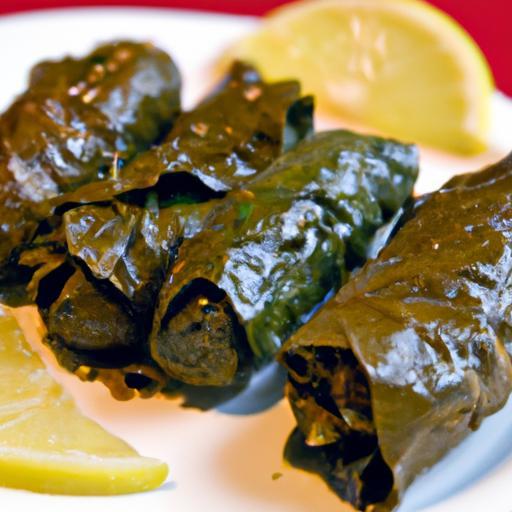
There’s a quiet magic in the humble grape leaf-a tender vessel that, when wrapped around vibrant fillings, transforms simple ingredients into a tapestry of flavor and tradition. Vegetarian stuffed grape leaves are more than just a dish; they are an edible story, woven from the rich threads of history, culture, and culinary artistry. In “Wrapped in Flavor: The Art of vegetarian Stuffed Grape Leaves,” we unravel the secrets behind this timeless delicacy, exploring the techniques, spices, and regional variations that make each bite a celebration of nature’s bounty. join us as we delve into the meticulous craft of stuffing and rolling, discovering how these leafy parcels encapsulate a world of taste, texture, and heritage-one fold at a time.
Wrapped in Flavor: The Art of Vegetarian Stuffed Grape Leaves
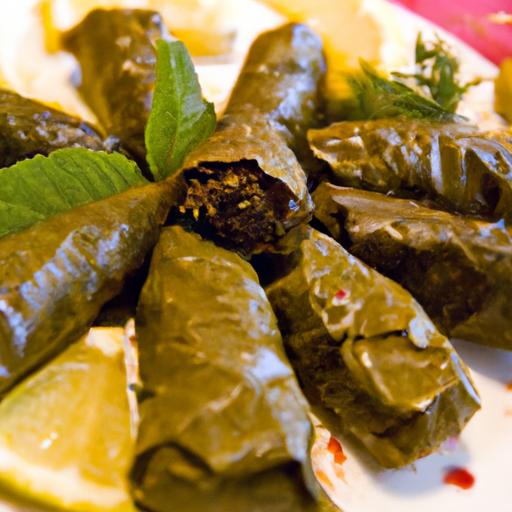
Wrapped in Flavor: The Art of Vegetarian Stuffed Grape Leaves makes embracing Mediterranean culinary traditions an inspired adventure. Known as dolmas or dolmades across various cultures, these delicate parcels of vine leaves stuffed with a fragrant mixture of rice, herbs, and spices are a vibrant celebration of history and taste.The artful balance of textures and herbs unfolds with every bite, inviting you to explore centuries of cultural meaning and a feast of layered flavors, perfect for family meals or festive gatherings.
Prep and Cook time
- preparation: 25 minutes
- Cooking: 45 minutes
- Total Time: 1 hour 10 minutes
Yield
Approximately 30 stuffed grape leaves (serves 6 as an appetizer or light main course)
Difficulty Level
Medium – Involves careful rolling and precise cooking but rewarding results for those willing to master the technique.
Ingredients
- 30 grape leaves (fresh or jarred, rinsed and drained)
- 1 cup long-grain rice, rinsed and drained
- 1 small onion, finely chopped
- 3 cloves garlic, minced
- 1/4 cup extra virgin olive oil, plus extra for drizzling
- 1/2 cup fresh parsley, finely chopped
- 1/4 cup fresh dill, chopped
- 2 tbsp fresh mint leaves, chopped
- juice of 2 lemons (reserve some for cooking)
- 1 tsp ground cinnamon
- 1/2 tsp allspice
- Salt and black pepper, to taste
- 1 1/4 cups vegetable broth
Step-by-Step Instructions
- Prepare the grape leaves: If using jarred grape leaves, rinse under cold water to remove brine and pat dry. If fresh, blanch leaves in boiling water for 2 minutes and promptly transfer to ice water. Drain and set aside.
- make the filling: In a skillet,heat 2 tablespoons olive oil over medium heat.sauté onion until translucent, about 5 minutes. Add garlic and cook 1 more minute, stirring to avoid burning.
- Add rinsed rice to the skillet and toast gently for 3 minutes,stirring constantly. Incorporate parsley, dill, mint, cinnamon, allspice, salt, and pepper. Stir for a minute to blend the aromas.
- Pour in 1 cup vegetable broth and half the lemon juice. Cover and simmer gently until liquid is absorbed but rice is still slightly firm, about 10 minutes. Remove from heat and let cool slightly.
- Roll the grape leaves: Lay one leaf smooth side down and stem end toward you.Place 1 tablespoon of filling near the stem. Fold sides over filling and roll tightly toward the tip, forming a neat cylinder.Repeat with remaining leaves and filling.
- Layer and cook: Line the bottom of a heavy pot with leftover or torn grape leaves to prevent sticking. Arrange stuffed leaves seam side down in tight concentric circles.
- drizzle remaining olive oil and lemon juice over the rolls. Add remaining broth (should come about halfway up the rolls). place a heatproof plate on top to keep rolls submerged.
- Cover and simmer on low heat for 40 minutes, checking halfway to add more broth if needed. The rolls should be tender but firm.
- Remove from heat and let cool in pot for 15 minutes before serving.
Tips for Success
- For fresh grape leaves, trimming tough stems ensures pliability and prevents tearing during rolling.
- To avoid overcooking, the rice should remain slightly underdone before rolling; it finishes cooking inside the leaves.
- Experiment with fillings by adding toasted pine nuts,currants,or cooked lentils for varied textures.
- make-ahead: Stuffed grape leaves taste even better the next day; store covered in the refrigerator for up to 3 days.
- If pressed for time, frozen grape leaves can be a convenient choice and work equally well.
Serving Suggestions
Serve warm or at room temperature alongside a bowl of creamy tzatziki or a tangy tahini sauce. Garnish with fresh lemon wedges and sprigs of dill for a stunning table presentation. These bites pair beautifully with a chilled glass of white wine or a sparkling mint lemonade for a refreshing contrast.

Nutrition Details
| Nutrient | Per Serving (5 pieces) |
|---|---|
| Calories | 180 kcal |
| Protein | 4 g |
| Carbohydrates | 28 g |
| fat | 6 g |
discover more Mediterranean delights and elevate your seasonal menus by visiting our Mediterranean vegetarian recipes collection. For historical context on stuffed grape leaves and their cultural evolution, explore this detailed article on Britannica’s Dolma entry. Embrace the art of Wrapped in Flavor by mastering this timeless dish and celebrating the vibrant tapestry of vegetarian Mediterranean cuisine.
Q&A
Q&A: wrapped in Flavor: The Art of Vegetarian Stuffed Grape Leaves
Q1: What makes stuffed grape leaves a unique culinary experience?
A1: stuffed grape leaves are a vibrant tapestry of textures and tastes, where tender grape leaves cradle a savory blend of herbs, rice, and spices.This culinary gem transforms simple ingredients into a bite-sized journey of flavor, combining earthiness with a hint of tang and aromatic freshness.
Q2: How do vegetarian stuffed grape leaves differ from their meat-filled counterparts?
A2: Vegetarian versions rely on the rich interplay of grains, herbs, and sometimes nuts or dried fruits, highlighting plant-based ingredients’ natural depth. While meat-stuffed versions tend to be heartier, the vegetarian kind celebrates luminous, herbaceous notes and a delicate texture that perfectly complements the slight bitterness of the grape leaves.
Q3: What are the essential ingredients in vegetarian stuffed grape leaves?
A3: At their heart, vegetarian stuffed grape leaves feature rice or bulgur as a base, expertly seasoned with fresh parsley, mint, dill, and onions. Lemon juice adds zest, while olive oil lends silkiness. Some recipes incorporate pine nuts, currants, or even pomegranate molasses for bursts of texture and sweetness.Q4: Can you describe the process of wrapping the grape leaves?
A4: wrapping grape leaves is an art form-a gentle yet precise fold to create tiny parcels of flavor. First,soften the leaves by briefly boiling or soaking. Lay one leaf flat, place a spoonful of filling near the stem edge, fold the sides inward, then roll tightly from stem to tip, forming a neat cylinder that holds it’s treasure inside.
Q5: How does cooking technique influence the final dish?
A5: Slow simmering is key, allowing the flavors to meld and the rice to soften without losing firmness. The grape leaves protect the filling during cooking, imparting a subtle bitterness that balances the vibrant herbs and tangy lemon. Cooking the rolls tightly packed ensures they hold shape and absorb the fragrant broth.Q6: What cultural significance do stuffed grape leaves carry?
A6: Stuffed grape leaves are more than just food-they’re a symbol of hospitality, tradition, and community across Mediterranean and Middle Eastern cultures. Often prepared during family gatherings or festive celebrations, they embody the idea of sharing warmth, time, and heritage through culinary craft.
Q7: How can one serve vegetarian stuffed grape leaves for a memorable meal?
A7: Serve them chilled or at room temperature, adorned with a drizzle of lemony olive oil or a dollop of cool yogurt. They shine as appetizers, part of a mezze spread, or a light main. Pairing with fresh salads, olives, and warm bread heightens the sensory experience-the perfect harmony of rustic simplicity and refined flavor.Q8: Are there creative variations to try in vegetarian stuffed grape leaves?
A8: absolutely! Experiment with quinoa instead of rice, add chopped sun-dried tomatoes for a smoky note, or sprinkle in toasted almonds for crunch. Swap fresh herbs to suit the season-basil in summer, cilantro in cooler months-or infuse the cooking liquid with saffron or cinnamon to deepen the aroma.
Q9: What tips ensure success for beginners attempting this dish?
A9: Be patient with the wrapping-practice makes perfect! Don’t overfill to avoid bursting during cooking. Always rinse and blanch the grape leaves well to remove excess salt and bitterness. And remember, flavors meld beautifully overnight, so prepare in advance to let the essence of each ingredient bloom.
Q10: Why is the art of making vegetarian stuffed grape leaves worth mastering?
A10: Crafting these delicate parcels is a journey into culinary mindfulness, blending tradition with creativity. Each bite is a celebration of nature’s bounty and human ingenuity-proof that simple plant-based ingredients can create extraordinary, soulful food that connects us across cultures and generations.
To Wrap It Up
As we unwrap the layers of this humble yet exquisite dish, it becomes clear that vegetarian stuffed grape leaves are much more than just a meal-they are a living tradition, a tapestry of flavors woven with care and culture. Each tender roll, bursting with fragrant herbs, grains, and spices, tells a story of culinary artistry and mindful eating. Whether served as a vibrant appetizer or a wholesome main, these little bundles invite us to savor the beauty of plant-based cuisine wrapped in history and heart. So next time you prepare or enjoy stuffed grape leaves, remember: you’re not just tasting a recipe-you’re experiencing an edible work of art that celebrates nature’s bounty and the timeless joy of sharing food.