

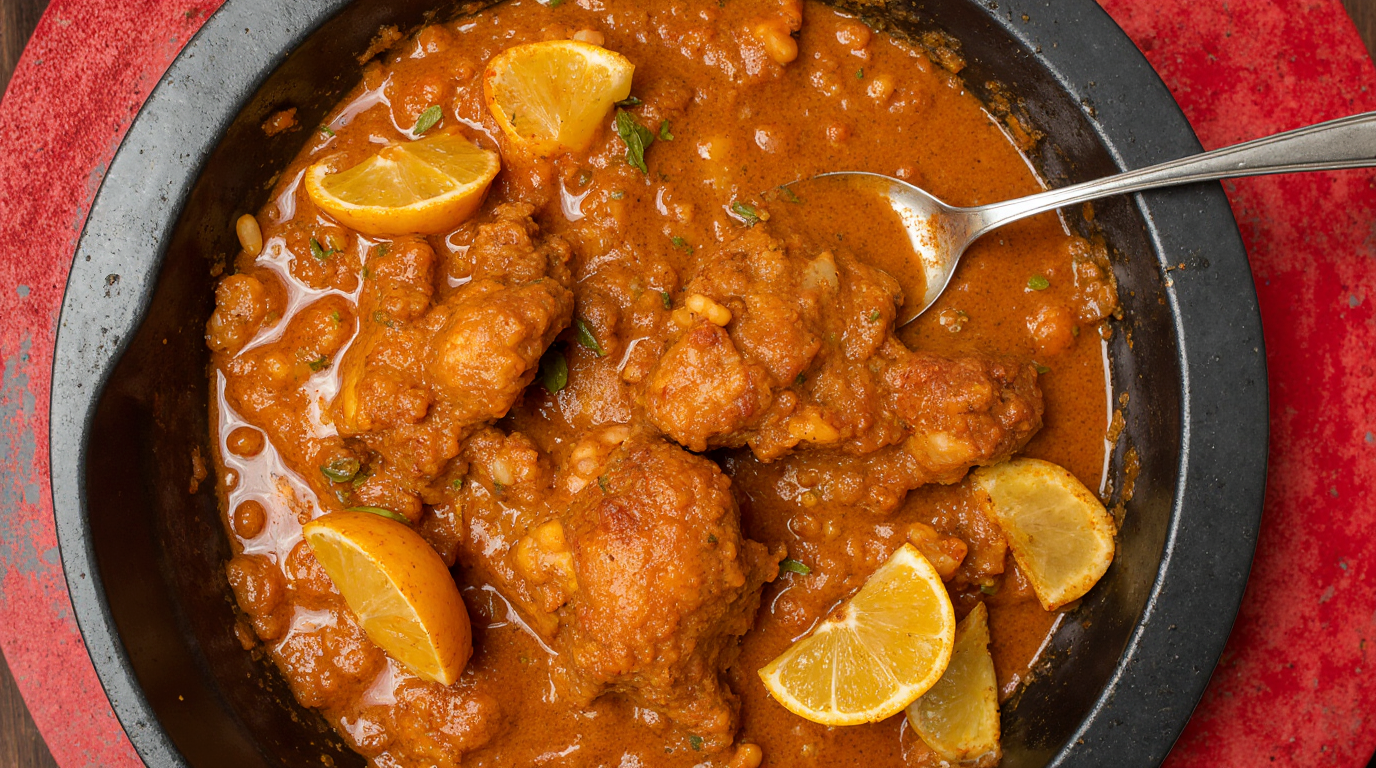
Nestled within the vibrant tapestry of Caribbean cuisine lies a culinary gem that ignites the senses and tells a story of culture, tradition, and bold flavors—Haitian Chicken Creole. This dish, known locally as “Poule en Sauce,” is more than just a meal; it’s a celebration of rich spices, fresh ingredients, and time-honored cooking techniques passed down through generations. In this exploration, we invite you to savor the spice and uncover the magic behind Haitian Chicken Creole—where every bite bursts with history, heritage, and the irresistible warmth of island hospitality. Whether you’re a seasoned foodie or a curious newcomer, prepare to embark on a flavorful journey that showcases the soul of Haiti in a single, unforgettable dish.
Savor the Spice of Haitian Chicken Creole, a dish that embodies the vibrant history and rich cultural tapestry of Haiti. This iconic recipe fuses African, French, and Caribbean influences into a symphony of bold flavors that dance on your palate. Known locally as “Poulet en Sauce Créole,” it’s more than just a meal—it’s a celebration of family, heritage, and the fiery spirit of Haitian cuisine.
Prep and Cook Time
- Preparation: 20 minutes
- Cooking: 45 minutes
- Total Time: 1 hour 5 minutes
Yield
- Serves: 4 hearty portions
Difficulty Level
- Medium – Perfect for home cooks ready to explore Caribbean flavors with confidence
Essential Ingredients that Define the Authentic Flavor Profile
- 2 lbs bone-in, skin-on chicken thighs, for juicy tenderness and deep flavor
- 2 tbsp vegetable oil, to develop a rich sear
- 1 large onion, finely chopped to build the sauce’s aromatic base
- 4 cloves garlic, minced for pungent warmth
- 1 bell pepper (red or green), diced for a sweet crunch
- 1 scotch bonnet pepper, finely sliced (use gloves!) to bring authentic heat
- 2 ripe tomatoes, freshly chopped, or 1 cup canned crushed tomatoes for a luscious, tangy backbone
- 1/2 cup tomato paste, to intensify the sauce’s color and richness
- 1 cup chicken broth, for moist, flavorful cooking
- 1 tsp dried thyme, a classic Caribbean herb note
- 1 tsp paprika, smoky warmth
- 1/2 tsp ground cloves, subtle earthy sweetness
- Salt and freshly ground black pepper, to taste
- 2 tbsp fresh parsley, chopped for a bright finish
Step by Step Guide to Perfecting Your Haitian Chicken Creole at Home
- Prepare the chicken: Rinse chicken thighs and pat dry with paper towels. Season generously with salt, pepper, and half of the dried thyme.
- Brown the chicken: Heat vegetable oil in a large heavy-bottomed skillet over medium heat. Place chicken thighs skin-side down and sear until golden brown and crisp, about 6-7 minutes. Flip and brown the other side for 4-5 minutes. Remove and set aside.
- Sauté aromatics: In the same pan, add chopped onions, garlic, bell pepper, and scotch bonnet pepper. Sauté until the onions are translucent and fragrant, about 5 minutes, stirring frequently to prevent burning.
- Add tomatoes and spices: Stir in the fresh tomatoes, tomato paste, paprika, ground cloves, and remaining thyme. Cook the mixture until thickened and deep red, about 8-10 minutes. This forms the bold sauce base.
- Simmer the chicken: Return seared chicken thighs to the pan, nestling them into the sauce. Pour in the chicken broth, ensuring the chicken is partially submerged. Reduce heat, cover, and simmer gently for 25-30 minutes, or until chicken is tender and fully cooked.
- Adjust seasoning: Taste and add salt, pepper, or more scotch bonnet pepper if desired. Sprinkle fresh parsley over the top before serving.
Tips for Success
- Marinate the chicken: For deeper flavor, marinate in a mix of lime juice, garlic, salt, and scotch bonnet for a few hours before cooking.
- Manage heat: Scotch bonnet peppers are fiery; remove seeds and use sparingly if sensitive to spice.
- Make ahead: This dish tastes even better the next day as flavors meld beautifully. Reheat gently on low heat to preserve tenderness.
- Substitutions: Use drumsticks or boneless chicken thighs if preferred, adjusting cook time accordingly.
- Enhance sweetness: Add a teaspoon of brown sugar if your tomatoes are overly acidic.
Pairing Haitian Chicken Creole with Traditional Sides and Beverages
Pairing Haitian Chicken Creole with Traditional Sides and Beverages
To complete your authentic Haitian dining experience, serve your Chicken Creole with classic sides and beverages that complement its rich, spicy flavors.
-
- Rice and Beans: A quintessential Haitian staple, the creamy and savory rice and beans (riz et haricots) balance out the bold sauce perfectly.
-
- Fried Plantains (Bannann Peze): Sweet and crispy twice-fried plantains add a delightful contrast and texture to the meal.
-
- Haitian Pikliz: A spicy pickled vegetable relish that adds a refreshing tang and crunch, elevating the flavor profile.
-
- Festival Bread: Slightly sweet fried dough that’s excellent for soaking up the savory sauce.
-
- Haitian Rum Punch: A vibrant and fruity cocktail with rum, lime, and tropical juices, which pairs wonderfully with the heat of the dish.
-
- Fresh Coconut Water: A cooling, natural refreshment that helps balance the spiciness.
Q&A
Q&A: Savor the Spice – Discover Haitian Chicken Creole Magic
Q1: What makes Haitian Chicken Creole stand out among other Caribbean dishes?
A1: Haitian Chicken Creole is a vibrant symphony of flavors, where bold spices and fresh herbs come alive in every bite. Unlike other Caribbean dishes that lean heavily on sweetness or heat alone, Chicken Creole balances smoky paprika, fiery Scotch bonnet peppers, tangy tomatoes, and earthy thyme, creating a complex and unforgettable taste experience that is uniquely Haitian.
Q2: What are the key ingredients that give Chicken Creole its distinctive flavor?
A2: The magic lies in the blend of aromatic Scotch bonnet peppers, rich tomato sauce, freshly chopped garlic and onions, thyme, and a hint of cloves or allspice. This medley, simmered slowly with tender chicken, infuses the dish with layers of warmth and depth that dance on the palate. A splash of lime juice often adds a bright, zesty finish.
Q3: Is Haitian Chicken Creole a spicy dish?
A3: Yes, but in a way that excites rather than overwhelms. The heat from Scotch bonnet peppers is tempered by the sweet acidity of tomatoes and the earthiness of herbs, resulting in a spicy, yet balanced dish. It’s a gentle challenge to your taste buds—inviting and invigorating, rather than overpowering.
Q4: How is Chicken Creole traditionally served in Haiti?
A4: Traditionally, Haitian Chicken Creole is served alongside staples such as white rice, fried plantains, or pikliz—a spicy pickled vegetable relish that adds crunch and extra heat. This combination brings harmony to the meal; the rice soaks up the savory sauce while the plantains and pikliz add texture and contrast.
Q5: Can Chicken Creole be adapted for different dietary preferences?
A5: Absolutely! While chicken is central, the flavorful Creole sauce lends itself beautifully to other proteins like fish or tofu, or even hearty vegetables like eggplant and mushrooms for a vegetarian spin. The essence of the dish—its spice blend and vibrant tomato base—remains the star, adaptable yet authentic.
Q6: What cultural significance does Haitian Chicken Creole hold?
A6: Beyond its rich flavors, Chicken Creole embodies Haiti’s history and resilience. It reflects the blend of African, French, and indigenous influences that shape Haitian cuisine. Sharing this dish is a celebration of community, tradition, and the fiery spirit of a nation proud of its culinary heritage.
Q7: Where can one experience authentic Haitian Chicken Creole outside of Haiti?
A7: Many Caribbean restaurants worldwide celebrate this dish, but the best way is to seek out Haitian-owned eateries where recipes are lovingly passed down through generations. Alternatively, bringing the kitchen to your home by cooking Chicken Creole yourself opens a personal doorway to Haitian culture—and trust us: the spices will transport you.
Q8: What’s one secret tip for perfecting Haitian Chicken Creole at home?
A8: Patience is key. Letting the sauce simmer slowly allows the spices to meld deeply and the chicken to absorb every nuance of flavor. Also, don’t be shy with the aromatic herbs—they’re the silent heroes that elevate the dish from simple stew to Creole masterpiece.
Discovering Haitian Chicken Creole is more than tasting a dish—it’s an invitation to savor a culture steeped in history, warmth, and spice. Ready to embark on this flavorful journey? Your kitchen awaits!
Insights and Conclusions
As the vibrant aromas of Haitian Chicken Creole linger in your kitchen and the rich tapestry of flavors dances on your palate, you begin to understand why this dish is much more than a meal—it’s a celebration of culture, history, and heart. Whether you’re a seasoned foodie or a curious culinary explorer, savoring this spicy Creole classic is an invitation to experience Haiti’s soul in every bite. So next time you crave a dish that tells a story through its spices and savor, remember the magic of Haitian Chicken Creole—and let your taste buds embark on a flavorful journey that’s as bold and beautiful as the island itself.