

Exploring the Rich Flavors of Haitian Cuisine in the Caribbean
Amidst the vibrant tapestry of the Caribbean, where crystal-clear waters kiss sun-drenched shores, lies a culinary treasure that tells the story of resilience, heritage, and passion: haitian cuisine. More then just a collection of recipes, it is a vivid narrative woven from the threads of African, French, Spanish, and Taino influences, each ingredient echoing tales of a peopel who have embraced their roots while evolving in a dynamic world. From the aromatic spices that dance through a pot of Griot to the heartfelt warmth of a comforting Joumou soup, Haitian dishes are a celebration of flavor, culture, and identity. Join us as we embark on a savory journey through the rich landscapes of Haitian gastronomy, uncovering the secrets behind its most beloved dishes and the vibrant stories they tell, bringing the heart of Haiti to the forefront of Caribbean culinary exploration.
Exploring the Rich Flavors of Haitian Cuisine in the Caribbean
The vibrant world of Haitian cuisine is a journey through fragrant spices and fresh ingredients that capture the essence of the Caribbean. With each dish,you unlock a story,a tradition,and a celebration that dances across your palate. This exploration of Haitian flavors invites you to savor iconic dishes that blend sweet and savory, enticing your senses.With its unique combinations of spices, fruits, and vegetables, Haitian cuisine leaves a lasting impression that beckons you to experience the culture and heritage behind every flavorful bite.
Prep and Cook Time
- Prep Time: 20 minutes
- Cook Time: 1 hour
Yield
Serves 4
Difficulty Level
Medium
Ingredients
- 1 lb chicken thighs, skinless and boneless
- 4 cloves garlic, minced
- 1 medium onion, chopped
- 1 bell pepper, diced
- 2 medium carrots, sliced
- 1 cup tomatoes, diced (preferably fresh)
- 2 tbsp vegetable oil
- 1 tsp dried thyme
- 1 tsp paprika
- 1 tsp black pepper
- 1 tsp salt (more to taste)
- 2 cups chicken broth
- 1 cup long-grain rice, rinsed
- 1-2 scotch bonnet peppers (whole for mild; sliced for heat)
- Cilantro or parsley for garnish
Instructions
- In a large pot, heat the vegetable oil over medium heat. Add the chopped onion and bell pepper. Cook until softened, about 5 minutes.
- Add the minced garlic,thyme,paprika,black pepper,and salt. Sauté for another 2 minutes until fragrant.
- Introduce the chicken thighs to the pot, stirring to coat well with the spices.Cook until the chicken is browned on all sides, approximately 8-10 minutes.
- Stir in the diced tomatoes, sliced carrots, and chicken broth. Bring the mixture to a gentle boil.
- Once boiling, reduce the heat to low and add the rinsed rice and the whole scotch bonnet peppers. Cover the pot and simmer for 20-25 minutes, or until the rice is tender, and the liquid is absorbed.
- Remove the scotch bonnet peppers before serving to control the heat level to your preference. Fluff the rice with a fork and adjust seasoning if desired.
Chef’s Notes
Experimenting with different proteins or vegetables can elevate the dish further. Consider adding seasonal vegetables or substituting chicken with firm tofu for a plant-based delight. If you prefer a milder flavor, handle the scotch bonnet peppers carefully, as they add important heat.
Serving Suggestions
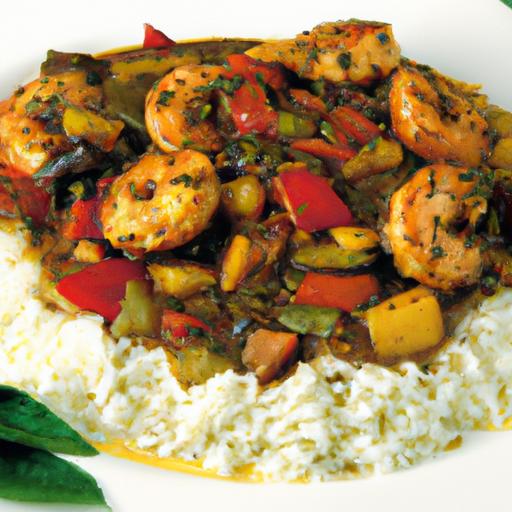
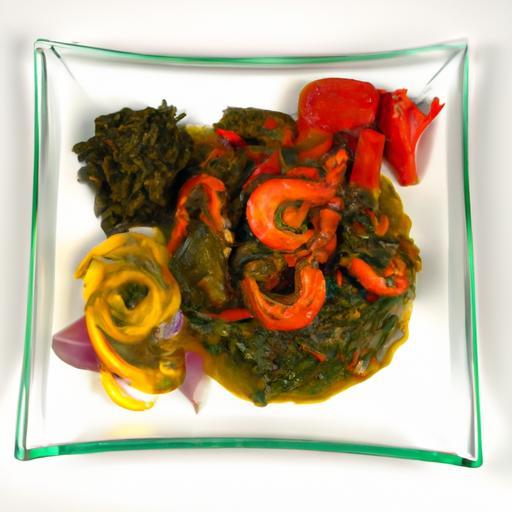
Serve the rice and chicken dish family-style directly from the pot, garnished with freshly chopped cilantro or parsley for a pop of color. Pair with a side of fried plantains or a simple crisp salad dressed with lime juice to balance the richness of the dish. The vibrant colors and aromas will create an inviting presentation that enhances the dining experience.
| Nutritional Facts | Per Serving |
|---|---|
| Calories | 350 |
| Protein | 24g |
| Carbs | 38g |
| Fat | 12g |
If you’re looking to expand your culinary knowledge, consider reading more about the importance of spices in Haitian cuisine in this informative article on Serious Eats.
Q&A
Q&A: Exploring the Rich Flavors of Haitian Cuisine in the Caribbean
Q: What sets Haitian cuisine apart from other Caribbean culinary traditions?
A: Haitian cuisine is a vibrant tapestry of flavors, textures, and culinary influences that reflect its rich history and cultural melange. It is indeed a unique blend of indigenous Taino ingredients,African traditions,and elements brought over by the French and spanish. This results in deeply flavorful dishes that emphasize bold spices, fresh herbs, and the generous use of flavorful vegetables. key staples like rice, beans, plantains, and various root vegetables prevalent in Haiti distinguish its dishes while telling the story of resilience and creativity.
Q: What are some staple ingredients of Haitian cuisine?
A: Haitian cuisine relies on an array of colorful and nourishing ingredients.Essential components include rice and beans, particularly black beans and red beans, which are often prepared in a variety of heartwarming dishes. Fresh herbs like thyme and parsley add aroma, while scotch bonnet peppers introduce a spicy kick. Root vegetables such as yams, cassava, and sweet potatoes create hearty meals. Additionally, Haitian cooking frequently features limes, avocados, and a medley of seasonal fruits, contributing to the cuisine’s refreshing character.
Q: Can you describe a customary haitian dish and what makes it special?
A: One iconic dish is “Griot,” which showcases marinated fried plantains and seasoned vegetables,often accompanied by a zesty pikliz- a tangy pickled vegetable condiment. while the traditional version includes pork, a vegetarian alternative uses hearty vegetables prepared with the same vibrant spices to deliver a mouthwatering experience.Another favorite is “Djon Djon,” a distinctive rice dish cooked with black mushrooms that impart a unique earthy flavor and a rich,dark color. Both dishes highlight the artistry of Haitian cooking and the cultural significance of sharing meals with family and friends.
Q: How does Haitian cuisine incorporate regional flavors and ingredients?
A: The diverse geography of Haiti plays a vital role in its culinary identity. Coastal areas offer seafood, leading to dishes like “Lambi,” a celebrated conch preparation seasoned with lime and spices. In contrast, mountainous regions create fertile grounds for growing root vegetables and mangoes, which find their way into many recipes. Local markets serve as vibrant hubs for sourcing produce, where fresh, seasonal ingredients take center stage. This connection to the land and sea ensures that every meal is a celebration of Haiti’s rich agricultural heritage.
Q: What role does food play in Haitian culture and tradition?
A: Food is a cornerstone of Haitian culture,serving as a means of communion,celebration,and storytelling. Festivals and family gatherings revolve around shared meals,where dishes are crafted with love and care. Additionally, recipes are often passed down through generations, preserving family history and tradition. the act of cooking and sharing meals brings communities together, making food a vital part of social life in Haiti. Culinary customs, such as the preparation of special dishes for holidays or family milestones, further highlight the importance of gastronomy in expressing cultural identity.
Q: How can someone experience authentic Haitian cuisine outside of Haiti?
A: To experience authentic Haitian cuisine beyond the borders of Haiti, look for local Haitian restaurants or food festivals that celebrate the country’s culinary heritage. Engaging with the community through cooking classes or cultural events can also provide deeper access to the vibrant flavors of Haiti.Additionally, consider trying your hand at preparing traditional dishes at home by sourcing fresh ingredients and using authentic Haitian recipes. Building connections with local chefs or culture enthusiasts can substantially enhance your culinary journey, allowing you to appreciate not just the food but the stories behind it.
With its dynamic blend of flavors and profound cultural significance, Haitian cuisine invites all to explore its rich offerings and celebrate the journey of a resilient people through every delicious bite.
Closing Remarks
As we conclude our flavorful journey through the vibrant tapestry of Haitian cuisine, it’s clear that this culinary treasure is a reflection of the island’s rich history, cultural diversity, and the spirited resilience of its people. From the zesty notes of pikliz to the comforting embrace of joumou soup, each dish tells a story steeped in tradition and love. As you explore these tantalizing flavors,you not only nourish your body but also your understanding of Haiti’s rich heritage.
So, whether you find yourself in a lively haitian eatery or experimenting in your own kitchen, let the robust flavors of this Caribbean gem inspire you. Embrace the joy of sharing a meal steeped in culture, and maybe even discover a new favorite dish along the way. Cheers to the vibrant flavors of Haiti-a true celebration of the heart and soul of the Caribbean!