

Mastering Korean Japchae: The Art of Glass Noodle Stir Fry
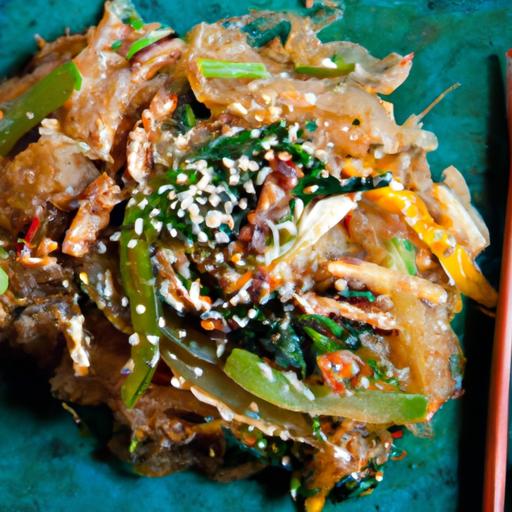
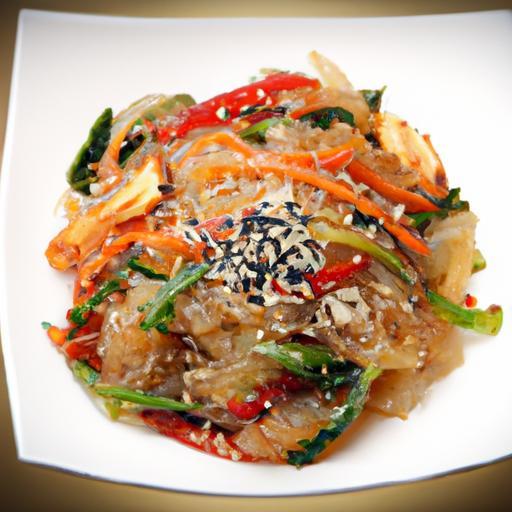
In the vibrant tapestry of Korean cuisine, few dishes shine as brightly as japchae-an enchanting stir-fry that dances with flavors and textures. Picture this: silky strands of translucent glass noodles glistening under a medley of sautéed vegetables, all enveloped in a savory-sweet sauce that tantalizes the taste buds. Weather served as a sumptuous side dish or the star of a festive feast, japchae represents more than mere sustenance; it embodies the spirit of Korean dining, where harmony and balance reign supreme.
Join us on a culinary journey as we unravel the secrets behind mastering this delightful dish. From choosing the right ingredients to perfecting the stir-fry technique, we’ll explore the rich history and cultural meaning that make japchae a beloved favorite. Whether you’re a seasoned chef or a curious home cook, prepare to be inspired as we dive into the art of glass noodle stir fry, and discover how to bring a taste of Korea into your own kitchen.
Mastering Korean Japchae brings to life a dish that is as rich in flavor as it is steeped in history. This traditional stir-fried noodle dish hails from Korea, where it has been revered for centuries, often enjoyed during celebrations and special occasions. The key to this savory masterpiece lies in its signature ingredient, glass noodles, made from sweet potato starch. When properly prepared and stir-fried, these noodles become delightfully chewy, creating a texture that pairs harmoniously with an array of colorful vegetables and proteins. With its unique blend of flavors and textures, it’s no wonder that Japchae has become a beloved staple in not only Korean households but around the world.
Prep and Cook Time
- Prep Time: 15 minutes
- Cook Time: 20 minutes
- Resting time: 5 minutes
Yield
- 4 servings
Difficulty level
- Easy
Essential Ingredients for Perfecting Glass Noodles
- 8 ounces glass noodles (sweet potato starch noodles)
- 2 tablespoons vegetable oil
- 1 medium onion, thinly sliced
- 1 medium carrot, julienned
- 1 bell pepper (any color), thinly sliced
- 1 cup spinach, chopped
- 4 shiitake mushrooms, thinly sliced (or any preferred mushroom)
- 2 cloves garlic, minced
- 3 tablespoons soy sauce
- 2 tablespoons sugar
- 1 tablespoon sesame oil
- Toasted sesame seeds for garnish
- Green onions, sliced, for garnish
Mastering the Technique: Stir Frying to Perfection
- Begin by soaking the glass noodles in warm water for about 20-30 minutes, or until they become soft and pliable. Drain and set aside.
- heat the vegetable oil in a large skillet or wok over medium-high heat. Add the onion and sauté until translucent, about 3-4 minutes.
- Stir in the carrots and bell pepper, cooking for an additional 3 minutes, until they are slightly tender yet still vibrant.
- Add the mushrooms and garlic,sautéing for another 2-3 minutes until they have softened and are fragrant.
- Add the softened glass noodles to the pan, tossing gently to combine with the vegetables.
- In a bowl, whisk together the soy sauce, sugar, and sesame oil. Pour the mixture into the skillet, stirring well to coat all the ingredients. Cook for about 5 minutes, allowing the noodles to absorb the flavors.
- toss in the chopped spinach and stir fry until wilted, about 1 minute. Remove from heat and garnish with sesame seeds and green onions before serving.
Creative Variations: Elevating Your Japchae Experience
While the classic version of Japchae is certainly flavorful, exploring creative variations can add an exciting twist to your dish. Here are a few ideas:
- Protein Options: Consider adding tofu, chicken, or beef for heartiness. Simply marinate your protein in soy sauce and stir-fry it before adding vegetables.
- Extra Veggies: Incorporate zucchini, snap peas, or even broccoli for additional crunch and nutrients.
- Spices: For a spicy kick, add a teaspoon of gochujang (Korean red chili paste) to the sauce mixture.
- Herbal Infusion: Throw in fresh herbs like cilantro or mint for a refreshing finish.
Chef’s Notes: Tips for Success
To create the best glass noodles, make sure not to over-soak them, which can lead to mushiness. Additionally, cook the noodles just until they are al dente, keeping in mind they will continue to cook slightly once added to the hot skillet. substituting in seasonal vegetables not only enhances nutrition but also ensures maximum flavor. For make-ahead options, keep the sauce separate until just before serving to maintain the noodle’s texture.
Serving Suggestions
Presentation is key in elevating your Japchae experience. Serve it on a vibrant platter, drizzling with additional sesame oil for flavor and shine. Scatter toasted sesame seeds generously on top and add a sprinkle of fresh green onions for color. Enjoy your Japchae with a side of kimchi or steamed rice, enhancing the balance of flavors in your meal.
| Nutritional Information (per serving) | Calories | Protein | Carbs | Fat |
|---|---|---|---|---|
| Japchae | 300 | 7g | 50g | 9g |
Q&A
Q: What is Japchae, and why is it such a beloved dish in korean cuisine?
A: Japchae is a classic Korean stir-fried dish made primarily with sweet potato glass noodles, known for their delightful chewiness. This iconic dish is loved not only for its delicious flavors but also for its colorful presentation. Traditionally served at special occasions and celebrations, Japchae embodies a harmonious balance of textures and tastes-a testament to the intricate artistry of Korean cooking.
Q: What are the key ingredients needed to make authentic Japchae?
A: To create an authentic Japchae, you’ll need sweet potato glass noodles, a variety of vibrant vegetables like spinach, carrots, bell peppers, and onions, along with tofu or protein alternatives such as beef or chicken (though no pork).For flavor,soy sauce,sesame oil,and garlic are crucial. You can also add sesame seeds as a garnish for that extra touch of nutty goodness.
Q: How do you prepare the sweet potato glass noodles for Japchae?
A: Preparing sweet potato glass noodles is a breeze.Start by soaking them in warm water for about 30 minutes until they soften. After soaking, you’ll want to boil them for a few minutes to achieve that perfect chewy texture. Drain and rinse with cold water to stop the cooking process, and set them aside while you prepare the rest of your ingredients.
Q: What’s the secret to achieving that perfect ‘stir-fried’ flavor in Japchae?
A: the secret lies in the cooking technique! Stir-frying over high heat in a well-oiled pan allows the ingredients to cook quickly but maintain their crunch. Start with the proteins, followed by the sturdier vegetables, and then the softer ones. The addition of soy sauce and sesame oil at the right moment infuses the dish with deep flavor, allowing those distinctive aromas to waft through your kitchen.
Q: Can Japchae be made in advance, and how can it be stored?
A: Absolutely! Japchae is a fantastic make-ahead dish.After cooking, let it cool down wholly and store it in an airtight container in the fridge for up to three days. When you’re ready to enjoy it again, simply reheat it briefly in a pan to bring back its original texture and flavors. A sprinkle of fresh vegetables or sesame seeds can revitalize it nicely!
Q: Are there any variations of Japchae that I should try?
A: Definitely! Japchae is wonderfully versatile. Experimenting with different vegetables like zucchini, mushrooms, or even adding a touch of fruit like apple slices can give your dish a unique twist.For a richer taste, consider adding seasonings like gochugaru (Korean red pepper flakes) for a hint of spice, or a splash of citrus juice for a radiant, zesty kick.
Q: How can someone elevate their Japchae to a gourmet level?
A: Elevating your Japchae is all about presentation and creativity. Consider serving it on decorative platters with fresh herbs and sliced green onions for garnish. You can also drizzle a little extra sesame oil or sprinkle some crushed peanuts for added texture. Using specialty toppings, like microgreens or edible flowers, can transform a simple dish into an eye-catching centerpiece!
Q: What should I serve Japchae with for a complete meal?
A: Japchae pairs wonderfully with a variety of dishes, making it a fantastic centerpiece for any meal. Serve it alongside a refreshing cucumber salad, spicy kimchi, or grilled vegetables. You can also enjoy it with a side of rice or as part of a larger Korean feast with bulgogi, bibimbap, or other vibrant sides for a delightful balanced experience.
To Wrap It Up
mastering Korean Japchae is not just about cooking - it’s about weaving together a tapestry of flavors and textures that tell a story of tradition, innovation, and culinary passion. With each strand of translucent glass noodle reflecting a spectrum of vibrant vegetables and proteins, you transform simple ingredients into a delightful dish that captures the essence of Korean home cooking.
As you embrace the art of stir-frying, remember that practice is the key to perfection. Experiment with different vegetables, proteins, and seasoning combinations to make the dish your own. Whether served during a festive occasion or as a comforting weeknight meal, Japchae is a dish that brings people together, inspiring laughter and conversation around the table.
So, gather your ingredients, harness your inner chef, and embark on your journey to create this beloved classic. With every sizzling moment in the pan, you’ll find yourself immersed in the heart of Korean cuisine, celebrating not just the flavors but the joy of sharing a delicious meal.Happy cooking!