

The Marvelous Journey of Kung pao Chicken: A Flavorful Classic
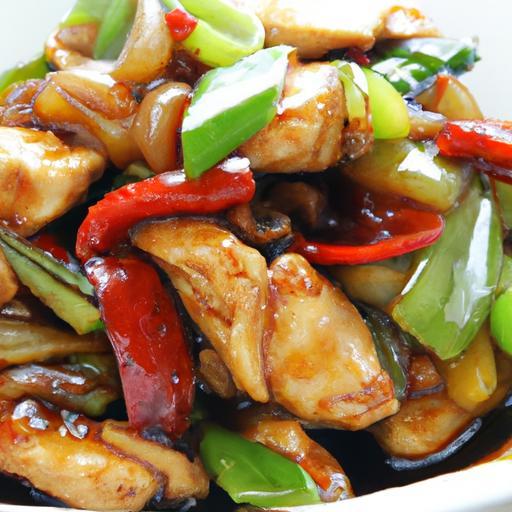
In the vibrant tapestry of global cuisine, few dishes boast as rich a history and as dynamic a flavor profile as Kung Pao Chicken. This culinary masterpiece, with its perfect harmony of spicy, sweet, and savory elements, transcends borders and tantalizes palates, making it a staple of Chinese cuisine that has captured the hearts of food lovers worldwide. Originating from the Sichuan province, Kung Pao Chicken is far more than just a popular takeout option; it is a gastronomic adventure steeped in tradition, storytelling, and cultural fusion.Join us as we embark on a savory journey through time and taste,exploring the origins,evolution,and enduring appeal of this beloved dish. From its humble beginnings in the kitchens of 19th century China to its reign in modern dining establishments, discover the layers of flavor and history that make Kung Pao Chicken a truly marvelous classic.
the culinary Origins of Kung Pao Chicken and Its Historical Significance
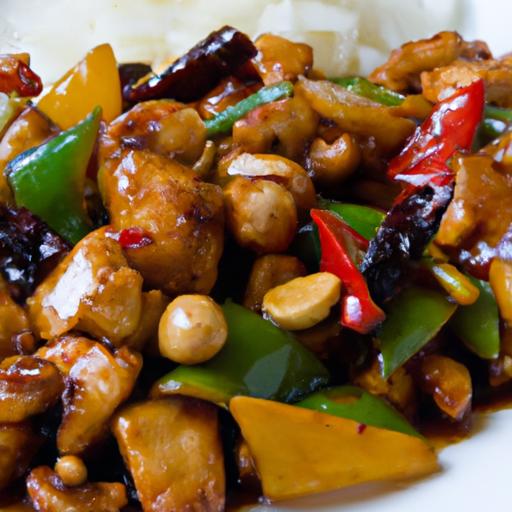
The Marvelous Journey of Kung Pao Chicken is steeped in rich culinary tradition, originating from the Sichuan province of China during the Qing Dynasty.Initially named after Ding Baozhen, a governor of Sichuan, this beloved dish symbolizes the essence of Chinese cuisine-bold flavors and a balance of textures. Traditionally,it incorporated diced chicken,peanuts,and chili peppers,resulting in a delightful harmony of heat,crunch,and umami. As the dish migrated globally,it adapted to various local palettes,sparking infinite regional variations that cater to diverse tastes while maintaining its signature flair.
Prep and Cook Time
- Prep Time: 15 minutes
- Cook Time: 15 minutes
Yield
- Servings: 4
difficulty Level
- Level: Medium
Ingredients
- 1 lb boneless, skinless chicken breast, diced into bite-sized pieces
- 3 tablespoons peanut oil
- 1/2 cup unsalted roasted peanuts
- 1/4 cup dried red chili peppers
- 3 cloves garlic, minced
- 1/2-inch piece of ginger, finely chopped
- 1/4 cup green onions, sliced (white and green parts separated)
- 2 tablespoons soy sauce
- 1 tablespoon rice vinegar
- 1 tablespoon hoisin sauce
- 1 teaspoon sugar
- 1 teaspoon cornstarch mixed with 2 tablespoons water (slurry)
- salt to taste
Instructions
- Marinate the Chicken: In a bowl, combine diced chicken with 1 tablespoon of soy sauce, 1 teaspoon of cornstarch, and a pinch of salt. Allow it to marinate for 10 minutes.
- Prepare the Sauce: In a small bowl, whisk together the remaining soy sauce, rice vinegar, hoisin sauce, sugar, and minced garlic. Set aside.
- Heat the Oil: In a large skillet or wok, heat the peanut oil over medium-high heat until shimmering.
- Cook the Chicken: Add the marinated chicken to the skillet and sauté until it is indeed golden brown and cooked through, approximately 6-8 minutes. transfer the chicken to a plate.
- Add Aromatics: In the same skillet, toss in the dried red chili peppers, ginger, and the white parts of the green onions. Stir-fry for about 1 minute until fragrant.
- combine: Return the chicken to the skillet, along with the peanuts and prepared sauce. Stir well to coat everything evenly.
- Thicken the Sauce: Add the cornstarch slurry to the mix, stirring constantly until the sauce thickens, about 1-2 minutes.
- Garnish: Sprinkle the green parts of the green onions on top just before serving and mix well.
- Serve: Transfer to a serving dish and enjoy hot!
Chef’s Notes
- For a spicier kick, feel free to increase the amount of dried chili peppers used.
- You can substitute chicken with diced tofu or vegetables for a vegetarian option.
- This dish is best served fresh as leftovers may lead to a soggier texture in the peanuts.
Serving suggestions
To elevate your dining experience, serve the Kung Pao Chicken over a fluffy bed of steamed jasmine rice or alongside cool cucumber salad. Garnishing with additional green onions and a sprinkle of sesame seeds can add a pop of color and texture. Pair it with a side of crispy spring rolls for a delightful Chinese-inspired feast!
| Nutritional Information | Per Serving |
|---|---|
| Calories | 300 |
| Protein | 26g |
| Carbohydrates | 10g |
| Fat | 18g |
Q&A
Q&A: The Marvelous Journey of Kung Pao Chicken: A Flavorful classic
Q1: what is the origin of Kung Pao Chicken?
A1: Kung Pao Chicken, known as “Gong Bao Ji Ding” in Mandarin, traces its illustrious roots back to the Sichuan province of China.Named after Ding Baozhen, a late Qing dynasty governor, this dish originated over 150 years ago, reflecting both regional ingredients and the culinary traditions of Chinese cuisine.
Q2: What are the key ingredients in a classic Kung Pao Chicken?
A2: At its heart, Kung Pao chicken features tender chicken pieces stir-fried with crunchy peanuts, vibrant bell peppers, and a medley of aromatic spices. The dish is renowned for its tantalizing sauce, wich typically includes soy sauce, sugar, vinegar, and Sichuan peppercorns, imparting a distinctive flavor that balances heat and sweetness.
Q3: Why is kung Pao Chicken so beloved around the world?
A3: The universal appeal of Kung Pao Chicken lies in its delightful harmony of flavors and textures. The dish offers a bold, spicy kick with a hint of sweetness that excites the palate, making it a favorite among fans of Asian cuisine. Its versatility also captivates cooks globally, who adapt the recipe to suit local tastes and ingredient availability, keeping the spirit of this classic alive.
Q4: How does the preparation of kung Pao Chicken differ regionally?
A4: While the Sichuan version is famed for its spice and rich flavor, variations abound. In Western adaptations, for instance, a milder approach might be taken, reducing the heat for a broader audience while still capturing the dish’s essence. Other regions might introduce unique vegetables or cooking methods, resulting in an array of delightful interpretations that celebrate the original while incorporating local flair.
Q5: What are some tips for making a perfect Kung Pao Chicken at home?
A5: To master Kung Pao chicken at home, start with high-quality, marinated chicken-preferably thigh for juiciness. Ensure your wok is hot to achieve that signature sear. Don’t forget the crucial step of toasting the peanuts for an extra crunch, and adjust the spice level to your preference by adding more or fewer Sichuan peppercorns and dried red chilies. Lastly, prepare all your ingredients in advance-stir-frying is a fast-paced process that should not be interrupted!
Q6: Can Kung Pao Chicken be made vegetarian or vegan?
A6: Absolutely! Kung Pao can be effortlessly transformed into a vegetarian or vegan dish. Substituting chicken with tofu or a medley of vegetables like zucchini or mushrooms still allows for that satisfying texture and taste. Use a plant-based protein that mimics chicken’s consistency and follow the same flavor profile with the sauce. You’ll have a delightful dish that respects the original spirit!
Q7: What side dishes pair well with Kung Pao Chicken?
A7: Kung Pao Chicken shines as a centerpiece dish, and it pairs wonderfully with steamed jasmine rice or fried rice to soak up the savory sauce. For a refreshing contrast, serve it alongside a crisp cucumber salad or sautéed greens.These sides help balance the dish’s rich flavors and add a touch of variety to your meal!
Q8: Is ther a history of Kung Pao chicken beyond just its ingredients?
A8: Indeed! The legacy of Kung Pao Chicken extends beyond its culinary composition. It symbolizes the evolution of Chinese-American cuisine and how traditional recipes adapt and thrive in foreign lands. As immigrants brought their culinary arts to the West, dishes like Kung Pao Chicken became neighborhoods’ favorites, paving the way for a rich intercultural exchange that continues to influence gastronomy worldwide.
With its intriguing history and delightful complexity, Kung Pao Chicken remains a captivating choice for home cooks and restaurant-goers alike, illuminating the timeless appeal of flavors that transcend boundaries.
Insights and Conclusions
As we conclude our delightful exploration of Kung Pao Chicken, it’s clear that this dish is more than just a staple of Chinese cuisine; it’s a flavor-packed narrative that embodies a rich tapestry of history, culture, and culinary innovation. From its humble beginnings in the Sichuan province to its revered status on global menus,kung Pao Chicken has not only piqued the palates of countless food enthusiasts but has also woven its way into the fabric of diverse dining experiences worldwide.
Each ingredient tells a story: the fiery Sichuan peppercorns bring a unique tingle of spice that dances on the tongue,while the crunchy peanuts provide a satisfying contrast that adds depth to each mouthful. Its adaptability-whether served in a traditional setting or reimagined in contemporary kitchens-further cements its legacy as a beloved classic.
As you embark on your next culinary adventure, whether in the kitchen or at your favorite restaurant, we invite you to savor the journey of Kung Pao Chicken. Taste the history, relish the flavors, and perhaps even share your own twist on this timeless dish. After all, each plate serves as a reminder that food is not just sustenance but a bridge connecting cultures and celebrating the joys of shared meals. So, grab your chopsticks, dive in, and let the marvelous journey of Kung Pao Chicken inspire your taste buds and culinary creativity!