

Deliciously Free: Your Guide to Lectin-Free Bread Baking
In a world where dietary choices become more intricate and health-conscious, teh quest for bread that aligns with our bodies’ needs can feel like a daunting task. Enter the realm of lectin-free baking-a culinary revolution that not only satisfies our cravings for comfort food but also nurtures our well-being. Imagine sinking your teeth into a warm,freshly baked loaf that doesn’t just taste divine but is also crafted to support your health journey. Weather you’re navigating food sensitivities, experimenting with a new lifestyle, or simply seeking to elevate your home baking experience, “Deliciously Free” is your passport to a flavorful, guilt-free indulgence. Join us as we explore the art and science of lectin-free bread baking, uncovering tried-and-true techniques, innovative ingredients, and mouthwatering recipes that promise to transform your kitchen into a haven of wholesome goodness. Get ready to knead, rise, and savor every appetizing moment!
Exploring the Science of Lectins and Their Impact on Bread Baking
Deliciously free from customary stumbling blocks, lectin-free bread baking opens doors to culinary creativity and wholesome enjoyment. Lectins, proteins found in many grains and legumes, can be inflammatory for some peopel, leading to the rise of lectin-free alternatives. Understanding how these proteins interact with our ingredients empowers us to craft delicious bread that’s both nourishing and easy on the digestive system. By leveraging the right ingredients and techniques, we can create a loaf that’s just as mouthwatering as its traditional counterparts.
Essential ingredients for Perfecting lectin-Free Bread Recipes
To craft the perfect lectin-free bread, you’ll need a specific blend of ingredients that not only replaces conventional options but enhances flavor and texture. Below is a list of all you need:
- 2 cups almond flour
- 1/2 cup coconut flour
- 1/4 cup psyllium husk powder
- 1 teaspoon baking soda
- 1/2 teaspoon salt
- 4 large eggs, room temperature
- 1/4 cup apple cider vinegar
- 1/2 cup warm water
Techniques for Achieving the ideal Texture in Your Homemade bread
The journey to perfecting your lectin-free bread begins with understanding the nuances of texture. Below is a streamlined approach to ensure every slice is soft, moist, and chewy.
Prep and Cook Time:
- Planning Time: 10 minutes
- Cooking Time: 55 minutes
Yield:
1 loaf (approximately 12 slices)
Difficulty Level:
Easy
Instructions
- Preheat your oven to 350°F (175°C) and line a loaf pan with parchment paper for easy removal.
- In a large mixing bowl, combine almond flour, coconut flour, psyllium husk powder, baking soda, and salt. Whisk together until evenly mixed.
- In a separate bowl, whisk together the eggs, apple cider vinegar, and warm water until smooth.
- Slowly incorporate the wet ingredients into the dry mixture, stirring well to eliminate any lumps. The dough will be thick and slightly sticky.
- Transfer the dough to your prepared loaf pan,smoothing the top with a spatula.
- Bake for 50-55 minutes, or until a toothpick inserted in the center comes out clean.
- Allow the bread to cool in the pan for 10 minutes before removing it to a wire rack to cool wholly.
- slice the bread once fully cooled for the best texture.
Chef’s Notes and Tips for Success
Perfecting your lectin-free loaf comes with a few handy tips:
- Experiment with the ratio of almond to coconut flour for varied flavors.
- Using fresh eggs can enhance moisture-always opt for room temperature eggs as they blend best.
- If the dough appears too dry, feel free to add a tablespoon of water at a time until you reach the desired consistency.
- Store leftover bread in an airtight container at room temperature for up to 3 days,or freeze slices for longer storage.
Serving Suggestions
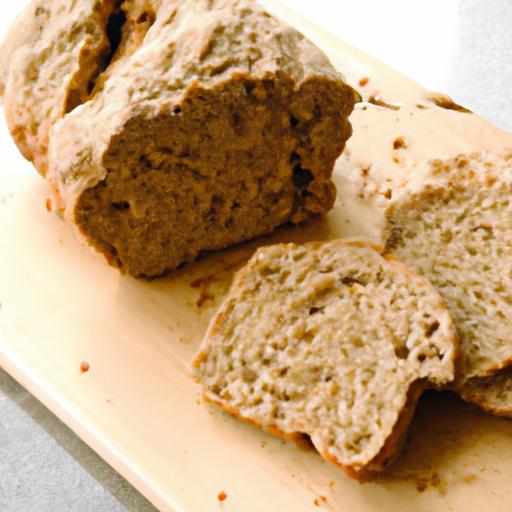
This lectin-free bread is a versatile treat, perfect toasted with a smear of almond butter, or sliced for sandwiches filled with fresh veggies and your choice of protein. Consider garnishing each slice with microgreens or a sprinkle of chia seeds for a healthful touch. Pair with homemade hummus or a savory avocado spread for an indulgent brunch experience.
| Nutritional Information | Per Slice |
|---|---|
| Calories | 150 |
| Protein | 6g |
| Carbs | 5g |
| Fat | 13g |
For more insights and delightful recipes, check out our guide on lectin-free ingredients to further explore the exciting world of healthy baking!
Q&A
Q&A: Deliciously Free – Your Guide to Lectin-Free Bread Baking
Q: What exactly is lectin, and why should I consider baking lectin-free bread?
A: Lectins are a type of protein found in many foods, notably in beans, grains, and certain fruits and vegetables. Some individuals may experience discomfort or digestive issues when consuming lectin-rich foods. Baking lectin-free bread allows you to enjoy homemade, wholesome bread while avoiding potentially problematic ingredients. This guide empowers you to embrace a new baking experience without sacrificing taste or texture!
Q: What types of flours are suitable for lectin-free bread baking?
A: There’s a delightful range of flours you can experiment with! Almond flour, coconut flour, and cassava flour are excellent choices for creating a lectin-free loaf. Each of these flours brings unique flavors and textures to your bread, expanding your culinary creativity. Be sure to explore the specific characteristics of each flour to find the perfect match for your baking needs!
Q: Can I use traditional yeast when baking lectin-free bread?
A: Yes, you can! Traditional yeast is generally low in lectins; however, to maintain a fully lectin-free approach, some bakers opt for alternatives, such as sourdough starters made with lectin-free flours or baking powder and baking soda for leavening.The choice is yours! Just consider how each option affects the rise and flavor of your bread.
Q: Are there any easy recipes for beginners looking to try lectin-free bread baking?
A: Absolutely! A basic almond flour bread is a fantastic starting point. Simply combine almond flour, baking powder, salt, and eggs. Mix until smooth, pour the batter into a loaf pan, and bake until golden. For an extra twist,try adding herbs like rosemary or spices like cinnamon to elevate your loaf! Baking can be simple and rewarding when you start with straightforward recipes.
Q: How do I ensure my lectin-free bread remains moist and flavorful?
A: Moisture retention is key for delicious bread! Experiment with adding sources of moisture such as unsweetened apple sauce, yogurt, or even mashed avocado into your batter. Don’t forget fat plays a vital role too-beneficial oils like olive or avocado oil can prevent dryness. Also, consider covering your bread with a kitchen towel while it cools to help maintain its moisture.
Q: What are some creative toppings or spreads that pair well with lectin-free bread?
A: Inspiration abounds in the world of lectin-free toppings! Consider spreading avocado for a creamy texture, mixing fresh herbs with cream cheese for a zingy spread, or layering luscious almond butter topped with sliced bananas or strawberries. These delightfully nutritious additions not only enhance the taste but also elevate your overall dining experience!
Q: Can I still get that splendid crust on my lectin-free bread?
A: Indeed! Achieving a lovely crust is within reach.Preheat your oven with a cast-iron skillet inside and pour cold water into it just before adding your bread-this creates steam that contributes to a crispy crust.Alternatively, bake your bread in a covered dutch oven to trap moisture, helping the crust develop beautifully.
Q: How should I store my lectin-free bread to maintain freshness?
A: To keep your lectin-free bread as fresh as possible, let it cool completely before wrapping it in parchment paper or beeswax wraps. Alternatively, use a bread box or an airtight container to prevent moisture buildup. If you want to extend its shelf life, slice and freeze extras! Simply pop them in the toaster when you’re ready for a warm, comforting treat.
whether you’re a seasoned baker or a curious novice, “Deliciously Free” invites you to explore the art and joy of lectin-free bread baking. Unleash your creativity and delight in the wholesome goodness that awaits! 🌾✨
Future Outlook
As we wrap up our culinary journey through the world of lectin-free bread baking, we hope you feel inspired to unleash your creativity in the kitchen. The recipes and tips shared in “Deliciously Free” are just the beginning-an invitation to explore the rich, diverse options available when you escape the confines of traditional bread-making.
Remember, each loaf is not just a blend of ingredients, but a canvas for your personal culinary expression.So whether you’re mastering the art of almond flour baguettes or experimenting with innovative seed bread creations, know that every experiment brings you one step closer to finding your perfect slice.
Embrace the freedom that comes with baking without lectins, letting your taste buds lead the way as you savor the health benefits and delightful flavors. And don’t forget-sharing your delicious creations with friends and family makes the experience even more rewarding.
So,roll up your sleeves,grab your mixing bowl,and let the aroma of freshly baked bread fill your home. It’s time to indulge in a baking adventure that is not only delicious but also kind to your body. Happy baking!