

Delightful Middle Eastern Sweets: A Tasty Exploration
Embark on a culinary journey that transcends borders and tantalizes the taste buds as we delve into the enchanting world of Middle Eastern sweets. Rich in history and steeped in tradition, these confections are not merely desserts but stories waiting to be tasted. Each bite transports you to bustling bazaars filled with aromatic spices, nutty delights, and the sweet perfumes of rose and orange blossom. From the flaky layers of baklava dripping with honey to the delicate, fragrant maamoul stuffed with nuts and dates, the sweets of the Middle East are a celebration of culture, hospitality, and the artistry of culinary craftsmanship.Join us as we explore the diverse landscape of these delightful treats, uncovering their origins, unique ingredients, and cherished recipes that have been passed down through generations. Get ready to satisfy your sweet tooth and ignite your curiosity as we embark on this delicious exploration!
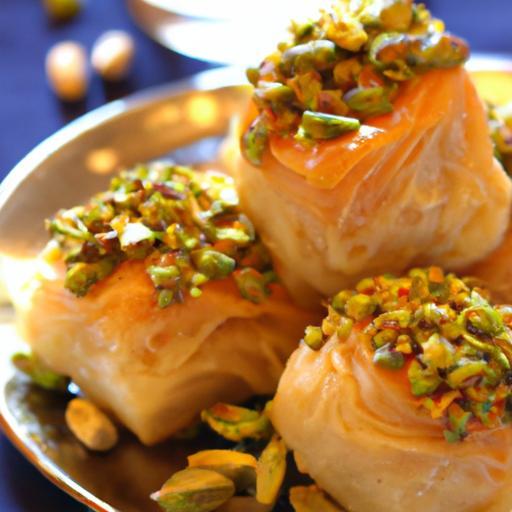
Delightful Middle Eastern sweets are a celebration of flavors, textures, and traditions that span generations. Among the myriad of treats, two stand out as emblematic-baclava and knafeh. These iconic delights are intertwined with rich heritage and stories, reflecting the culinary practices of the Middle Eastern cultures. From the use of fragrant spices to layers of delicate pastry, these sweets invite you to explore their irresistible charm. Join me in this sweet exploration of essential ingredients and delightful pairings that will elevate your dessert experience!
Prep and Cook Time
Prep Time: 20 minutes
Cook Time: 1 hour
Yield
Servings: 12 pieces
Difficulty Level
Level: Medium
Ingredients
- 1 pound phyllo pastry, thawed
- 2 cups nuts (walnuts, almonds, or pistachios), finely chopped
- 1 teaspoon ground cinnamon
- ½ cup sugar
- 1 cup unsalted butter, melted
- 1 cup water
- 1 cup granulated sugar (for syrup)
- ½ cup honey
- 1 teaspoon vanilla extract
- 1 tablespoon lemon juice
Instructions
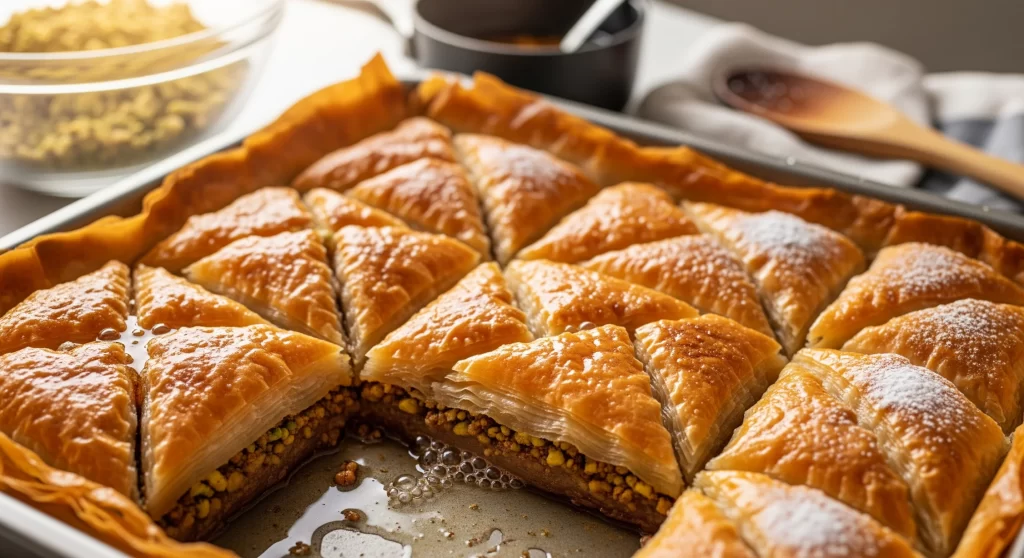
- In a bowl, mix the chopped nuts with ground cinnamon and ½ cup sugar until well combined. Set aside.
- Preheat your oven to 350°F (175°C). Grease a 9×13 inch baking dish with melted butter.
- Take one sheet of phyllo pastry and lay it flat on your work surface. Brush lightly with melted butter, then layer on another sheet. Repeat this process, stacking about 8 sheets together.
- After applying the layers,spread a thin layer of the nut mixture over the pastry,then continue layering with 4 more sheets,brushing each with melted butter,followed by another layer of nuts. Repeat until all the nuts are used, finishing with several layers of phyllo on top.
- Using a sharp knife, cut the assembled pastry into diamond or square shapes.
- Bake in the preheated oven for 45-50 minutes until golden brown and crispy.
- Simultaneously occurring, prepare the syrup. In a saucepan, combine water, 1 cup sugar, honey, vanilla extract, and lemon juice. Bring to a boil, then reduce heat and simmer for about 10 minutes. Allow it to cool.
- Once the baklava is done baking, pour the cooled syrup evenly over the hot pastry. Let it sit for several hours before serving, allowing the syrup to soak in.
chef’s Notes
here are a few tips for success:
- For a nut allergy-kind version, consider replacing nuts with a mixture of seeds or dried fruits.
- Try adding cardamom to the nut filling for a unique aromatic flavor.
- Baklava can be made in advance and stored in an airtight container; the flavors deepen over time!
Serving Suggestions
To truly enjoy these delightful Middle Eastern sweets, serve the baklava with:
- A side of cardamom-spiced chai, enhancing the rich flavors of the dessert.
- Mint tea, its refreshing notes balancing the sweetness of the baklava.
- Slices of fresh citrus, such as oranges or blood oranges, to cut through the richness.
| Nutritional Data | Per Serving |
|---|---|
| Calories | 250 |
| Protein | 3g |
| Carbs | 30g |
| Fat | 12g |
Whether you’re celebrating a special occasion or simply indulging in a sweet treat, this exploration of delightful Middle Eastern sweets like baklava can be a stunning adventure in your kitchen. Each bite is a testament to the rich heritage of this exquisite confectionery tradition.
Q&A
Q: What are some of the most popular Middle Eastern sweets?
A: The Middle Eastern region is a treasure trove of sweets, each with its own unique flavor and cultural importance. Some beloved favorites include baklava,a flaky pastry layered with nuts and drenched in honey syrup; halva,a dense confection made from tahini and sugar,often mixed with nuts; and kunafa,a dessert made with shredded phyllo dough,cheese,or cream,soaked in syrup. Each sweet has a story to tell, rooted in tradition and celebration.
Q: What are the main ingredients commonly used in these sweets?
A: Middle Eastern sweets often feature a delightful mix of ingredients. Nuts such as pistachios, almonds, and walnuts add crunch and flavor; rose water and orange blossom water infuse them with floral notes; and spices like cinnamon and cardamom provide warmth and depth. Many of these delights are sweetened with local honey or sugar syrup, making every bite a luscious experience.
Q: Are Middle Eastern sweets suitable for vegans or those with dietary restrictions?
A: While many Middle Eastern sweets are made with ingredients like dairy and ghee, there are plenty that can cater to those following vegan diets or with certain dietary restrictions. For example, some varieties of halva are made with solely plant-based ingredients. It’s always best to check the specific recipes or ask vendors, especially in markets, to find options that suit your needs.
Q: How are these Middle Eastern Sweets traditionally enjoyed?
A: Middle Eastern sweets are more than just desserts; they are an integral part of hospitality and celebration. They are frequently enough served during festive occasions and gatherings, accompanied by steaming cups of tea or coffee. It’s common for families to present a beautiful assortment of sweets to guests as a symbol of warmth and welcome. Sharing and enjoying these treats together strengthens bonds and enriches cultural traditions.
Q: Can I make these delightful sweets at home?
A: Absolutely! Many Middle Eastern sweets have traditional recipes that can be made with a little time and patience. for beginners, baklava is a grate choice, as it involves layering ingredients and a little assembly. More advanced bakers might tackle kunafa, which requires mastering the delicate art of handling phyllo dough. Don’t be afraid to experiment with flavors and ingredients-the beauty of Middle Eastern desserts lies in their versatility and adaptability!
Q: Where can I find authentic Middle Eastern sweets?
A: The best places to find authentic Middle Eastern sweets are often local bakeries, specialty stores, and restaurants that focus on Middle Eastern cuisine. If you’re feeling adventurous, many recipes are also available online, allowing you to recreate these delightful treats in your own kitchen.Additionally,food markets and festivals celebrating Middle Eastern culture can be a fantastic way to sample a variety of sweets and discover new favorites.
Q: Are there any lesser-known Middle Eastern sweets worth trying?
A: Absolutely! while baklava and kunafa frequently enough steal the limelight, sweets like maamoul-filled shortbread cookies typically containing dates or nuts-are worth discovering. Another gem is zalabia,a deep-fried donut-like pastry drizzled with syrup and frequently enough sprinkled with powdered sugar. For a refreshing twist, try basbousa, a semolina cake soaked in syrup, sometimes topped with toasted almonds. Each of these sweets promises a delightful taste of Middle Eastern heritage!
Key Takeaways
As we conclude our delectable journey through the enchanting world of Middle Eastern sweets, it’s clear that each bite is more than just a treat; it’s a story steeped in tradition, culture, and an irresistible allure. From the sticky sweetness of baklava to the fragrant notes of rosewater in Turkish delight, these confections embody the rich tapestry of flavors that define the region. Whether enjoyed during festive celebrations or savored in quiet moments of reflection, Middle eastern sweets have an uncanny ability to evoke joy and connection.
So, as you venture into your own culinary explorations, remember that each sweet not only tantalizes the taste buds but also bridges generations and communities. Don’t hesitate to share these sweet discoveries with friends and family, allowing the joys of Middle Eastern desserts to spread beyond borders.After all, what better way to experience a culture than through its most indulgent offerings? May your taste buds continue to explore, your heart find joy in sharing, and your table be ever adorned with these delightful treasures. Happy tasting!