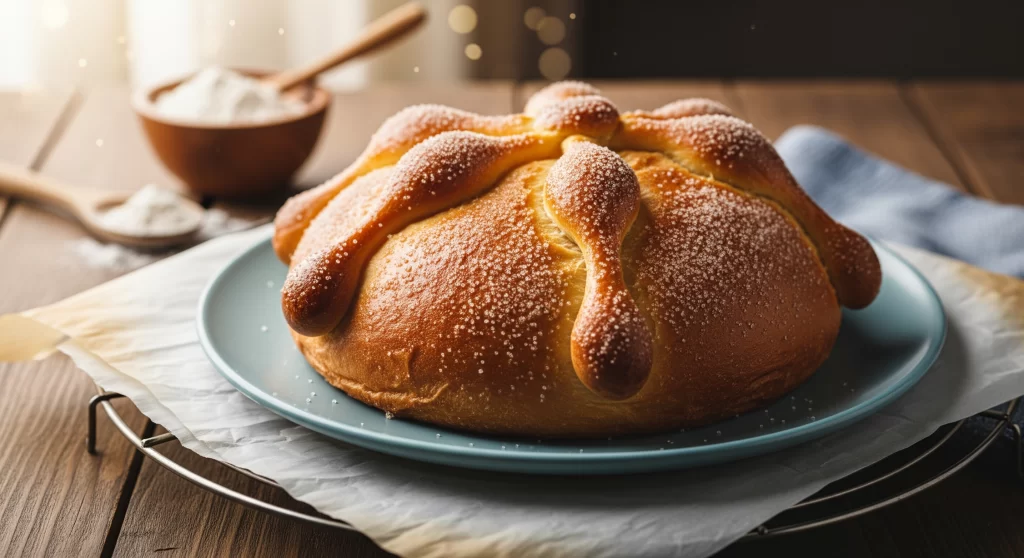


As autumn leaves drift through the air and the scent of cinnamon and sugar dances in warm kitchens, a cherished tradition comes to life in homes across Mexico and beyond. Pan de Muerto, or “Bread of the Dead,” transcends mere baking; it is a celebration of life, a bridge between the living and the departed. This delightful, sweet bread, adorned with its signature bone-like decorations, serves as an offering on altars during the Día de los Muertos, or Day of the Dead, a festival steeped in rich history and vibrant culture. in this article, we will explore the art of mastering Pan de Muerto, uncovering the secrets behind its iconic texture and flavor, the symbolism woven into its dough, and the joy it brings to both those who bake it and those who share in its delectable charm. join us as we delve into this timeless recipe and discover how to evoke the spirit of tradition in yoru very own kitchen.
Mastering the art of Pan de Muerto is an enchanting journey through culture and flavor. This conventional Mexican bread, baked to honor the spirits of the departed during the day of the Dead celebrations, evokes cherished memories and warmth. With its soft, fluffy texture and a touch of citrus, each bite tells a story of love and remembrance. Join me as we unlock the beauty behind this iconic recipe, making your own Pan de Muerto a centerpiece of your family’s traditions.
Prep and Cook Time
- Prep Time: 2 hours
- Cook Time: 30 minutes
- Inactive Time: 1 hour (for dough rising)
Yield
Approximately 8 servings
Difficulty Level
Medium
Essential ingredients for the Perfect Pan de Muerto
- 4 cups all-purpose flour,sifted
- 1 cup granulated sugar
- 1/2 cup unsalted butter,softened
- 1 cup warm milk (about 110°F)
- 3 large eggs
- 1 tablespoon active dry yeast
- 1 teaspoon vanilla extract
- 1 tablespoon grated orange zest
- 1/2 teaspoon salt
- 1 tablespoon anise seeds (optional)
- 1 egg (for egg wash)
- Extra granulated sugar for sprinkling
Step-by-step Guide to Crafting Fluffy Bread
- In a small bowl,combine the warm milk and active dry yeast. Let it sit for about 5 minutes, or until frothy.
- In a large mixing bowl,whisk together the flour,granulated sugar,and salt.
- Make a well in the center of the flour mixture and add the yeast mixture, eggs, vanilla extract, orange zest, and softened butter.
- Mix until the dough starts to come together, then knead it by hand or with a stand mixer fitted with a dough hook for about 8-10 minutes, until it becomes smooth and elastic.
- Place the dough in a greased bowl, cover it with a clean kitchen towel, and let it rise in a warm spot until doubled in size, about 1 hour.
- Once risen, punch down the dough and turn it out onto a lightly floured surface. Divide the dough into two equal portions: one larger for the main loaf and one smaller for the decorations.
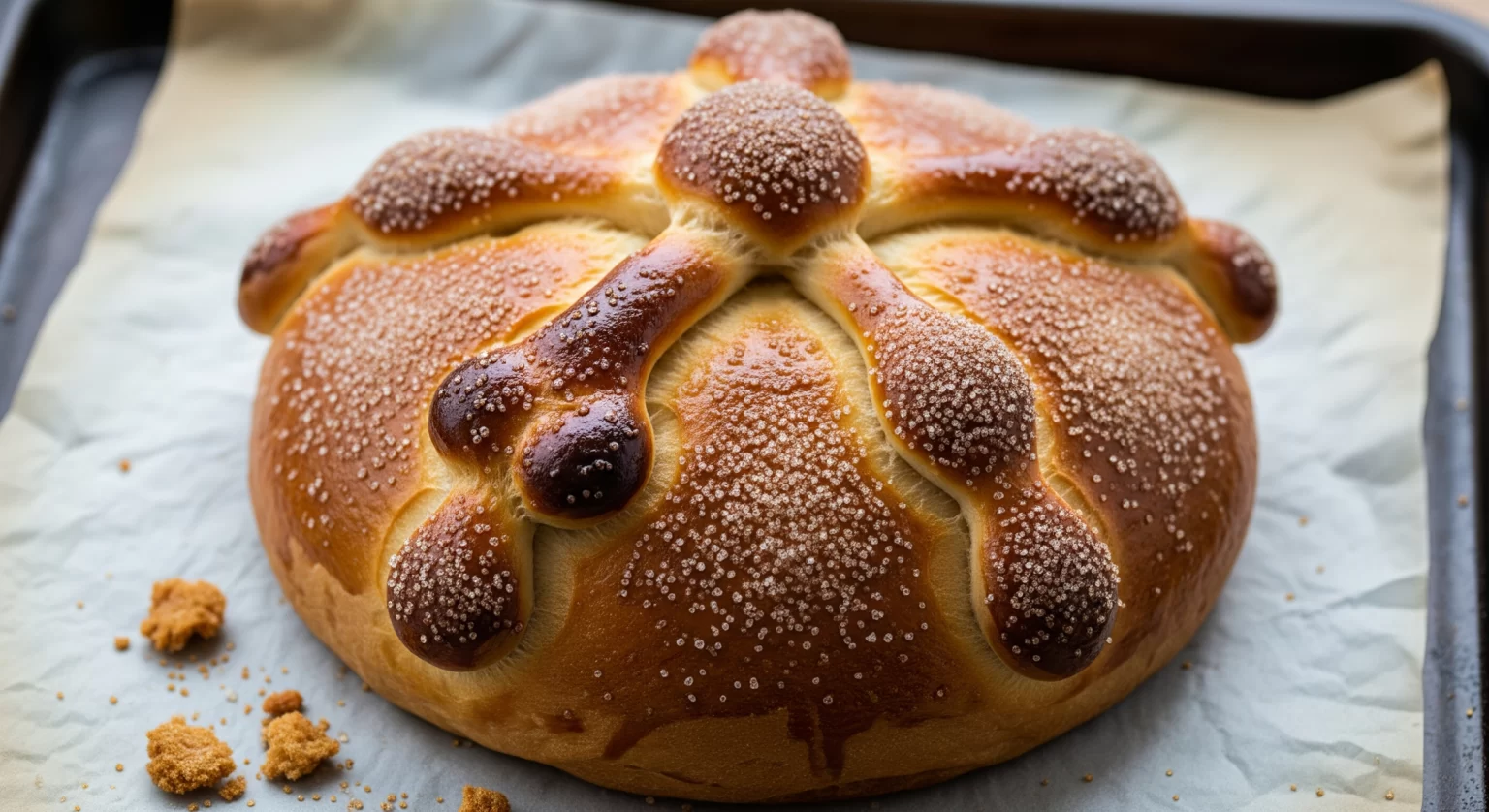
- Shape the larger portion into a round loaf,then use the smaller portion to create decorative bones by rolling small pieces into thin strips and arranging them atop the loaf.
- Place the shaped loaf on a parchment-lined baking sheet. Cover it again with a towel and let it rise for another 30-45 minutes.
- Preheat your oven to 350°F (175°C).Brush the loaf with the beaten egg and sprinkle with sugar before baking.
- Bake for about 25-30 minutes, or until golden brown and the bread sounds hollow when tapped on the bottom.
- allow the Pan de Muerto to cool on a wire rack before serving.
Secrets to Decorating and Presenting Your pan de Muerto
The beauty of Pan de Muerto lies not only in its taste but also in its presentation. Here are a few tips to make your creation shine:
- After the bread has cooled, sprinkle it generously with granulated sugar for a delightful sweetness.
- Garnish with fresh orange slices or edible flowers to enhance the visual appeal, and celebrate the elements of life that this bread represents.
- Consider placing your Pan de Muerto on a colorful woven plate or altar to reflect the vibrant culture it is indeed rooted in.
Chef’s Notes
Here are some tips for success:
- If you enjoy a slightly different flavor, try adding lemon zest along with the orange zest. this gives the bread a delightful citrus balance.
- For an even fluffier texture, allow the dough to rise a bit longer during each step. Patience is key when creating this traditional delight!
- If you’re short on time, you can make the dough the night before and let it rise in the refrigerator overnight. Shape it in the morning and allow it to rise again before baking.
Serving Suggestions
Pan de Muerto is best enjoyed warm or at room temperature. Here are some ideas on how to savor your creation:
- serve slices alongside a hot cup of Mexican chocolate or your favorite coffee, allowing the warm flavors to enhance one another.
- Pair with a fruit compote or homemade marmalade for an added touch of sweetness and freshness.
- For a modern twist, enjoy with a scoop of cinnamon ice cream for a delectable dessert.
| Nutritional Data | Per Serving |
|---|---|
| Calories | 300 |
| protein | 6g |
| Carbohydrates | 45g |
| Fat | 12g |
Q&A
Q: What is Pan de Muerto and why is it important in Mexican culture?
A: Pan de Muerto, or “Bread of the Dead,” is a traditional Mexican pastry that holds deep cultural significance, especially during the Día de los Muertos (Day of the Dead) celebrations. it symbolizes the cycle of life and death, serving as a tasty offering for the spirits of loved ones who return to visit during this festive time. Each bite is a sweet reminder of the connections that transcend even death-a blend of memory, honor, and culinary art.
Q: What are the key ingredients needed to make authentic Pan de Muerto?
A: To create the perfect Pan de Muerto, you’ll need simple yet flavorful ingredients such as flour, sugar, eggs, milk, butter, and orange zest. The unique essence of this bread comes from a combination of spices like cinnamon and anise, which elevate its flavor profile and make it truly special. A sprinkle of sugar on top adds a touch of sweetness, while the dough is shaped into various forms to represent the deceased and their journey.
Q: Can you explain the traditional process of making Pan de Muerto?
A: Absolutely! The process begins by activating the yeast, mixing it with warm milk and sugar until bubbly. Next, you’ll combine the flour and spices in a large bowl, then gradually incorporate the wet mixture along with eggs and melted butter. After kneading the dough to a smooth consistency, it’s essential to let it rise in a warm place until it doubles in size. Once risen, shape the dough into spheres, decorate them with delicate bone-like strands, and allow them to rise again. bake until golden, glaze with syrup, and sprinkle with sugar for a delightful finish!
Q: What variations can be found in Pan de Muerto recipes across different regions of Mexico?
A: Pan de Muerto varies wonderfully across regions, each with its own unique twist! in central Mexico, you might find a version that’s orange-flavored, while in the south, bakers often incorporate sweet anise seeds for a distinctive taste. Some regions even add fillings like sweet cocoa or flavored creams. These regional interpretations reflect local traditions and ingredients, showcasing the beautiful diversity of Mexican cuisine.
Q: How can I make Pan de Muerto a memorable experience for my family?
A: Making Pan de Muerto is more than just baking; it’s about creating memories! invite your family to join in the preparation-turn it into a bonding experience. Share stories about loved ones who have passed as you shape the dough and decorate the bread.Once baked and adorned, gather around your altar or a cozy table, and enjoy the bread together with hot chocolate or atole, savoring the flavors while honoring your cherished memories.
Q: Are there any tips for storing or preserving Pan de Muerto?
A: To keep your Pan de Muerto fresh and tasty, store any leftovers in an airtight container at room temperature for up to three days. If you want to keep it for longer, consider freezing the bread wrapped tightly in plastic wrap and then in foil. When you’re ready to indulge again, simply thaw it at room temperature or warm it in the oven for a few minutes-this way, you can relive the experience of celebrating life and memory anytime!
To Wrap It Up
As we conclude our exploration of “Mastering the Art of Pan de Muerto,” we hope you’ve gathered not just a recipe, but a connection to the rich traditions and vibrant culture that this delightful bread embodies.Whether you find yourself baking it during Día de los Muertos or simply craving a taste of Mexico’s culinary artistry, each loaf is a celebration of life and remembrance.
Allow the aroma of orange blossom and anise to fill your kitchen as you create this beloved treat, transforming a simple act of baking into a heartfelt tribute. As you share slices of Pan de Muerto with loved ones, remember that each bite is infused with history, love, and community-a timeless recipe that transcends generations.
So, roll up your sleeves, don your apron, and embark on this delicious journey. Mastering Pan de Muerto is not just about the process; it’s about embracing a rich tapestry of heritage and savoring the sweet, aromatic memories that come from every knead and rise. Happy baking, and may your home be filled with warmth, joy, and the spirit of those we honor with this cherished bread!