


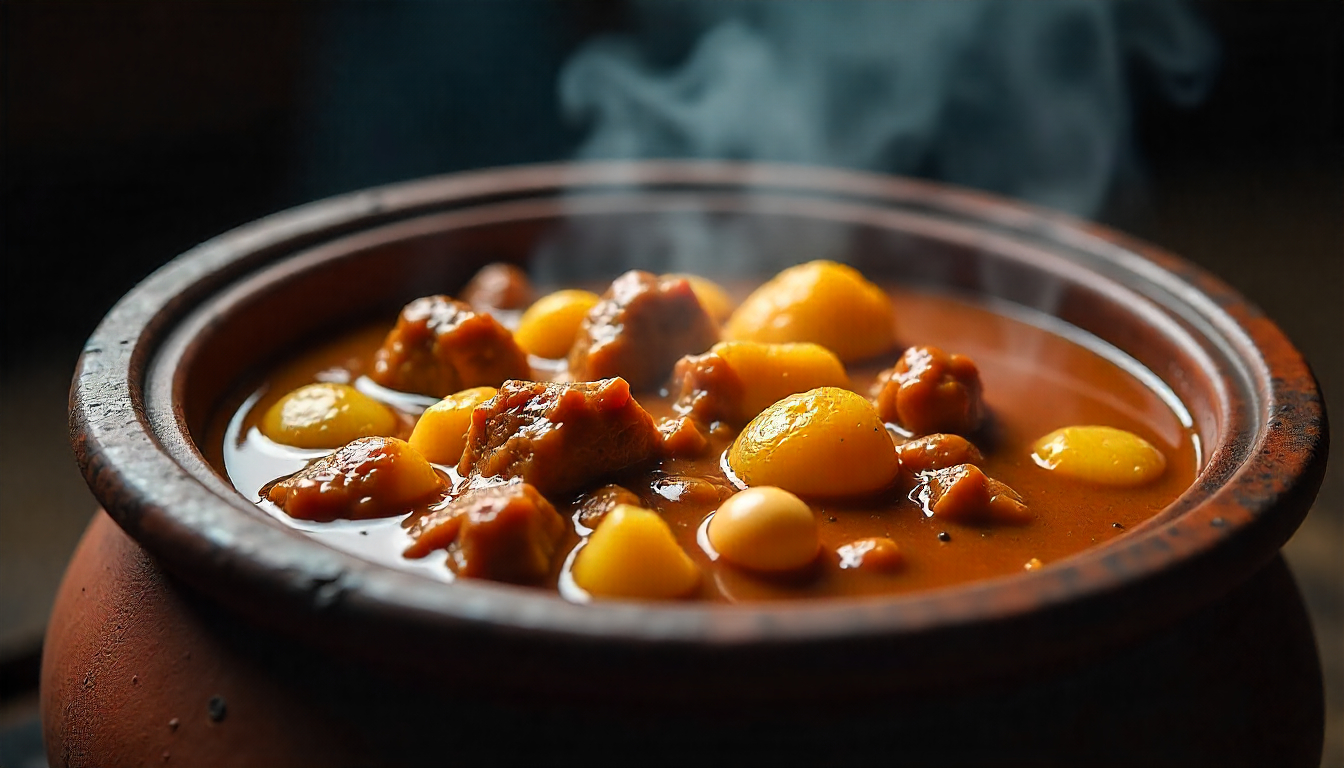
Exploring the Rich Flavors of West African Peanut Stew
Nestled in the heart of West Africa, a culinary gem awaits—one that tells stories of tradition, community, and vibrant culture through its distinctive flavors. Enter the world of peanut stew, a dish that transcends mere sustenance and offers a tantalizing experience for the senses. With its roots embedded deeply in the agricultural practices of the region, this hearty stew melds together the nutty richness of ground peanuts, the warmth of spices, and the vibrant colors of fresh vegetables, creating a symphony of taste that is as nourishing as it is comforting.
In this exploration of West African peanut stew, we’ll delve into its origins, the diverse variations that exist across different cultures, and the culinary techniques that bring this beloved dish to life. Each bowl serves not only as a meal but also as a reflection of the rich tapestry of communities that have embraced peanuts as a staple ingredient. Join us on this flavorful journey, where each bite reveals layers of history and tradition, inviting you to savor both the food and the vibrant stories behind it.
Exploring the Rich Flavors of West African Peanut Stew
The flavors of West African Peanut Stew offer a dynamic interplay of ingredients that celebrates the region’s vibrant culinary heritage. This hearty dish, known variously across the continent, encompasses a rich tapestry of cultural influences, each bite revealing the essence of West Africa. With origins tracing back to communities that prized the versatility of peanuts, or groundnuts, this stew serves as a comforting staple, often enjoyed during family gatherings or festive occasions.
Prep and Cook Time
- Prep Time: 15 minutes
- Cook Time: 45 minutes
Yield
- Servings: 4-6
Difficulty Level
- Easy
Ingredients
- 2 tablespoons vegetable oil
- 1 large onion, diced
- 2 cloves garlic, minced
- 1 tablespoon fresh ginger, grated
- 1 teaspoon ground cumin
- 1 teaspoon ground coriander
- 1 teaspoon smoked paprika
- 1 can (14 oz) diced tomatoes
- 1 cup vegetable broth
- 1 cup natural peanut butter (smooth)
- 1-2 cups sweet potatoes, diced
- 1 can (15 oz) chickpeas, drained and rinsed
- 2-3 cups kale or spinach, roughly chopped
- Salt and pepper, to taste
- Fresh cilantro, for garnish
Instructions
- In a large pot, heat the vegetable oil over medium heat. Add the diced onion and sauté until translucent, about 5 minutes.
- Stir in the garlic and ginger, cooking for an additional minute until fragrant.
- Add the ground cumin, ground coriander, and smoked paprika, stirring to combine and toasting the spices slightly, about 1 minute.
- Incorporate the diced tomatoes and scrape up any flavorful bits from the bottom of the pot, allowing the mixture to simmer for 5 minutes.
- Pour in the vegetable broth and stir in the peanut butter, mixing until smooth and fully melted into the liquid.
- Add the diced sweet potatoes and chickpeas, ensuring they are well coated in the sauce. Bring the stew to a gentle simmer.
- Cover and let simmer for about 20-25 minutes, or until the sweet potatoes are fork-tender.
- Fold in the kale or spinach and cook for an additional 5 minutes, until wilted. Season with salt and pepper to taste.
- Serve warm, garnished with fresh cilantro.
Chef’s Notes
- Variations: Feel free to substitute Sweet Potatoes for other root vegetables like carrots or turnips, based on your preference.
- Make-Ahead: This stew keeps well and can be stored in the refrigerator for up to 3 days, making it perfect for meal prep.
- Peanut Allergy Substitute: If peanuts are a concern, consider using sunflower seed butter for a similar flavor without allergens.
Serving Suggestions
For an authentic experience, serve the stew over fluffy couscous or jollof rice. A side of fried plantains adds a lovely sweetness that complements the nuttiness of the stew. Top with additional cilantro and a squeeze of lime for a refreshing contrast. For a heartier meal, accompany it with warm, crusty bread, perfect for dipping into the rich sauce.
| Nutritional Information | Per Serving |
|---|---|
| Calories | 380 |
| Protein | 12g |
| Carbs | 48g |
| Fat | 18g |

Q&A
Q&A: Exploring the Rich Flavors of West African Peanut Stew
Q1: What is West African Peanut Stew, and how is it traditionally prepared?
A1: West African Peanut Stew, often called “Groundnut Stew,” is a vibrant and hearty dish that showcases the rich culinary tapestry of West Africa. Traditionally made with ground peanuts, a variety of vegetables, and proteins—ranging from chicken to tofu—this stew is a delightful blend of flavors and textures. The preparation begins with sautéing ingredients like onions, garlic, and ginger, followed by the addition of tomatoes and spices. Next comes the peanut paste, which lends a creamy, nutty depth to the stew, while a splash of stock brings everything together in a bubbling cauldron of flavor.
Q2: What are the key ingredients that contribute to the stew’s unique flavor?
A2: The key ingredients of West African Peanut Stew not only create a symphony of flavors but also paint a picture of local agricultural practices. Ground peanuts are, of course, the star, infusing the dish with nuttiness. Sweet potatoes, yams, or carrots add a touch of sweetness, while leafy greens like spinach or kale balance the meal with their earthiness. A medley of spices such as cumin, coriander, and chili pepper contributes warmth and complexity, while fresh herbs like cilantro or parsley can give it a vibrant finish.
Q3: How does this stew embody cultural significance in West African communities?
A3: Peanut stew is much more than just a meal; it embodies community, tradition, and hospitality in West African cultures. Often shared among family and friends, the stew serves as a centerpiece for gatherings, symbolizing unity and sharing. It’s a dish that tells stories of heritage, as recipes are passed down through generations, with each family adding their personal touch. Furthermore, peanuts are a staple crop in many regions, linking the stew to the agricultural practices and local economies of the area.
Q4: Are there variations of the stew, and how do they differ?
A4: Absolutely! The beauty of West African Peanut Stew lies in its adaptability. Each region has its unique twist, reflecting local ingredients and culinary sentiments. For instance, a Gambian version might include fresh fish, while a Nigerian twist may marry the peanuts with beef or chicken in a spicier rendition. Furthermore, vegetarian and vegan adaptations abound, often featuring legumes or mushrooms in place of meat. Whether it’s the infusion of sweet plantains or the addition of coconut milk for a creamy finish, these regional variations enrich the stew’s versatility.
Q5: What are some tips for making the perfect Peanut Stew at home?
A5: Making the perfect Peanut Stew is all about balance and patience! Here are some tips:
- Quality ingredients matter: Use high-quality unsweetened peanut butter or grind your own peanuts for that fresh, rich flavor.
- Layer your flavors: Sauté your aromatics slowly for maximum flavor extraction, and consider adding spices progressively as you build the dish.
- Adjust the consistency: If you prefer a thicker stew, let it simmer longer; for a lighter, soupier consistency, just add more broth.
- Don’t skip the greens: Stir in your leafy greens towards the end of cooking to retain their vibrant color and nutrients.
- Taste as you go: Season and adjust flavors, playing with spices, acidity, and sweetness to tailor the dish to your palate.
Q6: How can one enjoy West African Peanut Stew, and what are some perfect pairings?
A6: West African Peanut Stew is best enjoyed hot, ladled over a bed of fluffy rice, couscous, or fufu to soak up the luscious sauce. For an added crunch, consider serving it with crispy plantains or crusty bread on the side. Complement your meal with refreshing beverages like hibiscus tea or coconut water, and finish off with tropical fruits for dessert. This combination not only pays homage to the meal’s origins but also highlights the joyful exuberance of West African cuisine.
Through this rich exploration, West African Peanut Stew invites you to experience vibrant flavors and cultural stories that tantalize the senses and warm the soul. Enjoy the journey!
To Conclude
As we conclude our culinary journey through the vibrant and hearty world of West African peanut stew, it’s clear that this dish is more than just a meal—it’s a celebration of culture, community, and craftsmanship. Each spoonful brings together a symphony of flavors, showcasing the artistry of local ingredients and traditional cooking methods. Whether you’re savoring a comforting bowl in a bustling kitchen or experimenting with your own version at home, we invite you to relish the deep, nutty richness and the lively spices that tell a story as rich as the stew itself.
So, gather your loved ones, prepare some rice or fufu, and immerse yourself in this delightful experience that transcends borders and generations. With each bite, you’re not just tasting a dish; you’re engaging in a timeless tradition that embodies the warmth and resilience of West African culture. Embrace the adventure of cooking, the joy of sharing, and the satisfaction of embracing new flavors. Happy cooking, and may the goodness of peanut stew find its way into your heart and home!