

Delight in Every Bite: The Art of Japanese salmon Rice Bowls
Imagine the gentle swirl of a chef’s knife as it glides through the vivid flesh of a fresh salmon fillet,the aroma of warm,fragrant sushi rice wafting through the air,and the vibrant colors of crisp vegetables and glistening toppings dancing on a bowl that is not just a meal but a celebration of culture and culinary innovation. Japanese salmon rice bowls, or donburi, encapsulate the essence of Japan’s rich gastronomic heritage, offering a harmonious balance of flavors and textures that tantalize the senses. This article invites you to embark on a culinary journey into the heart of this beloved dish-exploring its history, understanding the delicate artistry behind its readiness, and discovering the myriad ways you can recreate this nutritious and delectable bowl of goodness in your own kitchen. Get ready to immerse yourself in the world of umami,simplicity,and the art of making every bite a moment of delight.
Exploring the Freshness: Sourcing Quality Salmon for your Bowl
Delight in every bite with the exquisite flavors of a Japanese salmon rice bowl. Sourcing the freshest salmon is crucial, as it serves as the star of this delightful dish. For the best experience, look for wild-caught salmon, which often boasts a superior flavor and texture compared to farmed alternatives.opt for varieties like sockeye or king salmon, known for their vibrant color and rich taste. When purchasing, ensure the salmon is fresh, with a clean, ocean-like scent and firm flesh that springs back when touched. Local fish markets or trusted seafood suppliers often provide the best selections, and don’t hesitate to ask about their sourcing practices. Purchasing whole fillets allows for a more personalized touch, as you can slice it to your desired thickness. Remember, the key to enjoying exceptional salmon is to be attentive to its quality.
The Perfect Rice: Techniques for Cooking Authentic Japanese Sushi Rice
The grounding essence of any great Japanese salmon rice bowl lies in the rice. For authentic sushi rice, you’ll require short-grain rice, which is sticky and has the perfect yielding texture. Start by rinsing 2 cups of sushi rice under cold water until the water runs clear; this removes excess starch and helps achieve the desired chewy consistency. Soak the rinsed rice in fresh water for 30 minutes before cooking to allow it to absorb moisture evenly.
The cooking method is paramount; combine the rinsed and soaked rice with 2 cups of water in a rice cooker or pot. For a rice cooker, simply set it to ‘sushi’ mode. If using a pot, bring the water to a boil, reduce to a simmer, and cover.Cook for 18 minutes, then remove from heat to steam for an additional 10 minutes while still covered. Gently mix in 3 tablespoons of rice vinegar, 1 tablespoon of sugar, and 1 teaspoon of salt once the rice is done, ensuring an evenly seasoned and glossy finish. This process guarantees that your rice will complement the salmon perfectly, adding a subtly sweet and tangy note to every bite.
Elevating flavor: Essential Toppings and Condiments for a Gourmet Experience
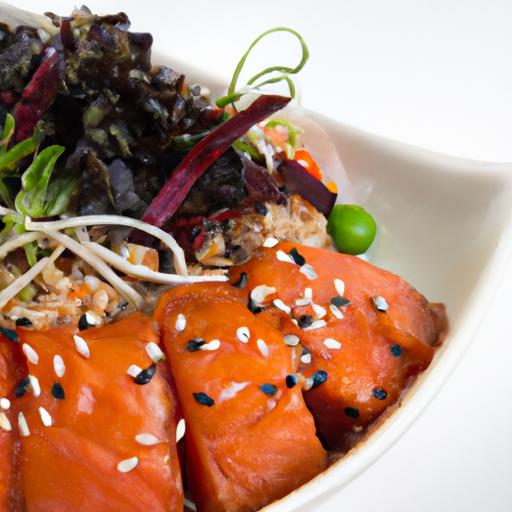
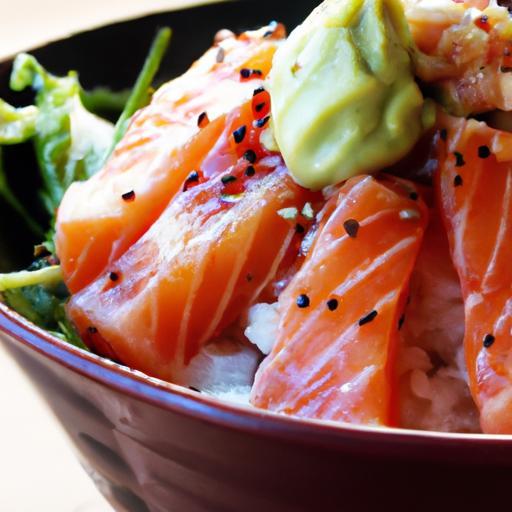
To truly earn a gourmet status, incorporating a variety of toppings and condiments will elevate your salmon rice bowl. Start with the classics: slices of creamy avocado, refreshing cucumber ribbons, and shining green edamame. For a pop of color and a crunch, sprinkle with *furikake*, a Japanese seasoning made from seaweed, sesame seeds, and dried fish. Adding a few thinly sliced scallions brings a delightful sharpness that contrasts beautifully with the richness of the salmon.
Don’t forget the finishing touches; drizzling with a soy-ginger sauce enhances the umami profile while wasabi or pickled ginger can offer a zesty kick. For those inclined towards spicy notes, a touch of sriracha or spicy mayo can add an exciting depth. Each element contributes its unique flavor, creating a bowl that’s as visually striking as it is flavorful.
Cultural Importance: The History and Traditions Behind Salmon rice Bowls
Embark on a journey through time to appreciate the cultural significance of salmon rice bowls. Originating from the traditions of the Edo period in Japan, where sushi began as a means of preservation, these bowls have evolved into a beloved staple. Salmon, frequently enough referred to as *sake* in Japanese, has become one of the most celebrated fish in culinary practices today. Traditionally, salmon rice bowls represent more than just a meal; they are a celebration of seasonal offerings, sustainability, and the simple joys of sharing food with loved ones.
in Japan, the practice of eating salmon rice bowls is often associated with family gatherings and festive occasions.The careful attention to sourcing, preparation, and presentation embodies the Japanese culinary beliefs of *omotenashi*, or selfless hospitality.Embracing these traditions not only connects us to the dish’s rich history but also reinforces our appreciation for quality ingredients and mindful eating.
Prep and Cook Time
- Prep Time: 30 minutes (including soaking rice)
- cook Time: 30 minutes (for rice and salmon)
Yield
- Servings: 3-4 bowls
Difficulty Level
- medium
Ingredients
- 2 cups sushi rice
- 2 cups water (for cooking rice)
- 3 tablespoons rice vinegar
- 1 tablespoon sugar
- 1 teaspoon salt
- 4 oz. fresh salmon fillet, sashimi grade
- 1 ripe avocado, sliced
- 1 cup edamame, shelled
- 1 cucumber, thinly sliced into ribbons
- 2 tablespoons soy sauce
- 1 teaspoon grated ginger
- 1 tablespoon furikake
- 2 scallions, thinly sliced
- Pickled ginger and wasabi for serving (optional)
Instructions
- Begin by rinsing the sushi rice under cold water until the water turns clear. Drain and soak for 30 minutes.
- In a rice cooker,combine the soaked rice with 2 cups of water and cook according to the manufacturer’s instructions. Alternatively, bring to a boil in a covered pot, then simmer for 18 minutes and let it steam off the heat for 10 minutes.
- While the rice cooks, prepare your sushi seasoning by mixing rice vinegar, sugar, and salt until dissolved.
- Once the rice is done, gently fold the vinegar mixture into the rice and let it cool slightly.
- Slice the fresh salmon into thin sashimi-style pieces.
- To assemble your bowls, start by placing a generous serving of sushi rice as your base.
- Layer the salmon slices over the rice, followed by avocado, cucumber, and edamame.
- Drizzle with the soy sauce and sprinkle furikake on top.
- Finish with sliced scallions and serve immediately with pickled ginger and wasabi on the side,if desired.
Chef’s Notes
For a twist, consider adding spicy mayo made from mixing mayonnaise with sriracha for a creamier texture. If you’re short on time, pre-cooked smoked salmon can serve as a delightful substitute while keeping the flavor profile intact. Store any leftover sushi rice in an airtight container in the refrigerator, but strive to use it within a day for the best texture.
Serving Suggestions
Presentation is key; serve your salmon rice bowls in deep, wide bowls that show off the vibrant colors of the ingredients. Garnish with additional herbs like microgreens or sesame seeds for an added touch. Pair with a gentle green tea to complement the meal’s flavors, making it a complete and harmonious dining experience.
| Nutritional Data | Per Serving |
|---|---|
| Calories | 450 |
| Protein | 25g |
| Carbs | 50g |
| Fat | 15g |
Q&A
Q: What makes Japanese salmon rice bowls so special?
A: Japanese salmon rice bowls, or “sake don,” are a harmonious blend of flavors and textures. The succulent salmon, often grilled or served as sashimi, complements the fluffy rice and the umami-rich seasonings. It’s a dish that encapsulates the philosophy of “umami,” providing a delightful satisfaction that keeps food lovers returning for more.
Q: How do I choose the best salmon for my bowl?
A: Look for sushi-grade salmon, which assures you of freshness and quality. Wild-caught salmon, known for its vibrant color and rich flavor, often takes the spotlight, but farmed salmon can also be a good choice. When selecting, seek firm flesh, a bright hue, and a clean ocean scent. Remember, freshness is key to creating that melt-in-your-mouth experience!
Q: What rice is best for making salmon rice bowls?
A: The ideal rice for a salmon rice bowl is short-grain sushi rice.This type of rice is sticky when cooked, allowing it to hold together beautifully when topped with salmon.for the best results, rinse the rice until the water runs clear, soak it for about 30 minutes before cooking, and follow the right water-to-rice ratio for a perfectly cooked texture.
Q: Are there traditional toppings for salmon rice bowls?
A: Absolutely! Toppings can vary by region and personal preference, but some classics include sliced avocado for creaminess, chopped green onions for a fresh crunch, and sesame seeds for a nutty finish.A drizzle of soy sauce, a sprinkle of furikake (a japanese seasoning), or a dollop of wasabi can bring an extra layer of depth to your bowl.
Q: Can I customize my salmon rice bowls?
A: Definitely! The beauty of salmon rice bowls lies in their versatility. Feel free to add fresh vegetables like cucumber, radish, or even edamame for a pop of color and added nutrition. For those who enjoy a kick, consider adding pickled ginger or spicy mayo to elevate the flavor profile. Mix and match until you find your perfect combination!
Q: What kind of side dishes pair well with salmon rice bowls?
A: Elevate your meal with traditional Japanese side dishes such as miso soup, pickled vegetables, or a simple seaweed salad. These sides not only enhance the dining experience but also offer a balanced array of flavors that complement the rich and savory nature of the salmon rice bowl.
Q: How can I make my own sushi rice at home?
A: Making sushi rice at home is quite simple! Rinse 2 cups of short-grain rice under cold water until the water appears clear, then soak it for 30 minutes. Cook it in a rice cooker or a pot with 2.5 cups of water. Once cooked, mix the rice with a blend of rice vinegar, sugar, and salt to taste while it’s still warm. Let it cool to room temperature, and you’re ready to assemble your delicious salmon bowl!
Q: Are there any tips for presenting my salmon rice bowls beautifully?
A: Presentation is key in Japanese cuisine! Use a shallow bowl to showcase the colorful layers of your rice and toppings. Arrange the salmon artfully on top, and sprinkle contrasting garnishes, like bright green herbs and white sesame seeds, for visual appeal. A touch of edible flowers can transform your bowl into a work of art that’s just as delightful to see as it is to eat!
The Way Forward
As we reach the end of our culinary journey through the vibrant world of Japanese salmon rice bowls, it’s clear that these delightful dishes are more than just a meal-they are a celebration of flavor, culture, and creativity. Each ingredient plays an essential role, harmonizing together to create an experience that tantalizes the senses and nourishes the soul. From the buttery richness of fresh salmon to the nutty undertones of perfectly cooked rice, every bite invites you to savor life’s simple pleasures.
So whether you’re a seasoned chef or a curious beginner, we hope this exploration inspires you to embrace the art of crafting your own salmon rice bowl. Venture beyond the traditional, experiment with toppings, and most importantly, let your taste buds guide your culinary creations. In the rhythm of the kitchen, find your own delight in every bite, and share this joy with those you love. After all, food is more than sustenance; it’s a way to connect, celebrate, and honor the beauty of life itself. Dive into your own bowl of inspiration,and let the flavors transport you to the serenity of Japanese cuisine. Explore more recipes.