

Savor the Soul: Exploring the Richness of Sundubu-jjigae
In the vibrant tapestry of Korean cuisine, sundubu-jjigae stands as a steaming tribute to the heart and soul of its culinary heritage. A fragrant bowl of this silken tofu stew beckons with its enticing aroma, promising warmth and comfort with every spoonful. As we embark on a culinary journey through the rich layers of sundubu-jjigae, we’ll uncover the stories woven into its ingredients, the techniques that define its preparation, and the cultural significance that gives this dish its soul. From bustling street corners to family kitchens, sundubu-jjigae is not just a meal; it’s an experience-a savory celebration of simplicity and depth that transcends the boundaries of taste. Join us as we delve into the essence of this beloved dish, exploring its roots, variations, and the passion that keeps it simmering in the hearts of food lovers around the world.
Savor the Soul: Exploring the Richness of Sundubu-jjigae
Sundubu-jjigae, a beloved staple in Korean households, is more than just a dish; it embodies warmth and comfort, much like a heartfelt hug on a chilly day. This remarkable stew, made with silken tofu and a vibrant mix of aromatics, showcases the exquisite balance of flavors characteristic of Korean cuisine. From its humble beginnings rooted in the earliest days of Korea to its modern adaptations, regardless of where or how it’s served, sundubu-jjigae remains a cherished experience for many. Today, let’s embark on a journey to explore the nuances of this delightful dish and how you can create an authentic experience right in your kitchen.
Prep and Cook Time
Prep time: 10 minutes
Cook Time: 20 minutes
Yield
This recipe serves 4 people.
difficulty Level
Easy
ingredients
- 1 tablespoon vegetable oil
- 1 medium onion, diced
- 2 cloves garlic, minced
- 1 green chili, sliced (adjust for heat preference)
- 1 tablespoon gochugaru (Korean red pepper flakes)
- 4 cups vegetable broth
- 1 block (about 14 oz) silken tofu, cut into cubes
- 1 zucchini, sliced
- 1 cup mushrooms, sliced (shiitake or enoki are perfect choices)
- 2 green onions, chopped
- 1 tablespoon soy sauce
- 1 teaspoon sesame oil
- Salt and pepper to taste
- 1 egg (optional for a richer stew)
- Kimchi, for serving (optional)
- Cooked rice, for serving (optional)
Instructions
- Heat the oil: In a large pot over medium heat, warm the vegetable oil.
- Sauté aromatics: Add the diced onion and sauté until translucent, about 4-5 minutes. Stir in the minced garlic and sliced green chili, cooking for an additional minute until fragrant.
- add spice and broth: Sprinkle in the gochugaru, stirring to coat the onion mixture. Pour in the vegetable broth and bring to a gentle simmer.
- Introduce vegetables: Add the cubed silken tofu,sliced zucchini,and mushrooms into the pot. Stir gently to combine, allowing the tofu to retain its shape.
- Season: Stir in the soy sauce and sesame oil. taste and adjust seasoning with salt and pepper as needed.
- Cook: Simmer for about 10 minutes, letting the flavors meld brilliantly.If you want to enrich the dish, gently crack an egg into the center of the stew during the last few minutes of cooking.
- Finish with greens: Just before serving, fold in chopped green onions for a fresh burst of flavor.
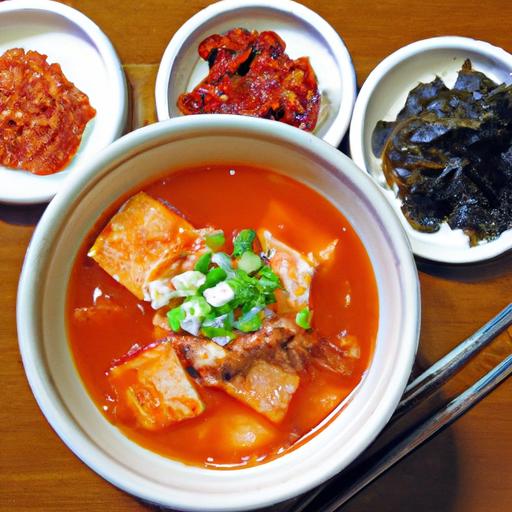
- Serve: Ladle the Sundubu-jjigae into bowls, bringing it directly from the stovetop. Serve hot with a side of kimchi and steamed rice for a complete meal.
Chef’s notes
Tips for Success: When preparing Sundubu-jjigae, always use fresh ingredients, as they greatly enhance the overall flavor. Feel free to switch out vegetables based on what’s seasonal or available in your pantry-carrots, spinach, or even seaweed can be wonderful additions. For those looking to add protein, consider incorporating shrimp or tofu products that fit your dietary preferences.
To make ahead, prepare the broth and sauté the vegetables, then store them separately. When ready to serve, reheat and add the silken tofu, adhering to the cooking instructions from there. This way,you retain the best flavors while saving time!
Serving Suggestions
Presenting Sundubu-jjigae is an art on its own. Serve it hot straight from the pot, allowing the bubbling broth to entice your guests. Garnish with extra chopped green onions for a splash of color and freshness. Consider placing a small dish of kimchi beside it for added complexity, and serve alongside warm bowls of cooked rice to soak up all that wonderful broth.
| nutritional Details | Per Serving |
|---|---|
| Calories | 280 |
| Protein | 14g |
| Carbohydrates | 20g |
| Fat | 15g |
As you dive into the world of Sundubu-jjigae, remember that every bowl tells a story-of culture, community, and shared moments. Here’s to your culinary adventure!
Q&A
Q&A: Savor the Soul: Exploring the Richness of Sundubu-jjigae
Q: What is sundubu-jjigae and what makes it so special?
A: Sundubu-jjigae is a beloved Korean stew that highlights the silky smoothness of uncurdled tofu or sundubu, which translates to “soft tofu.” The dish is renowned for its hearty,warming qualities,marrying the delicate texture of tofu with a robust broth typically enriched with vibrant gochugaru (Korean chili flakes) and other fresh ingredients. This blend creates a delightful depth of flavor that truly sets it apart, making it a comforting favorite for both chilly days and satisfying meals.
Q: What are the customary ingredients used in sundubu-jjigae?
A: A classic sundubu-jjigae brims with fresh ingredients including vegetables like zucchini,mushrooms,and scallions,along with tofu,of course! Frequently enough,a protein such as shrimp,clams,or even egg is added to enhance the dish. The key is in the spicy, savory broth, which may include gochugaru and doenjang (fermented soybean paste), bringing a delightful umami punch to each bite.Q: Is sundubu-jjigae a suitable dish for everyone?
A: Absolutely! While it’s traditionally made with seafood or beef, sundubu-jjigae is incredibly versatile. Those following vegetarian or vegan diets can simply skip animal products and add an abundance of seasonal vegetables or plant-based protein alternatives, allowing the dish to remain rich and satisfying. Just be sure to use vegetable broth as a base for that extra boost of flavor!
Q: What are some popular variations of sundubu-jjigae?
A: The beauty of sundubu-jjigae lies in its adaptability! Some popular variations include seafood sundubu-jjigae, where a medley of shrimp, clams, and mussels creates a delightful ocean-inspired twist. Vegetarians might enjoy a tasty mushroom sundubu-jjigae, where an array of mushrooms take the spotlight, enhancing the robust flavor profile.Each variation embodies its region’s tastes and ingredient availability, allowing for a delightful exploration of flavors.
Q: How is sundubu-jjigae traditionally served?
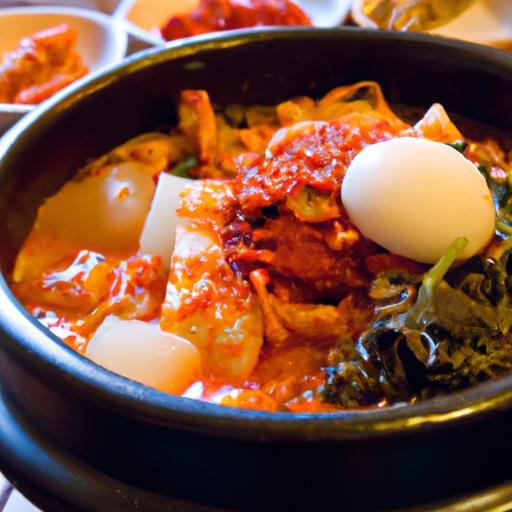
A: Sundubu-jjigae is typically served bubbling hot in a stone pot, ensuring each spoonful remains warm while you savor its robust essence. Accompanying the stew, you might find a bowl of fluffy steamed rice and an assortment of banchan (side dishes), which beautifully complement the stew’s hearty flavors. The combination makes for a fulfilling meal,perfect for sharing with family and friends!
Q: Can you share any tips for making a great sundubu-jjigae at home?
A: Certainly! To create an exceptional sundubu-jjigae,start with high-quality ingredients,particularly the tofu-it must be fresh and soft for that melt-in-your-mouth experience.For the broth, allow the chili flakes to bloom in oil before adding the broth; this step unlocks the full depth of their flavor. Don’t forget to season and adjust the spice level according to your taste-there’s nothing more delightful than a dish that speaks to your palate!
Q: Why do you think sundubu-jjigae resonates so much with people?
A: Sundubu-jjigae resonates deeply due to its comforting nature and its ability to evoke vivid memories of shared meals, warmth, and familial bonds. It’s a dish that encourages togetherness and celebration of flavors-food that nourishes both body and soul. whether enjoyed after a long day or served during a festive gathering, it embodies a unique blend of tradition, flavor, and heart that transcends cultural barriers. Savoring sundubu-jjigae is truly an experience to cherish!
Insights and Conclusions
As we draw the curtains on our culinary journey through the heartwarming world of sundubu-jjigae, it’s clear that this unassuming Korean stew is more than just a dish; it’s a soulful experience that connects us to the rich tapestry of tradition and flavor. Each spoonful tells a story-of wholesome ingredients, of communal dining, and of the gentle warmth that comes from sharing food with loved ones.
From its velvety silken tofu to the symphony of spices that lend depth to each bubbling bowl, sundubu-jjigae embodies the spirit of comfort and connection. It invites us not only to savor its rich flavors but also to appreciate the culture and history that shaped it. Whether enjoyed on a chilly evening or celebrated during a festive gathering,this stew reminds us of the power of food to nourish not just the body,but the spirit as well.
So, the next time you find yourself yearning for a dish that warms you from the inside out, remember the soulful embrace of sundubu-jjigae. Allow its rich flavors and heartening aromas to transport you to a place where food transcends the plate-bringing together communities, evoking memories, and savoring each moment as it unfolds. Bon appétit!