Mastering the Art of Gluten-Free Flour Blends for Optimal Texture
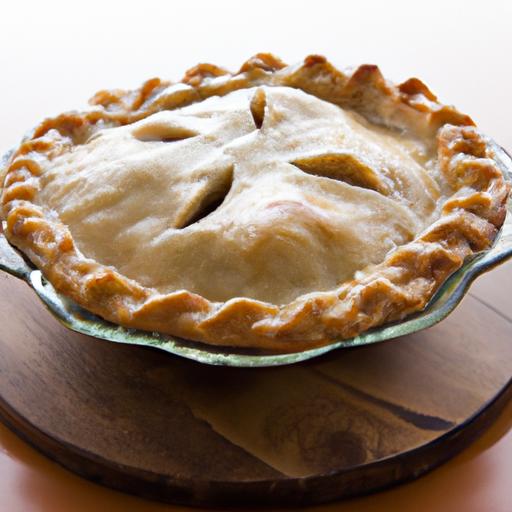
Perfectly flaky gluten-free pie crust is a delightful marvel during baking, and it radiates warm memories of family gatherings and holiday feasts. The foundation of achieving this sublime texture lies in the flour blends you choose.Gluten-free flours behave differently than their traditional counterparts, so mastering the right combination is essential. A blend of almond flour for moisture, coconut flour for lightness, and tapioca flour for structure often yields the best results. Start experimenting with ratios like 2:1:1 to find your personal favorite, ensuring your pie crust captures that sought-after flakiness without compromising on flavor.
Prep and Cook time
Prep Time: 20 minutes
Chill time: 1 hour
Cook Time: 30 minutes
Yield
Serves: 8 slices
Difficulty Level
Medium
ingredients
- 1 cup almond flour
- 1/2 cup coconut flour
- 1/2 cup tapioca flour
- 1 tsp xanthan gum
- 1/4 tsp salt
- 1/2 cup cold unsalted butter, cubed
- 1 egg, beaten
- 2-4 tbsp ice cold water
Instructions
- In a large mixing bowl, combine almond flour, coconut flour, tapioca flour, xanthan gum, and salt. Whisk together until fully blended.
- With a pastry cutter or your fingers, blend in the cold unsalted butter until the mixture resembles coarse crumbs.
- Make a well in the center and add the beaten egg. Gently mix, then gradually add ice cold water one tablespoon at a time, mixing until the dough holds together without being sticky.
- Shape the dough into a disk, wrap it in plastic wrap, and refrigerate for at least 1 hour. This step is crucial for a flaky finish.
- Onc chilled, preheat your oven to 350°F (175°C) and prepare a pie dish.
- Roll out the chilled dough between two sheets of parchment paper until it’s about 1/4 inch thick. If the dough crumbles, use your hands to patch it together in the pie dish.
- Trim any excess dough hanging over the edges, then crimp the edges with a fork or your fingers for a decorative finish.
- Bake in the preheated oven for 30 minutes or until lightly golden. For a blind bake, weigh down with pie weights for the first 15 minutes.
Essential Techniques for Achieving That Flaky Finish
To ensure your pie crust is perfectly flaky, remember that the dough should be cold before rolling out. Keeping your ingredients cold helps inhibit gluten formation, allowing the integrity of the crust to shine. Always consider using a combination of fat, whether butter or coconut oil, as it enhances the texture and adds richness. The goal is to create small pockets of fat within the dough that create steam during baking, yielding that coveted flakiness. Don’t be afraid to adjust the fat content to your taste-adding a tad more can lead to a more tender crust.
Flavorful Additions: Enhancing Your Pie Crust with unique Ingredients
Personalize your perfectly flaky gluten-free pie crust by incorporating unique flavor enhancers.A tablespoon of sugar adds a slight sweetness, perfect for dessert pies. For savory variants, consider adding herbs like rosemary or thyme into the dry ingredients. A sprinkle of cinnamon can work wonders for apple pie crusts,adding depth without overwhelming the fruity notes. Experiment with spices and zests that reflect the filling to discover delightful new dimensions.
Rolling, Crimping, and Baking: Tips for the Perfect Crust Every Time
When rolling out your dough, use a well-floured surface to prevent sticking. If the dough cracks, don’t fret! Simply patch it up with your fingers-perfection is not the goal, deliciousness is. For crimping, be creative; fork-tines can create lovely impressions, adding rustic charm to your crust. After baking, let it cool slightly before filling. You’ll want a warm crust to complement its rich texture while it patiently awaits its delicious filling.
chef’s Notes
Here are some tips for success with your crust:
- If the dough seems too dry, add more ice cold water, a teaspoon at a time.
- Try adding some ground chia seeds or flaxseed meal for added nutritional content.
- This dough can be made ahead and frozen for up to a month; just thaw in the refrigerator before use.
- If your crust shrinks during baking, it may have been rolled out too thin or not enough chilling time.
Serving Suggestions
Once your crust has baked to golden perfection, fill it with your favorite fillings. For an elegant touch, serve your pie warm with a scoop of vanilla ice cream and a drizzle of caramel sauce. Garnish with fresh herbs or a sprinkle of nutmeg for added flair. The warmth of the pie paired with the cold ice cream creates a satisfying contrast that will impress any guest at the table.
| Nutritional Details (per slice) | Calories | Protein | Carbohydrates | Fat |
|---|---|---|---|---|
| Gluten-Free Pie Crust | 220 | 4g | 18g | 16g |
Q&A
Q: What makes a pie crust “perfectly flaky”?
A: A perfectly flaky pie crust is achieved through the right balance of fat, flour, and technique. The key lies in using cold fat, whether it’s butter, coconut oil, or shortening, and incorporating it into the flour until the mixture resembles coarse crumbs. The small bits of fat create pockets in the dough, which produce that delightful flakiness once baked.
Q: can I really achieve a gluten-free pie crust that is as flaky as traditional ones?
A: Absolutely! With the right gluten-free flour blend and techniques,you can create a crust that rivals traditional pie crusts. Look for blends that contain a mix of flours,like almond flour or oat flour,combined with a starch (such as tapioca or potato starch) to mimic the texture of wheat flour.
Q: What gluten-free flours work best for pie crusts?
A: A combination of gluten-free flours often yields the best result. Consider using a blend of almond flour for richness,oat flour for structure,and a starch (like tapioca or arrowroot) for that essential lightness. Pre-made gluten-free flour blends can also work well – just make sure they contain xanthan gum or add it separately to help with binding.
Q: What is the ideal fat to use for a flaky crust?
A: While butter is a favorite for its rich flavor, options like coconut oil or vegetable shortening can also produce excellent results. Be sure to keep your fat cold and even place it in the freezer for a few minutes before using. This step ensures it doesn’t fully combine with the flour, allowing for those lovely flaky layers.
Q: Do I need to chill the dough before rolling it out?
A: Yes, chilling the dough is crucial! Once you’ve mixed your ingredients, wrap the dough in plastic wrap and chill it in the refrigerator for at least 30 minutes. This step helps the fats solidify and the flours hydrate, allowing for easier rolling and a better texture in the final bake.
Q: How can I prevent my gluten-free pie crust from shrinking during baking?
A: Preventing shrinkage comes down to two main factors: the right chilling time and proper handling of the dough. Avoid overworking the dough which can build gluten, even in gluten-free options. Additionally, use a pie shield or aluminum foil to protect the edges from over-browning while the pie bakes, which can indirectly influence how the crust contracts during the process.
Q: What are some creative fillings that work well with gluten-free pie crusts?
A: The beauty of a gluten-free pie crust is that it’s versatile! Sweet options include classic fruit fillings like apple or berry, custard-style fillings, or even chocolate ganache. For savory pies, consider hearty vegetable mixtures, quiches, or even chickpea-based fillings. The sky’s the limit!
Q: How do I know when my pie crust is perfectly baked?
A: A perfectly baked pie crust should be golden brown and slightly firm to the touch. Keep an eye on the edges, as they tend to brown faster. If the edges start to darken before the middle is done, use a pie shield to protect them while allowing the rest to finish baking.
Q: Can I make this pie crust ahead of time?
A: Yes, absolutely! you can prepare the pie crust in advance and either roll it out and place it in a pie dish for baking later, or you can form it into a disc, wrap it tightly, and refrigerate or freeze it. When ready to use, just thaw the frozen crust overnight in the fridge before rolling it out or baking.
Explore your culinary creativity with this perfectly flaky gluten-free pie crust, and enjoy the deliciousness of homemade pies without the gluten! happy baking!
In conclusion
As you embark on your baking adventure with this perfectly flaky gluten-free pie crust, remember that each roll of the dough brings you closer to a delectable creation that everyone can enjoy. Whether it’s filled with sweet fruits or savory delights, this crust is not just a foundation but a party of flavors and textures. Embrace the process, experiment with different fillings, and don’t shy away from personal touches; after all, the beauty of gluten-free baking lies in its versatility.
So, preheat that oven, gather your ingredients, and let your culinary creativity shine. With a bit of patience and practice, you’ll whip up a crust that’s not only gluten-free but also bursting with delicious possibilities.Here’s to flaky bakery-worthy pies that can be shared with friends,family,and anyone longing for a slice of goodness. Happy baking!