

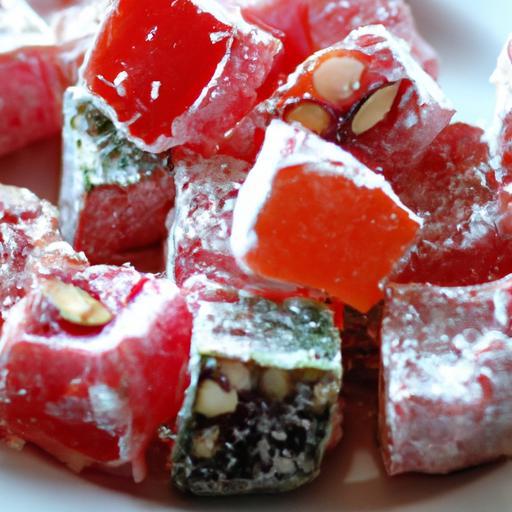
Sweet Indulgence: Crafting Turkish Delight at Home
Imagine stepping into a sunlit bazaar, the air fragrant with the scent of exotic spices and the sweet allure of confectionery delights. Among the colorful displays, one treat reigns supreme: Turkish delight, or “lokum,” a chewy, sweet confection that has captivated palates for centuries. This delectable treat, with it’s delicate flavors and velvety texture, tells stories of ancient traditions and regional variations, inviting anyone with a sweet tooth to take a bite of history. While frequently enough purchased from specialty shops, the magic of turkish delight can easily be recreated in your own kitchen. In this article, we will guide you through the art of crafting Turkish delight at home, unveiling the secrets of its rich heritage and providing step-by-step instructions to ensnare your senses. Get ready to embark on a culinary journey that will not only delight your taste buds but also transform your kitchen into a haven of sugary bliss!
Exploring the History and Cultural Significance of Turkish Delight
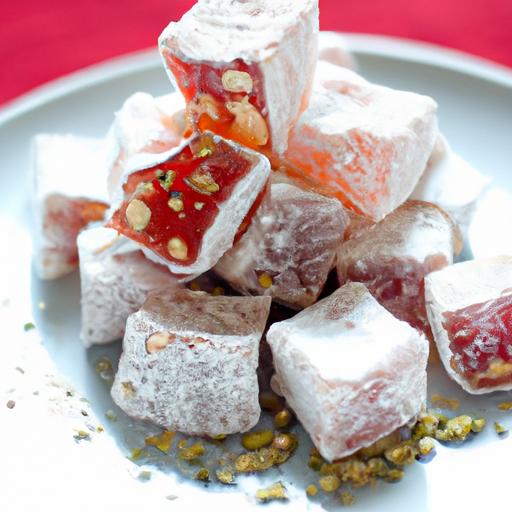
Sweet indulgence is at the heart of many culinary traditions, but few embody this sentiment quite like Turkish delight. With origins tracing back to the Ottoman Empire, this confectionery has been enjoyed for centuries. Traditionally known as *lokum*, Turkish delight was not only a beloved treat but also played a role in social rituals, often offered to guests as a symbol of hospitality. Its delightful texture and flavors have made it a staple in Middle Eastern and Mediterranean cultures, embodying the essence of sweetness in celebration and connection.
Prep and Cook Time
- Prep Time: 20 minutes
- Cook Time: 1 hour
- Cooling Time: 4 hours (or overnight)
Yield
- Makes about 24 pieces
Difficulty Level
- Medium
Essential Ingredients and Tools for the Perfect Homemade Treat
- 1 cup granulated sugar
- 1 cup water
- 1/4 cup lemon juice
- 2 tablespoons cornstarch
- 1 tablespoon unsalted butter
- 1 teaspoon rosewater or orange blossom water (for flavoring)
- powdered sugar, for dusting
- Metal or silicone baking dish, about 8×8 inches
- Medium saucepan
- Wooden spoon
- Whisk
- Thermometer (optional, but useful for accuracy)
Step-by-Step Guide to Crafting Your Own Turkish Delight
- In a medium saucepan, combine 1 cup of water, 1 cup of sugar, and 1/4 cup of lemon juice. Stir over medium heat until the sugar dissolves fully.
- Increase heat and bring the mixture to a boil. if using a thermometer,monitor the temperature until it reaches 240°F (firm ball stage).
- While the syrup is boiling, mix together 2 tablespoons of cornstarch with 1 cup of water in another saucepan. Whisk to create a smooth mixture.
- Once the syrup has reached the desired temperature, slowly pour it into the cornstarch mixture, stirring continuously.
- Reduce the heat and continue to cook for about 30-45 minutes, stirring constantly until the mixture thickens and pulls away from the sides of the pan.
- Once thickened,remove from heat and stir in 1 tablespoon of butter and 1 teaspoon of rosewater (or any desired flavoring).
- Grease your baking dish and pour the mixture into it. Spread it evenly with a spatula.
- Allow it to cool at room temperature for at least 4 hours, or overnight for best results.
- Once set, dust with powdered sugar and cut into desired shapes-cubes or diamonds.
- coat the pieces in additional powdered sugar to prevent sticking.
Flavoring and Variations: Elevating Your Sweet Indulgence
While conventional Turkish delight often features rose or citrus flavors, the variations are endless! Consider adding:
- Chopped nuts such as pistachios or walnuts for texture.
- Cocoa powder or crushed berries for a chocolatey or fruity twist.
- Cooling peppermint extract for a refreshing treat.
- Different food colorings to present visually stunning pieces.
Chef’s Notes or tips for Success
Crafting the perfect Turkish delight is a labour of love,but a few tips can definitely help ensure success:
- Ensure to constantly stir the mixture to prevent it from burning.
- if your Turkish delight doesn’t set properly, try adding more cornstarch next time or reduce the initial water content.
- For an exciting twist, consider layering flavors by creating a flavored layer on the bottom and a different one on top before cutting.
Serving Suggestions
Present your homemade Turkish delight in an elegant dish, perhaps adorned with edible flowers or sprigs of mint. It pairs beautifully with a steaming cup of Turkish coffee or tea. For an authentic touch,serve alongside baklava or othre Middle Eastern sweets. Turkish delight is best enjoyed fresh, but it can be stored in a cool, dry place in an airtight container for a week or more.
| Nutritional Information | Per Serving |
|---|---|
| Calories | 90 |
| Protein | 0g |
| carbohydrates | 23g |
| Fat | 0g |
This sweet indulgence reflects the beautiful cultural tapestry of the regions it originates from, and with this recipe, you can bring a taste of Turkish tradition right into your home. Enjoy your adventure in cooking!
Q&A
Q&A: Sweet Indulgence: Crafting Turkish Delight at Home
Q: What is Turkish delight, and what makes it so special?
A: Turkish delight, or “lokum,” is a classic confectionery with a rich history that dates back centuries. Originating in the Ottoman Empire, this chewy, gelatinous treat comes in various flavors and is often dusted with icing sugar or cornstarch to prevent sticking. Its unique texture and vibrant flavors-ranging from rose and orange blossom to pomegranate-make it a delightful indulgence that captures the essence of Middle eastern desserts.
Q: What basic ingredients do I need to make Turkish delight at home?
A: To make Turkish delight, you’ll need just a few key ingredients: granulated sugar, cornstarch, water, lemon juice, and a flavoring of your choice (like rosewater or citrus zest). Some recipes also include a hint of cream of tartar, which helps stabilize the mixture. The beauty of Turkish delight lies in its versatility, allowing you to add nuts, fruit, or spices for an extra twist!
Q: Is it challenging to make Turkish delight at home?
A: While it may seem intimidating at first, crafting Turkish delight at home can be quite manageable with the right technique and patience. The process involves boiling the sugar and water to create a syrup, then slowly incorporating cornstarch and cooking it until it becomes thick and glossy. Just remember, consistency is key, and the end result is totally worth it!
Q: How can I add different flavors or colors to my Turkish delight?
A: Flavoring your Turkish delight can be as creative as you like! For floral notes, try adding rosewater or orange blossom water. For fruity flavors, consider incorporating fresh citrus zest-like lemon or orange-or pureed fruit for a burst of natural sweetness. You can also experiment with spices, such as cinnamon or cardamom, to give your treat a unique twist. As for colors, natural food dyes or even fruit purees can be used to create vibrant variations.
Q: How do I store homemade Turkish delight, and how long does it last?
A: Once your Turkish delight has set and cooled, it’s best to cut it into bite-sized cubes and dust them with icing sugar or cornstarch to prevent sticking. Store the cubes in an airtight container at room temperature, and they can last up to two weeks. For longer storage, you can refrigerate them, but be mindful that the texture may change slightly. Just be sure to separate layers with parchment paper!
Q: What are some popular ways to enjoy Turkish delight?
A: turkish delight is often enjoyed as a stand-alone treat, perfect for accompanying a cup of tea or coffee. It’s also a fabulous addition to dessert platters, providing a colorful and sweet contrast to other treats. For a fun twist, try pairing it with fresh fruits or using it as a filling in pastries. Some even use it as a sweet garnish for ice cream or yogurt!
Q: Can I make Turkish delight using alternative sweeteners?
A: Absolutely! If you’re looking for alternatives to granulated sugar, you can experiment with natural sweeteners like honey or agave syrup.Though, keep in mind that the texture and cooking times may differ, so it might require some trial and error to achieve that classic chewy consistency. Make sure to adjust your ingredient ratios accordingly!
Q: What are some common mistakes to avoid when making Turkish delight?
A: One common mistake is not cooking the mixture long enough, which can result in a runny texture instead of the desired chewiness.It’s significant to be patient while stirring and boiling until the mixture is thick and pulls away from the sides of the pot.Additionally, ensure that you dust the cut pieces generously with icing sugar or cornstarch to prevent sticking, and keep an eye on the cooking temperature to avoid burning.
With these tips and tricks, you’ll be well on your way to creating your very own batch of delicious Turkish delight. Enjoy the journey as you blend flavors and textures,crafting a sweet treat that’s not only a delight to the taste buds but also a beautiful centerpiece for any gathering!
Wrapping Up
As we conclude this delicious journey into the art of crafting Turkish Delight at home,we hope you’re inspired to roll up your sleeves and dive into this sweet adventure. The enticing aroma of simmering sugar, the playful tug of a perfectly gelatinous bite, and the endless possibilities of flavors and textures await you in your kitchen.
whether you choose to create the traditional rosewater variant, infuse it with zesty citrus, or experiment with nutty additions, each piece of Turkish Delight is a testament to your creativity and passion. This timeless treat not only tantalizes the taste buds but also carries the rich tapestry of culture and history, inviting you to connect with the heart of Turkish culinary traditions.
So, gather your ingredients, unleash your imagination, and let the magic of Turkish delight transform your home into a haven of sweetness. Remember, the joy of this confection lies not just in its delightful flavor but in the moments shared with those you choose to indulge with. Happy crafting, and may each piece bring a little bit of joy to your day!