
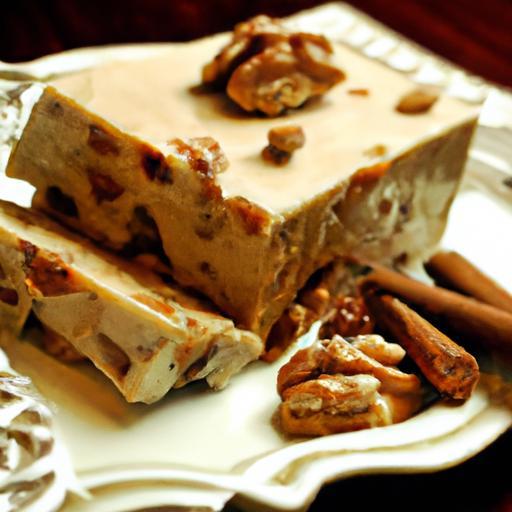
Exploring Walnut Halva: A Sweet Delight from Ancient Times
Imagine a treat so timeless that it has journeyed thru millennia, nourishing both the body and the soul with its rich, sweet embrace. walnut halva, a delectable confection with roots deeply entwined in the ancient histories of the mediterranean and Middle Eastern cultures, is more then just a dessert-it’s a symbol of culinary tradition and cultural exchange.With a delightful blend of crushed walnuts, sesame paste, and sugar, this sumptuous sweet offers a unique taste experience that captivates the senses. In this article, we invite you to embark on a flavorful journey through the origins, variations, and cultural significance of walnut halva, celebrating a delightful dish that has enchanted palates across generations. Prepare to indulge in the stories and recipes that elevate this ancient sweet to its rightful place in the modern culinary world,reminding us that some treasures are truly timeless.
The Rich History and Cultural Significance of Walnut Halva
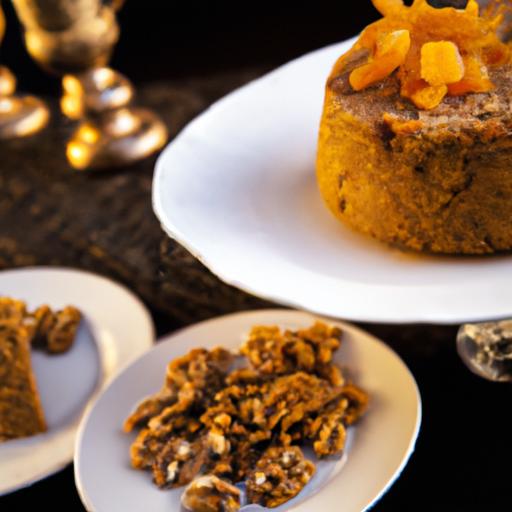
Walnut halva is more than just a sweet treat; it carries a rich tapestry of history that dates back to ancient times. Originating in Persia and spreading through the Middle East and Eastern Europe, this popular dessert boasts a cultural significance that is celebrated across diverse communities.Often made for special occasions and religious ceremonies,walnut halva is traditionally crafted from the finest ground nuts and sweeteners,creating a delightful blend that echoes the wrestling of time and traditions. Each region has its unique twist, from the addition of spices to the variations in sweetness, further enriching the halva’s narrative.
Crafting Walnut Halva: Traditional Techniques and Modern Twists
Crafting this confection is an art that blends time-honored techniques with creative innovation. From the distinct aroma of roasted walnuts being ground to a silky paste to the careful cooking of sugar syrup, each step plays a crucial role in developing its texture and flavor profile. while traditional recipes call for simple ingredients, contemporary versions often incorporate honey or organic sweeteners, enhancing the depth without compromising the essence of this treasured treat.
Whether you are preparing it for a family gathering, a festive occasion, or simply indulging in a delightful homemade snack, walnut halva is a canvas for creativity in your kitchen.
Prep and Cook Time
- Prep Time: 15 minutes
- Cook Time: 30 minutes
yield
- servings: 12 pieces
Difficulty Level
- Medium
ingredients
- 1 cup walnuts, finely chopped
- 1 cup granulated sugar
- 1/2 cup water
- 1/4 cup unsweetened cocoa powder (optional for chocolate flavor)
- 1/4 teaspoon salt
- 1 teaspoon vanilla extract
- 1 tablespoon lemon juice (to prevent crystallization)
- 2 tablespoons butter or coconut oil (for a vegan option)
- Extra chopped walnuts for garnish
Instructions
- In a medium saucepan, combine water, sugar, and salt. Cook over medium heat, stirring until the sugar has dissolved.
- Bring the mixture to a boil and allow it to cook without stirring for about 10 minutes, or until it reaches a soft ball stage (235°F/112°C on a candy thermometer).
- Remove from heat and stir in butter, vanilla extract, lemon juice, and optional cocoa powder.
- Add the finely chopped walnuts and mix well until fully incorporated.
- Pour the mixture into a greased square pan,spreading it evenly.
- Allow it to cool slightly before garnishing with extra chopped walnuts, pressing them gently into the surface.
- Let it set at room temperature for about 2-3 hours, or refrigerate for quicker cooling.
- Once set, cut into small squares and serve!
Chef’s Notes
Tips for Success: To achieve a smoother texture, ensure that the walnuts are finely ground but not turned into butter. If using a food processor,pulse just until coarsely chopped. You can experiment with adding spices such as cinnamon or cardamom for warmth. If you want a more health-conscious twist, replace sugar with natural sweeteners like agave syrup or maple syrup, adjusting liquid content accordingly. Walnut halva can be stored in the fridge for up to two weeks, even though it may never last that long!
Health Benefits of Walnut Halva: A Sweet Treat with Nutritional Value
Not only does walnut halva satisfy your sweet tooth, but it also delivers a variety of health benefits. Rich in omega-3 fatty acids, walnuts support heart health, while the protein content aids in muscle building. The use of quality sweeteners can enhance its nutritional profile, making this dessert not just a guilty pleasure but a nourishing indulgence. With its incorporation of wholesome ingredients, walnut halva can be a balanced addition to your diet as a treat that nourishes the body and delights the senses.
Savoring Walnut Halva: Pairing Suggestions and Culinary Inspirations
Pair your homemade walnut halva with a variety of accompaniments. A cup of strong coffee or fragrant Arabic tea complements its sweetness beautifully. For an elegant presentation, consider serving it alongside fresh fruits like sliced pears or figs, which add a refreshing contrast. Explore other Middle Eastern desserts to find complementary flavors that will elevate the culinary experience.You can also sprinkle some sesame seeds on top for an added crunch, or drizzle a touch of honey for a richer taste.
| Nutritional Details (per serving) | Calories | Protein | Carbohydrates | Fat |
|---|---|---|---|---|
| Walnut Halva | 180 | 4g | 12g | 14g |
Incorporating walnut halva into your culinary repertoire not only honors a time-honored tradition but also encourages creativity in the kitchen. With its pleasing textures and delightful flavors, walnut halva has a way of bringing sweet smiles to faces, bridging cultures and generations alike. Embrace the journey of making this delightful confection, and let it sweeten your days!
Q&A
Q: What is walnut halva and what makes it special?
A: Walnut halva is a sweet confection that has captivated taste buds for centuries.It is primarily made from ground walnuts and a sweet base, often derived from tahini (ground sesame seeds) or sugar. Its unique texture-smooth yet slightly grainy-coupled with the rich flavor of walnuts, makes it a delightful treat. What truly sets walnut halva apart is its ancient origins; this dessert has been enjoyed across various cultures for thousands of years, evolving over time while retaining its classic appeal.
Q: Can you share some history about walnut halva?
A: Absolutely! Walnut halva dates back to ancient times, with roots that trace back to Persia and the Middle East. Historical records show that variations of halva were prepared as early as the 2nd century AD. This sweet delight was not only a popular snack but also a well-regarded treat during celebrations and religious festivals. Over centuries, it spread throughout the Mediterranean and beyond, adapting to local tastes and ingredients, leading to the diverse forms of halva we see today.
Q: What are the key ingredients in walnut halva?
A: The essential ingredients in walnut halva include finely ground walnuts, tahini (or a sugar syrup), and sometimes additional flavorings like vanilla or chocolate. The walnuts provide both crunch and a rich, earthy flavor that pairs beautifully with the smoothness of tahini. Sweeteners like honey or sugar play a vital role as well, balancing the nuttiness and enhancing the overall taste.
Q: How is walnut halva traditionally prepared?
A: The traditional planning of walnut halva involves toasting the walnuts to intensify their flavor, then grinding them into a fine paste. This paste is mixed with tahini and sweeteners until the desired consistency is achieved. Once combined, the mixture is poured into a mold and allowed to set, resulting in a sliceable delicacy. Some recipes even call for additional ingredients like spices or dried fruits, making each batch a unique and personal creation.
Q: Is walnut halva healthy?
A: While walnut halva is undeniably a treat, it also carries some health benefits. Walnuts are rich in heart-healthy fats, antioxidants, and essential nutrients, making halva a source of energy and nutrition. However, due to its sugar content, moderation is key! Enjoying walnut halva as an occasional indulgence can add a sweet touch to a balanced diet.
Q: How can I enjoy walnut halva?
A: There are countless ways to enjoy walnut halva! It makes a perfect snack on its own, providing a satisfying sweetness and crunch.You can also serve it as a dessert, paired with fresh fruits or a dollop of yogurt. Crumbled over oatmeal or blended into smoothies, walnut halva can add a delightful twist to your breakfast. for a more decadent treat, consider using it as a filling in pastries or as a topping for ice cream-endless delicious possibilities await!
Q: What are some cultural significances of walnut halva?
A: Walnut halva holds a special place in various cultures, symbolizing hospitality and celebration.In many middle Eastern and Mediterranean countries, it is often served to guests as a token of warmth and generosity. During festive occasions,it signifies unity and joy,making it a staple treat at celebrations like weddings and religious holidays. Sharing walnut halva can create bondings, reinforcing connections among families and communities-one sweet bite at a time!
in Conclusion
As we take our last bite of this sweet journey through the centuries, it becomes clear that walnut halva is more than just a delightful treat; it is a testament to the rich tapestry of culinary history that spans generations and cultures. From its origins in ancient Persia to its cherished status in countless kitchens today,halva has managed to weave its way into the hearts (and stomachs) of many.Each mouthful encapsulates the story of its makers-an ode to resourcefulness, tradition, and the joyous act of sharing good food. As you delve into walnut halva, whether made from a cherished family recipe or the latest artisanal creation, remember that you are not just savoring a delectable dessert; you are partaking in a timeless ritual that connects us all. So, the next time you encounter this sweet delight, savor the flavors and the history behind them, and let walnut halva transport you to a world where gastronomy and culture collide in the most delectable way. Happy indulging!