
Delightful Zalabia: The Irresistible Sweet Fritter Journey
embark on a sweet adventure with zalabia, the golden, spiral-shaped fritters that dance tantalizingly on the tongues of those fortunate enough to encounter them. Hailing from the charming streets of the Middle East and North africa, these delectable treats are more than just a dessert; they are a celebration of culture, tradition, and culinary artistry. With their crisp exterior yielding to a warm, honey-drenched interior, zalabia is a beloved favorite for those seeking both comfort and indulgence. Join us as we explore the irresistible journey of zalabia-from its ancient origins and diverse regional variations to the intricate methods of readiness that elevate these fritters to transformative delights. whether served at festive gatherings or enjoyed as a simple afternoon treat, the allure of zalabia is undeniable, inviting you to take part in a shared experience of joy and sweetness. Ready your appetite and let’s dive into the enchanting world of zalabia-the sweet fritters that promise to make every moment a little more delightful!
The Art of Crafting Zalabia: secrets of the Perfect Fritter
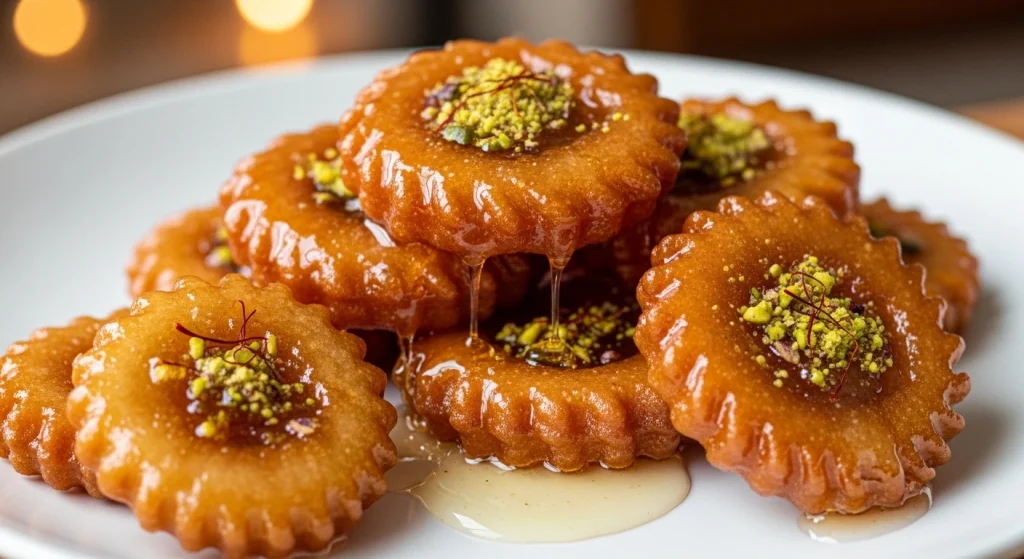
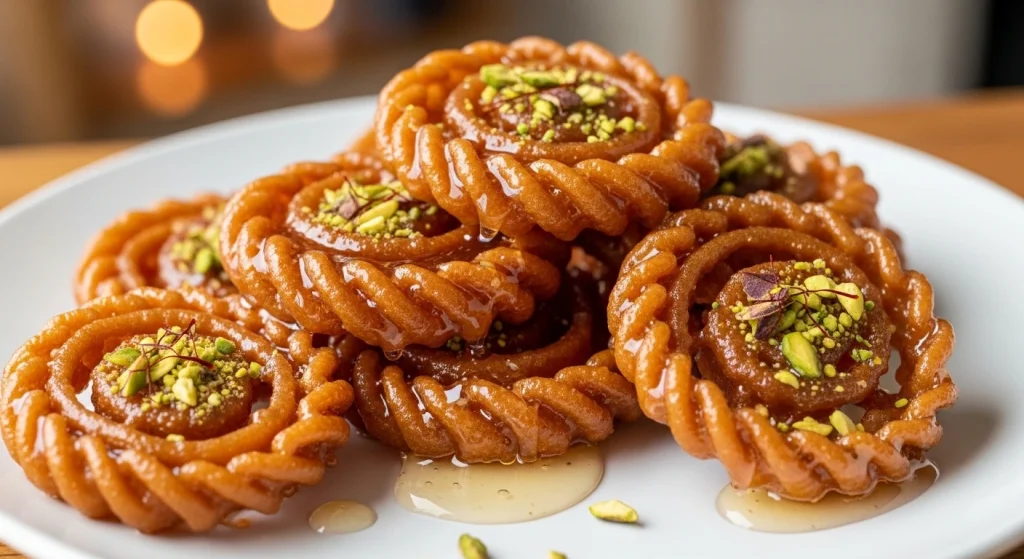
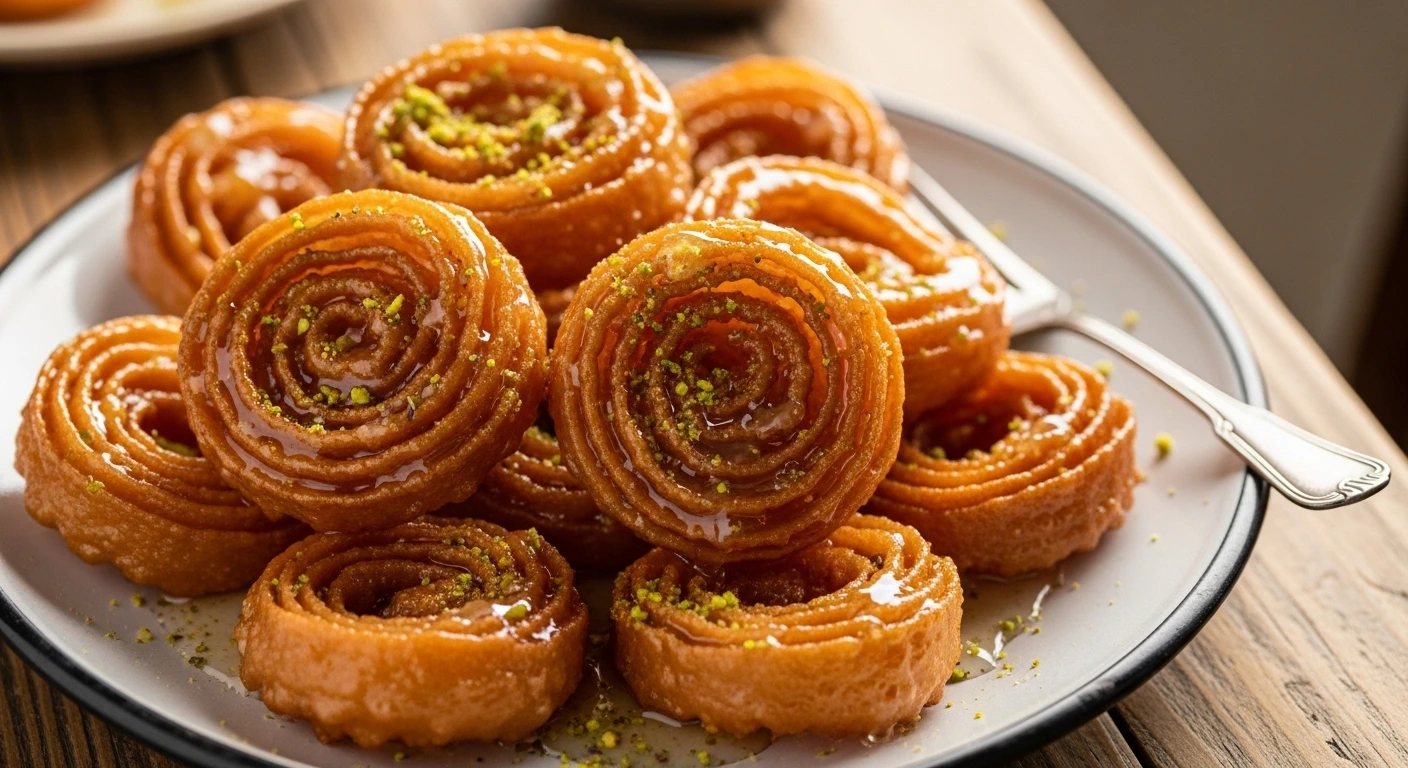
Delightful Zalabia is a cherished sweet fritter that has graced celebrations and everyday gatherings across the globe. Originating from Middle Eastern kitchens, this golden treat is beloved for its crispy exterior and fluffy interior. The beautiful honeycomb shape invites you to indulge while its sweetness warms the soul. Join me on an irresistible journey as we dive into crafting the perfect Zalabia at home, exploring different regional variations, and understanding its cultural meaning.
Prep and Cook Time
Prep Time: 30 minutes
Cook Time: 15 minutes
Total Time: 45 minutes
Yield
Servings: 4-6 people
Difficulty Level
Medium
Ingredients
- 1 cup all-purpose flour, sifted
- 1 cup warm water
- 1 tablespoon active dry yeast
- 1 tablespoon sugar
- ½ teaspoon salt
- ½ teaspoon ground cardamom
- 1 tablespoon baking powder
- Vegetable oil, for frying
- Honey or syrup, for drizzling
- Powdered sugar, for dusting (optional)
Instructions
- Activate the Yeast: In a small bowl, combine warm water, sugar, and yeast. Let it sit for 10 minutes until frothy.
- Mix the Dry Ingredients: In a separate mixing bowl, whisk together flour, salt, ground cardamom, and baking powder.
- Create the Batter: Gradually pour the yeast mixture into the dry ingredients, stirring until a smooth batter forms. The consistency should be similar to pancake batter.
- Let it Rise: Cover the bowl with a clean kitchen towel and let the batter rest in a warm place for 30 minutes, or until it doubles in size.
- Heat the oil: In a deep, heavy-bottomed pot, heat enough vegetable oil to submerge the fritters (about 2 inches deep) over medium heat.
- Shape the Fritters: Using a piping bag with a round tip, or a squeeze bottle, carefully squeeze the batter into the hot oil in spirals or into circular shapes.
- Fry Until Golden: Fry the Zalabia for about 2-3 minutes on each side, or until they turn a rich golden brown. Turn them with a slotted spoon for even cooking.
- Drain and Serve: Remove the fritters with a slotted spoon and place them on paper towels to absorb excess oil. Drizzle with honey or syrup and dust with powdered sugar if desired.
Chef’s Notes: Tips for Success
To enhance your Zalabia experience, consider the following:
- flavor Variations: Experiment with adding a pinch of cinnamon or vanilla extract to the batter for extra flavor.
- Serving Temperature: zalabia tastes best warm, so serve them fresh from the fryer for the ultimate texture.
- Make Ahead: You can prepare the batter in advance. Just store it in the fridge and allow it to come to room temperature before frying.
Savoring Success: tips for Enjoying Zalabia with Pairings and dips
Pleasantly sweet and pillowy, Zalabia pairs wonderfully with a variety of dips and sides:
- Fruit Chutneys: Complement the sweetness with a tangy fruit chutney-apricot or mango work beautifully.
- Yogurt Sauce: A cool, tangy yogurt sauce can balance the sweetness effectively.
- Spiced Syrups: For a twist, drizzle with rosewater or orange blossom syrup for that authentic Arabic touch.
behind the Sweets: Cultural Significance and Traditions Surrounding Zalabia
Across various cultures, Zalabia carries rich significance. In many middle Eastern traditions, it is indeed a staple during festive occasions, symbolizing joy and abundance. Whether served during Ramadan or weddings, these sweet fritters are often surrounded by stories and shared moments. Each bite of Zalabia tells tales of togetherness, making it a beloved treat across diverse communities.
| Nutritional Information | Per Serving |
|---|---|
| Calories | 150 |
| Protein | 3g |
| Carbohydrates | 20g |
| Fat | 7g |
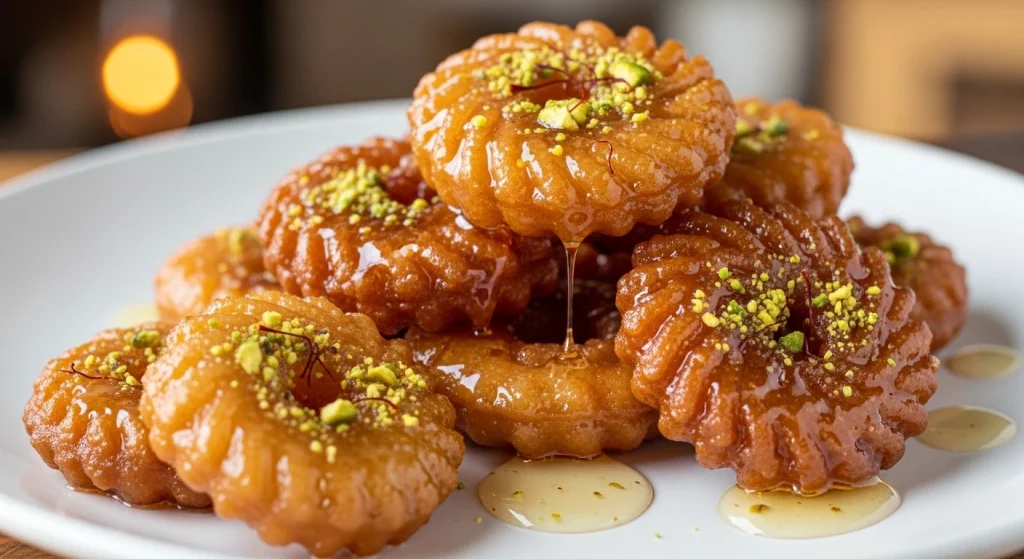
Discover the joy of making delightful Zalabia in your kitchen and share the sweet moments with your loved ones. For more sweet recipes, check out our guide on Middle Eastern Desserts.
For additional insights into the cultural significance of Zalabia, you can explore this extensive article.
Q&A
Q&A: Delightful zalabia – The Irresistible Sweet Fritter Journey
Q1: What exactly is Zalabia?
A1: Zalabia is a delectable deep-fried fritter that boasts a delightful sweetness and a captivating spiral shape. Originating from Middle Eastern and North African cuisines, these treats are made from a simple batter of flour, water, and a hint of yeast or baking powder, giving them that perfect airy texture. Once fried until golden brown, they are traditionally drizzled with honey syrup or dusted with powdered sugar, making them an irresistible indulgence!
Q2: How is Zalabia traditionally prepared?
A2: The journey of preparing zalabia begins with mixing flour, yeast, and water to create a smooth, elastic dough.Once the dough rises, its piped into hot oil in a swirly pattern, allowing it to take on its signature shape.After frying to perfection, these golden delights are then soaked in a fragrant syrup made from sugar, lemon, and flavored with spices like cardamom, infusing every bite with magical sweetness. Each region may have its twist, but the heart of Zalabia remains the same: fresh, fluffy, and utterly delightful!
Q3: What are some popular variations of Zalabia around the world?
A3: Zalabia is celebrated across various cultures, each adding its charm. In Tunisia, you might find it spicy-sweet with flavors of rosewater or orange blossom.In Morocco, Zalabia often takes on a dessert-like status during celebrations, paired with dates or sprinkled with nuts. In Egypt, they often serve them as a street food treat, generously drizzled in syrup and enjoyed alongside a cup of mint tea. Every locale has its specialty, enriching the global tapestry of this beloved confection!
Q4: why do people adore zalabia so much?
A4: There’s something undeniably magical about Zalabia that captures the heart! The crunchy exterior gives way to a soft, airy interior, while the sweetness of the syrup wraps the fritter in an inviting embrace.The sheer joy of biting into a freshly made Zalabia is often tied to cherished memories,community gatherings,and culinary tradition. It’s more than just a snack; it’s an experience that brings people together over shared flavors and joyful moments!
Q5: Can Zalabia be enjoyed in a healthier way?
A5: Absolutely! While traditional Zalabia are deep-fried and sweet, there’s plenty of room for creative adaptations. One popular alternative is baking them instead of frying, creating a lighter, crispier version. You can explore using whole grain flours or experimenting with natural sweeteners like agave or maple syrup. The magic of Zalabia lies in its versatility, allowing you to enjoy them in a way that aligns with your dietary preferences while still relishing their timeless charm!
Q6: What drinks or accompaniments pair well with Zalabia?
A6: zalabia pairs beautifully with beverages that offer a refreshing contrast to their sweetness. Consider serving them alongside traditional mint tea, which complements their rich flavors and cleanses the palate. For a modern twist, a chilled hibiscus lemonade or a fragrant rosewater-infused drink can elevate the experience. these pairings not only enhance the enjoyment of Zalabia but also celebrate the cultural traditions surrounding this delightful treat.
Q7: What’s the best time to enjoy Zalabia?
A7: Zalabia are perfect for any occasion! Whether enjoyed as a delightful breakfast treat, a midday snack, or a festive dessert during celebrations and gatherings, these sweet fritters hold a special place in the hearts of many. Especially during Ramadan, they become a popular indulgence to break fast. Anytime you crave a taste of happiness, Zalabia is the sweet companion you’ve been looking for!
Final Thoughts
As we wrap up our delectable journey thru the world of zalabia, it’s clear that this sweet fritter is more than just a treat-it’s a celebration of culture, tradition, and the simple joys of life. From the sizzling sound of dough hitting hot oil to the tantalizing aroma that fills the air, each bite encapsulates a story of shared moments and festive occasions.
Whether enjoyed at bustling street markets during Ramadan or lovingly made at home to satisfy a sweet craving, zalabia continues to charm taste buds across generations and geographies. Its golden,crispy exterior gives way to a soft,airy inside,all invitingly drizzled with syrup or sprinkled with powdered sugar,making it impossible to resist.
So, the next time you find yourself in the company of these delightful fritters, remember that you’re not just savoring a dessert; you’re partaking in a rich tapestry of culinary history that transcends borders.We hope this article inspires you to try making zalabia in your kitchen or to seek it out in your favorite local bakery. Embrace the joy, share the sweetness, and let each zalabia remind you of the delightful moments that life has to offer. Happy frying!